

Voters Reject Data Center Expansion in Widespread Midterm Ballot Initiatives
Voters across the U.S. overwhelmingly approved ballot measures to restrict data center construction, signaling a shift toward stricter local regulation and…
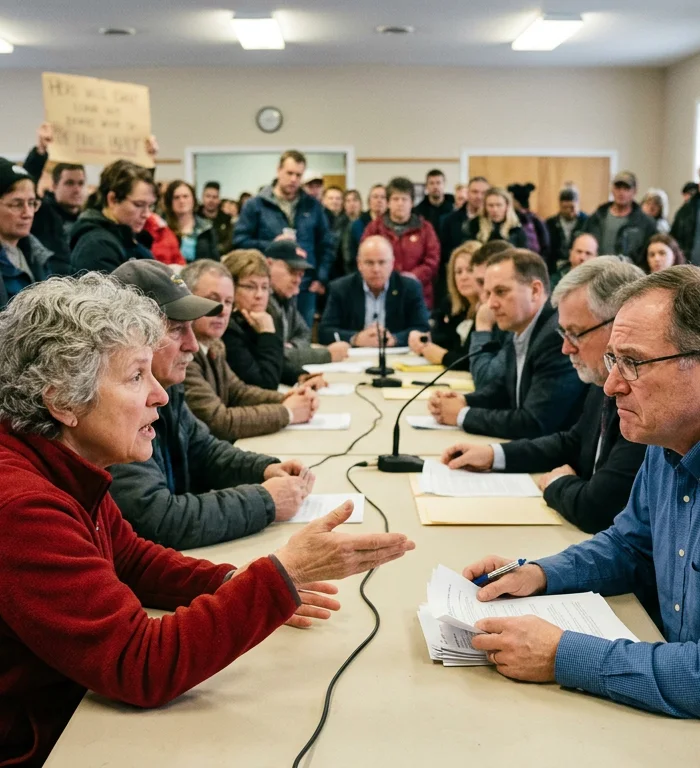
Data center development faces significant regulatory and political headwinds following the 2026 midterm elections. Voters across multiple states approved approximately 40 ballot measures designed to restrict the construction and operation of new data center facilities. These initiatives, which passed in states including Ohio, Maine, Illinois, and California, represent a broad public rejection of the industry's current expansion trajectory.
Legislative efforts to curb data center growth varied by jurisdiction, ranging from the implementation of strict megawatt caps on energy consumption to mandatory voter approval for new projects. In six instances, voters successfully enacted outright bans on new facility construction. Only one ballot measure, located in Harwood, North Dakota, resulted in a favorable outcome for data center expansion.
Public opposition is primarily driven by concerns regarding high electricity costs, intensive water usage, and the broader environmental impact of AI-related infrastructure. These local grievances have increasingly translated into national political rhetoric, with several incoming lawmakers explicitly distancing themselves from the industry during their campaigns. The recall of municipal leaders in Oklahoma and Ohio due to their support for data center projects underscores the political risk now associated with the sector.
Institutional investors and tech firms should anticipate a Institutional investors and tech firms should anticipate a shift in the regulatory landscape as Democratic control of Congress and local legislative bodies increases oversight. The era of substantial tax incentives and public subsidies for data centers appears to be waning. Future projects will likely face heightened requirements to fund local infrastructure, contribute to community resources, and internalize the costs of their energy and water consumption.
Political analysts suggest that the election results reflect a fundamental change in public sentiment that will likely influence future zoning decisions and state-level policy. Local officials are expected to prioritize public favor by delaying or canceling pending projects, potentially forcing companies to renegotiate existing agreements. The industry must now prepare for a more rigorous permitting environment and increased pressure to demonstrate tangible community benefits to secure project approvals.
More stories
- FCC approves prison cellphone jamming despite 2.5-mile warning
- Congress tests Black Democrats' growing policy influence
- Cotton faults Lutnick over AI chips allegedly sent to China
- Vance declines to back Iran strikes as Trump defends war
- Paul seeks 20%-30% federal credit for U.S. film shoots
- Trump targets data centers abroad with tax threat to firms
- Democrats hold Michigan Senate seat with El-Sayed victory
- Democrats face limits on gains as midterm voting arrives
- Trump endorsement reshapes South Carolina Senate race field
- Trump Targets China Over 2020 Vote, Adding Risk to Xi Summit
Latest news
- Trump prepares tariffs on China and other major exporters
- New-car buyers pay record average $50,087 in October
- Banks face ECB reserve debate over liquidity and profits
- Investors see Anthropic debut gains fade below $83 a share
- Iraq orders federal control over Kurdish-area oilfields
- Germans oppose Ukraine aid as poll shows support slipping
- Kim Jong-un receives 10 envoys after constitutional shift
- Ukraine claims Libya strike sinks Russian naval corvette