

U.S. Senate Advances BAAJA to Streamline Infrastructure Permitting
The U.S. Senate has advanced BAAJA, a bill intended to accelerate infrastructure projects by streamlining permitting and reducing legal challenges to address…
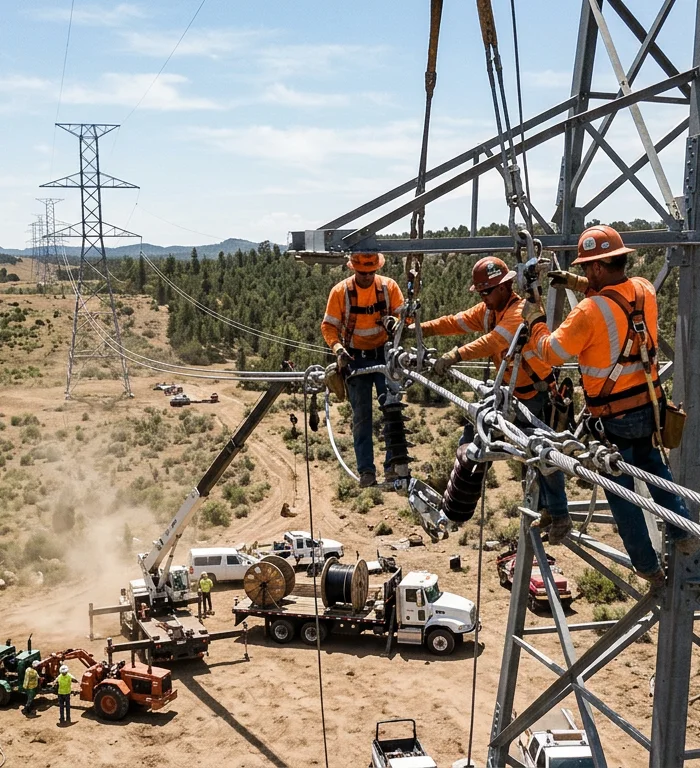
The U.S. Senate has advanced the Bipartisan American Affordability and Jobs Act (BAAJA), a legislative framework designed to accelerate infrastructure development by shortening environmental review timelines and increasing the legal security of issued permits. The act aims to address systemic bottlenecks in the U.S. energy sector, where interconnection queues for generation and storage projects reached approximately 2,600 gigawatts by the end of 2023. This volume represents double the existing capacity of grid, with average project lead times for interconnection increasing from two years to five years over the past several decades.
Institutional support for the legislation is driven by a coalition of oil and gas companies, manufacturers, and labor unions, who argue that current regulatory processes create excessive costs and uncertainty. The Mountain Valley Pipeline serves as a primary case study for these inefficiencies, with project costs escalating from an initial estimate of $3.5 billion to a final completion cost of approximately $8 billion in 2024. Proponents contend that the current "worst of both worlds" scenario—characterized by inconsistent administrative policy and prolonged litigation—discourages capital investment and hinders the deployment of both renewable and fossil fuel energy assets.
Conversely, the legislation faces opposition from environmental and progressive groups, who express concern that the streamlining of reviews may undermine environmental protections and public oversight. The debate highlights a significant shift in the U.S. macro-industrial strategy, where the focus has moved from the initial capital allocation phase of the 2022 Inflation Reduction Act to the operational challenges of physical infrastructure deployment. Policymakers and market participants are now monitoring the legislation as a critical variable in the broader effort to expand power supply, particularly as demand is increasingly influenced by the energy requirements of artificial intelligence and industrial electrification.
More stories
- FCC approves prison cellphone jamming despite 2.5-mile warning
- Congress tests Black Democrats' growing policy influence
- Cotton faults Lutnick over AI chips allegedly sent to China
- Vance declines to back Iran strikes as Trump defends war
- Paul seeks 20%-30% federal credit for U.S. film shoots
- Trump targets data centers abroad with tax threat to firms
- Hegseth says Hasan execution will be open to public view
- Nidal Hasan set to be executed by firing squad after Trump approval
Latest news
- Trump prepares tariffs on China and other major exporters
- New-car buyers pay record average $50,087 in October
- Banks face ECB reserve debate over liquidity and profits
- Investors see Anthropic debut gains fade below $83 a share
- Iraq orders federal control over Kurdish-area oilfields
- Germans oppose Ukraine aid as poll shows support slipping
- Kim Jong-un receives 10 envoys after constitutional shift
- Ukraine claims Libya strike sinks Russian naval corvette