

Supreme Court Permits Border Wall Construction in Big Bend National Park
The Supreme Court has cleared the way for border wall construction in Big Bend National Park, ruling that lower courts lack jurisdiction to block the project.
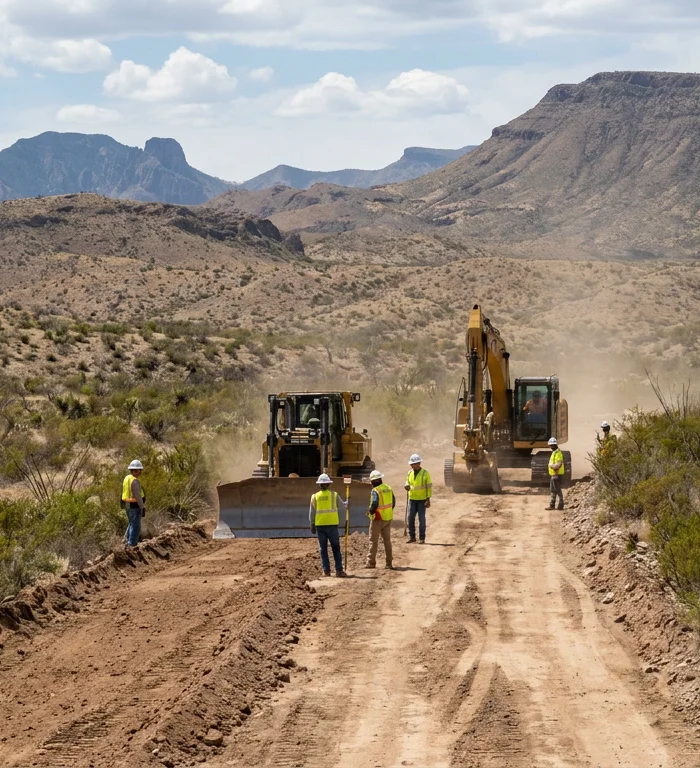
The United States Supreme Court has authorized the resumption of border wall construction within Big Bend National Park in West Texas. The ruling grants an emergency request by the administration to lift a lower court injunction that had previously halted development pending litigation.
The Supreme Court determined that the government is likely to prevail on jurisdictional grounds. The court cited the 1996 Illegal Immigration Reform and Immigrant Responsibility Act, which restricts the authority of district courts to adjudicate challenges against border barrier projects unless they involve specific constitutional claims. The majority concluded that the plaintiffs' arguments did not meet this constitutional threshold.
This decision reverses a lower court ruling that had blocked construction based on concerns regarding the project's environmental impact and the limited efficacy of the barrier in that specific sector. The lower court had noted that the Big Bend sector accounts for a negligible percentage of total migrant apprehensions, questioning the necessity of the project in that location.
The United States Supreme
The administration maintains that the barrier is a critical component of national security and immigration enforcement, characterizing the area as a significant corridor for irregular crossings and illicit trafficking. The project had faced opposition from conservation groups, local landowners, and indigenous representatives who argued that construction would violate environmental protections and disrupt culturally significant landscapes.
Justice Ketanji Brown Jackson was the sole dissenter in the decision, though she provided no written explanation for her position. The ruling effectively bypasses environmental and conservation statutes, including the Endangered Species Act and Environmental Policy Act, through the use of federal waivers. This development sets a precedent for the administration’s ability to expedite infrastructure projects on federal land by limiting judicial oversight.
More stories
- FCC approves prison cellphone jamming despite 2.5-mile warning
- Congress tests Black Democrats' growing policy influence
- Cotton faults Lutnick over AI chips allegedly sent to China
- Vance declines to back Iran strikes as Trump defends war
- Paul seeks 20%-30% federal credit for U.S. film shoots
- Trump targets data centers abroad with tax threat to firms
- Trump staff shake-up puts Miller in Wiles’ White House position
- Stephen Miller succeeds Wiles as White House chief of staff
- Primaries put midterm elections map back in motion this week
- Karoline Leavitt exits White House press role in August
Latest news
- Trump prepares tariffs on China and other major exporters
- New-car buyers pay record average $50,087 in October
- Banks face ECB reserve debate over liquidity and profits
- Investors see Anthropic debut gains fade below $83 a share
- Iraq orders federal control over Kurdish-area oilfields
- Germans oppose Ukraine aid as poll shows support slipping
- Kim Jong-un receives 10 envoys after constitutional shift
- Ukraine claims Libya strike sinks Russian naval corvette