Primaries put midterm elections map back in motion this week
Midterm elections are 78 days away as special elections and primaries set up a House split of 218 Republicans and 214 Democrats.
Lauren Collins ·
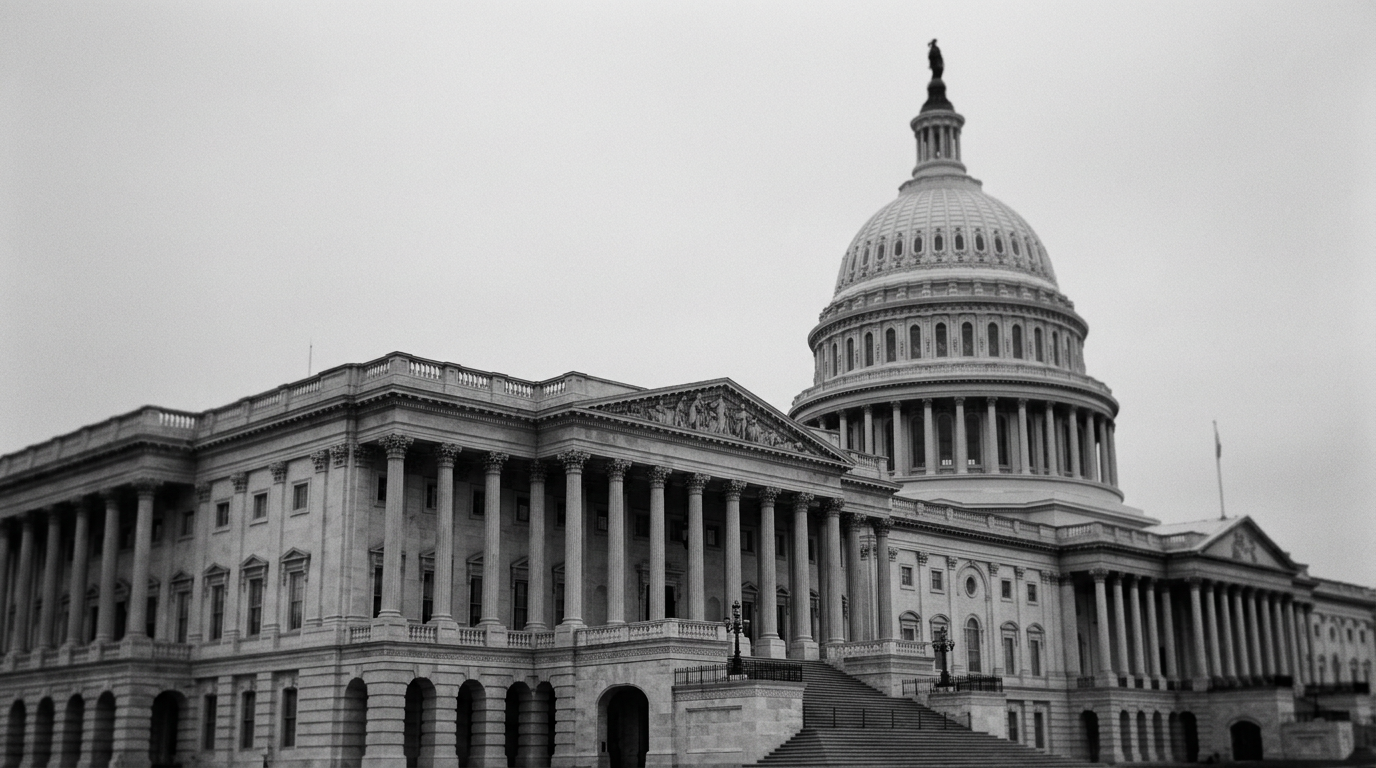
Midterm elections are 78 days away as special elections and primaries set up a House split of 218 Republicans and 214 Democrats.
The House and Senate remain away from Washington on August recess, leaving formal floor action paused while the election calendar keeps moving. For party leaders, the immediate issue is not legislation this week but the House arithmetic they will inherit in September.
House arithmetic narrows in September
Once the next two Democratic members are sworn in, the House is set to stand at 218 Republicans, 214 Democrats, one Independent who caucuses with the GOP and two vacancies. That alignment gives Republican leaders a two-vote margin if every member participates and Democrats oppose them as a bloc.
The margin matters because September is described as a busy month, and small majorities convert routine absences into governing constraints. A two-vote cushion means leadership must manage attendance, intraparty objections and procedural votes with little room for delay.
The two pending Democratic seats are a special election in California’s 14th District to replace former Rep. Eric Swalwell and a Georgia runoff next week to replace the late Rep. David Scott. The calendar describes both races as Democratic wins, which would reduce the number of open seats without changing control of the chamber.
Three primaries reset state ballots
Tuesday brings primaries in Alaska, Florida and Wyoming, adding state-level nomination fights to the national countdown. Those contests come while Congress is out, a reminder that campaigns keep operating even when legislative business slows in August.
The primaries matter less for the current House count than for the map that will face voters in 78 days. Nominees chosen this week will carry party labels into the final stretch, when candidate quality, fundraising and district partisanship begin to matter more directly.
Alaska, Florida and Wyoming also represent different kinds of electoral terrain: a large, unusual at-large state; a fast-growing presidential battleground with many House districts; and a heavily Republican Western state. The source calendar does not provide district-level vote totals or polling, so the article does not assign race ratings beyond the contests named.
Trump stays at White House
President Donald Trump is at the White House today, according to the schedule, while the congressional chambers remain on recess. The split screen is useful for understanding the week: executive visibility continues, while the legislative branch waits for members to return.
Trump is also hosting the "Freedom 250 Grand Prix of Washington," an IndyCar race, this weekend. The event gives the White House a public-facing venue during a week when congressional activity is mostly outside the Capitol.
The schedule does not link the race to a policy announcement, a campaign event or a legislative push. In the absence of that connection, the defensible point is narrower: Trump’s calendar remains active as the midterm clock shortens and Congress stays in recess.
Two seats shape voting room
If the California and Georgia seats are filled as described, Democrats gain two members but remain short of a House majority. Republicans would still control the chamber, though the governing margin would be tight enough to raise the cost of defections.
If Republican leaders keep their conference aligned in September, the House can move party-line measures with little help from Democrats. If even a small group breaks away or members are absent, leadership may need to delay votes, narrow bills or seek cross-party support.
For the broader political sector, the mechanism is straightforward: a narrower House changes leverage before it changes control. Interest groups, committee chairs and vulnerable incumbents all operate differently when one or two members can determine whether a vote reaches the floor or clears it.
The macro effect is indirect but still relevant. If the narrow margin slows fiscal bills or deadline measures in September, investors and agencies would focus on timing and legislative risk rather than on the August recess itself.
The main open question is not who controls the House after these two races; the source calendar keeps that with Republicans. It is whether the September majority can remain functionally unified once the chamber returns and the midterm elections move from countdown to closing stretch.