

Europe faces attribution gap after 16 cyber, physical incidents
DigitalEurope said only three cases were publicly attributed, complicating responses to disruptions that hit food retailers, hospitals, finance and transport.
DigitalEurope mapped 16 cyber and physical incidents across Europe between Oct. 18 and Nov. 18, Euronews reported in an article published Nov. 22.
In the Euronews article published Nov. 22, DigitalEurope said only three incidents had been publicly attributed, compared with seven with no named culprit, complicating government and corporate responses.
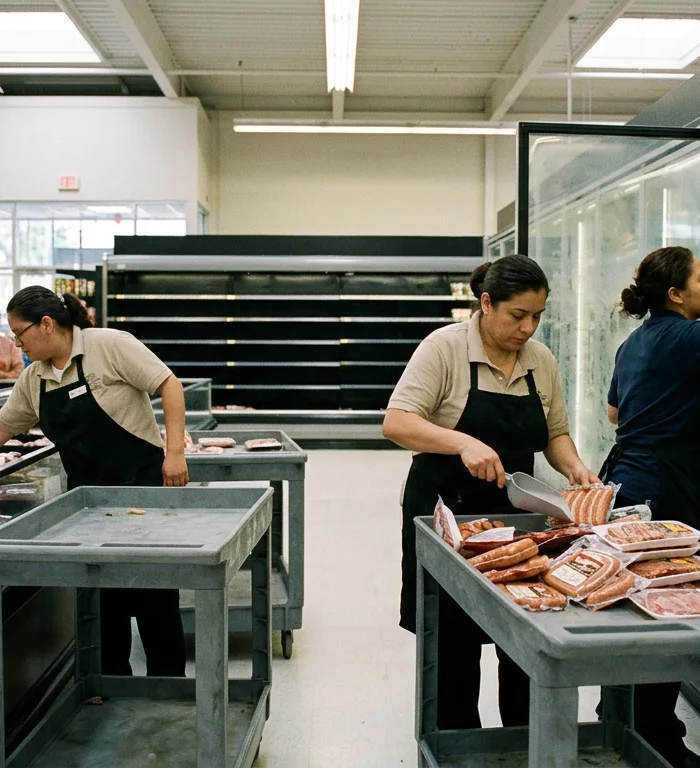
The most visible disruption involved supermarket refrigeration systems on Nov. 2 and Nov. 3. Attackers pushed some equipment into defrost settings and, in some stores, raised controls to 50°C, the article said.
Retailers discarded spoiled meat and frozen products in Germany, Italy, the Netherlands, Belgium, Romania and Sweden. Several blood banks in France were also affected, and the UK reported related attacks.
EU food and agriculture commissioner Christophe Hansen called the refrigeration cases a "deliberate attempt to disrupt our food supply chain". Euronews reported that, nearly three weeks later, no group had taken responsibility and the motive was still unclear.
DigitalEurope, the Brussels-based trade association for Europe’s digital technology industry, counted 11 cyberattacks and five physical incidents. The list included attacks on an energy company in Norway, a district hospital emergency room in Germany, an unnamed EU institution and a tunnel builder operating in Denmark and Germany.
Other cases touched finance, aviation and shipping. About €100 million was taken from a French bank through a supplier, more than 700 fintech customer accounts were exposed in Italy, around 80 aircraft lost GPS over the North Sea, and hoax bomb threats affected more than 35 flights across Europe.
"Resilience is no longer just an IT department job," Cecilia Bonefeld-Dahl, DigitalEurope’s director general, said. "It is security policy and industrial policy."
The refrigeration attacks had warning signs before November. In mid-October, hackers overrode temperatures in at least 350 supermarkets in France, including Carrefour, Monoprix, Intermarché and Coopérative U stores.
France’s cybersecurity agency said the affected units used software from Danish firm Danfoss, as well as Copeland and Dixell systems. Danfoss said many units had reached end of life, lacked security updates or ran outdated firmware.
Forescout, a security firm, found nearly 13,000 refrigeration control services openly reachable online in 99 countries. Euronews reported that many Danfoss AK-SM system managers still used factory-default credentials including "Supervisor" and "12345".
Attribution remains the central uncertainty. DigitalEurope said seven of the 16 incidents had no named culprit, attackers themselves claimed four, investigators suspected an actor in two, and only three were publicly attributed by a government or researchers.
"That is what makes hybrid attacks work: cheap, deniable and hard to pin on anyone," the group said.
Lupovis, a cybersecurity firm, said decoy systems recorded more than 276 attempts by 91 threat actors to probe Danfoss controllers over 10 days, with activity peaking on Oct. 26. Chief Executive Xavier Bellekens said links to bulletproof hosting services, infrastructure designed to resist takedown, did not prove Russian responsibility.
Other specialists were more cautious. Dan Cimpean, director of Romania’s National Cyber Security Directorate, called the refrigeration attacks "semi-amateurish" and said he did not suspect a state actor, while Ken Munro of British firm Pen Test Partners said after the French attack that it could be "kids messing around".
No ransom was demanded, Euronews reported. Belgium, Italy and Estonia described the refrigeration cases as cyberattacks, Sweden and Ireland used the term "cyber incident", and the EU cybersecurity agency ENISA stopped short of calling them attacks.
More stories
- PIF backs Grand Theft Auto as Saudi players embrace game
- Signal limits screenshots to curb AI access to messages
- Cognition runs Devin Mac workspaces on EC2 in 6 AWS regions
- Salesforce engineers cut 600-failure triage to 90 minutes
- Türkiye Desk: GTA 6 puts console access and network demand in focus
- Microsoft plans Project Helix as Xbox console for PC games
- Claude Tag turns Slack channels into shared AI workspaces
- Meta prediction market plans: Zuckerberg backs Arena buildout
Latest news
- FCC approves prison cellphone jamming despite 2.5-mile warning
- Russia strikes Ukraine as Odesa faces electricity strain
- Bahrain reports two injuries after Iranian aerial attacks
- Congress tests Black Democrats' growing policy influence
- Baltic responders fight Sparta II fire after drone strike
- Dietitians advise small swaps for plant-based eating
- Cotton faults Lutnick over AI chips allegedly sent to China
- Young adults overestimate life insurance costs by 10 times