

US Senate Advances $55 Billion Energy Infrastructure and Permitting Reform Bill
The U.S. Senate has advanced a bipartisan energy bill requiring data centers to fund $55 billion in infrastructure, though incoming House leadership…
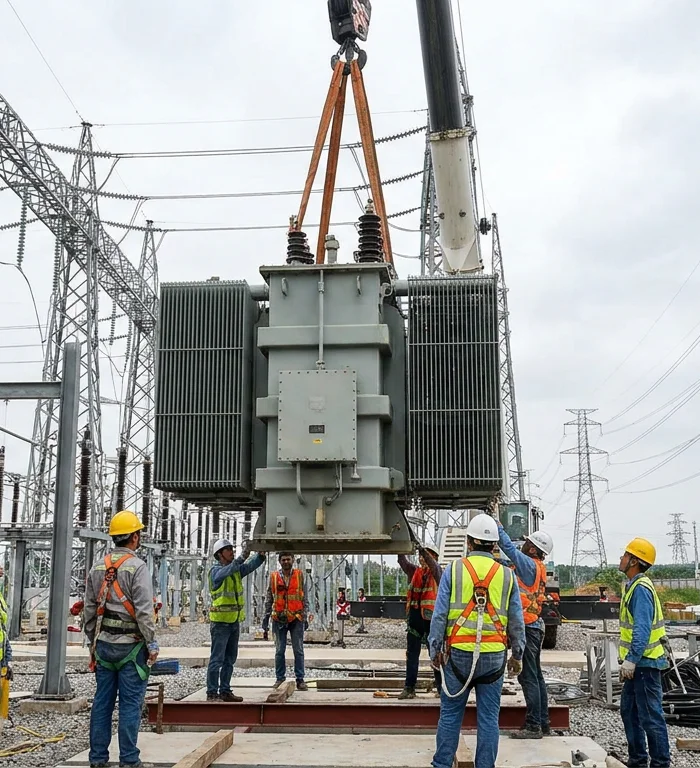
The U.S. Senate has voted 73-25 to advance the Bipartisan American Affordability and Jobs Act, a legislative package designed to accelerate the permitting process for energy infrastructure. The bill mandates that data center operators contribute $55 billion over the next decade to fund grid expansion, addressing concerns regarding the high electricity consumption required for artificial intelligence operations.
Proponents of the legislation, including the current administration, argue that the bill is essential for meeting rising national electricity demand and achieving energy independence. The proposed reforms include shortened deadlines for environmental reviews and new restrictions on the ability of third parties to challenge energy projects in court. Supporters estimate the measure could generate $19 billion in residential electricity savings through 2040.
Environmental organizations have formally opposed the bill, citing concerns that it prioritizes fossil fuel development and weakens existing environmental protections. These groups contend that the legislation limits community oversight and disproportionately impacts lower-income neighborhoods and communities of color. Critics argue that the bill facilitates a rapid expansion of energy projects without sufficient regulatory guardrails.
Despite the bipartisan support in the Senate, the bill faces significant political headwinds. Following recent midterm election results, incoming Democratic leadership in the House of Representatives has signaled resistance to the current version of the legislation. House leadership has indicated that the bill may require further negotiation to align with party priorities regarding clean energy and climate policy before it can proceed to a final vote.
Institutional stakeholders should monitor the potential for legislative delays as the transition to the new Congress approaches. The outcome of this bill will determine the future regulatory landscape for both renewable energy developers and the data center industry, as well as the legal framework for challenging large-scale infrastructure projects.
More stories
- FCC approves prison cellphone jamming despite 2.5-mile warning
- Congress tests Black Democrats' growing policy influence
- Cotton faults Lutnick over AI chips allegedly sent to China
- Vance declines to back Iran strikes as Trump defends war
- Paul seeks 20%-30% federal credit for U.S. film shoots
- Trump targets data centers abroad with tax threat to firms
- Nvidia's Huang gets Trump backing as spy allegations widen
- Trump staff shake-up puts Miller in Wiles’ White House position
- Gavin Newsom vows to stand aside if Harris runs in 2028
- AI regulation fight widens as Trump resists slowdown calls
Latest news
- Trump prepares tariffs on China and other major exporters
- New-car buyers pay record average $50,087 in October
- Banks face ECB reserve debate over liquidity and profits
- Investors see Anthropic debut gains fade below $83 a share
- Iraq orders federal control over Kurdish-area oilfields
- Germans oppose Ukraine aid as poll shows support slipping
- Kim Jong-un receives 10 envoys after constitutional shift
- Ukraine claims Libya strike sinks Russian naval corvette