

Nvidia’s Huang gets Trump backing as spy allegations widen
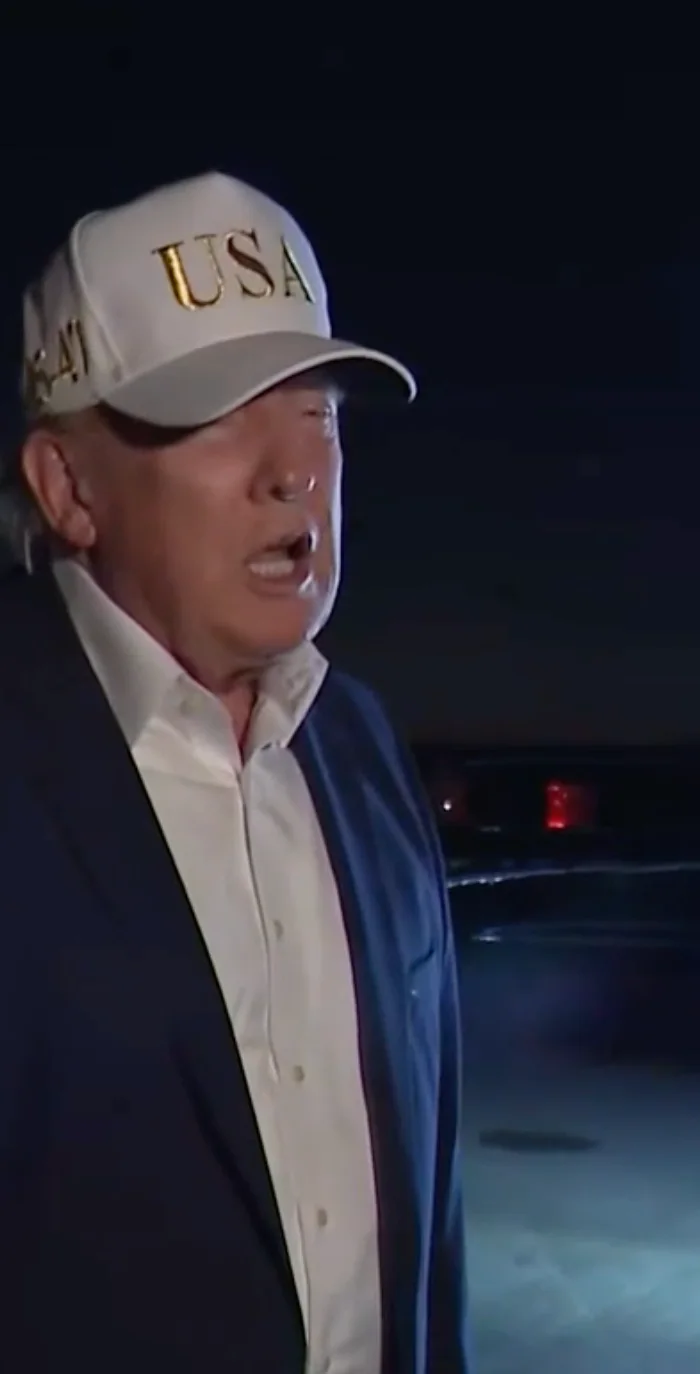
Nvidia came under FBI scrutiny after President Trump said agents were reviewing allegations involving CEO Jensen Huang and a suspected Chinese spy.
The statement adds a federal dimension to an episode already being examined inside the world’s most valuable chipmaker. Nvidia shares ended Monday down more than 4%, compared with Friday’s close, after the board opened an internal investigation on Sunday.
Trump cites FBI review
President Trump said Monday he had spoken with Huang, who told him he did not know the woman was an alleged spy. “I know the FBI is looking into it,” Trump said, adding: “I think that he'll be in good shape.”
Huang has told Nvidia employees that he had been unfaithful to his wife, according to the supplied material, without giving details of the relationship. The board’s inquiry is focused on whether Huang had been targeted by a foreign intelligence effort.
Board scrutiny reaches succession risk
Nvidia said its board has confidence in Huang, who has led the company through the artificial-intelligence spending cycle that made its chips central to data-center expansion. The inquiry has therefore moved beyond personal conduct into governance, succession and the concentration of executive authority.
Huang, 63, is Nvidia’s fifth-largest shareholder with a roughly 3.6% stake, according to LSEG data cited in the material. Unlike Meta Platforms and SpaceX, Nvidia has no dual-class share structure giving its co-founder majority voting control.
The company is also unusually dependent on Huang’s operating role. “Nvidia is not an ordinary company and Jensen is not an ordinary CEO; he is Nvidia, clearly sets the long-term strategy and direction, and pulls most of the company's strings himself,” said Stacy Rasgon, an analyst at Bernstein.
Alice Huang allegations draw denial
The woman has been identified in earlier published reporting as Alice Huang, an unrelated former executive of Singapore-based Megaspeed. That account said US authorities investigated her and concluded she was a Chinese intelligence asset, a claim that has not been independently established in the supplied material.
Chinese Foreign Ministry spokesperson Guo Jiakun rejected the allegation in Beijing. “The so-called Chinese spy narrative is purely a groundless accusation, slander, and a smear,” Guo told reporters.
Megaspeed did not immediately respond to a request for comment on Monday, a public holiday in Singapore. Alice Huang did not respond to the earlier report, and her location could not be determined for a new request for comment, according to the supplied material.
Shareholder suit targets disclosures
Nvidia shareholders sued Huang and the company in a proposed class action on Monday. The complaint accused them of defrauding investors by concealing Huang’s ties with a suspected Chinese spy, an allegation that remains a claim in litigation.
The political channel is also widening. House Democratic leader Hakeem Jeffries said Congress needs more answers and called for passage of an annual defense bill that includes restrictions on chip sales to China.
Huang’s relationship with President Trump had coincided with several favorable policy developments for Nvidia, according to the supplied material. In October, Trump awarded Huang the nation’s highest honor for scientific achievement and disclosed that he had bought up to $1.6 million and sold up to $1 million of Nvidia shares during the summer.
Three paths for Nvidia
If the FBI review and board inquiry close without public enforcement action, the macro effect is likely to stay tied to AI investment demand rather than personal-risk repricing. For Nvidia, that path would keep attention on leadership continuity; for the chip sector, it would limit the episode to governance controls around executives with China exposure.
If investigators or directors find a disclosure or security failure, the mechanism changes. Nvidia could face succession pressure or tighter internal rules, while the broader AI-chip industry could see higher compliance costs and greater scrutiny of executive contacts in sensitive markets.
If Congress responds by tightening China access to AI chips, the issue would move from company governance to trade policy. That route would matter for global technology supply chains, for Nvidia’s sales channels, and for rivals operating under the same export-control framework.
The main open questions are whether the FBI confirms any formal action, what Nvidia’s board inquiry finds, and whether lawmakers attach new China-chip restrictions to the defense bill. Until those answers emerge, the case remains a mix of allegation, governance risk and policy pressure around a company central to the AI trade.
More stories
- Trump staff shake-up puts Miller in Wiles’ White House position
- Stephen Miller succeeds Wiles as White House chief of staff
- Raman wins Los Angeles mayor race as Bass concedes defeat
- 2026 midterms squeeze GOP margins across deep red states
- Democrats win Congress as household costs test new power
- Democrats hold Michigan Senate seat with El-Sayed victory
- Congress faces Supreme Court rulings with control at stake
- US visa revocations exceed 300,000 in Trump's second term
Latest news
- Thailand to lift imported EV tax to 35%
- Singapore faces 400-post Indonesia disinformation push
- Royal Navy expands 10-country drone plan after Russian activity rises 41%
- Woolcott avoids jail over AI-assisted Touchstone takeover fraud
- Rokos loses 4.9% as October setbacks hit major hedge funds
- US Treasury yields expose diverging rate bets in Europe
- Brazil central bank holds Selic at 13.75% as prices rise
- Anthropic IPO seeks $1.4 trillion fully diluted valuation