

Democratic Congressional Gains May Alter US-Ukraine Policy Dynamics
Democratic control of Congress may provide a check on the administration’s Ukraine policy, though the loss of key pro-Ukraine Republicans and potential…
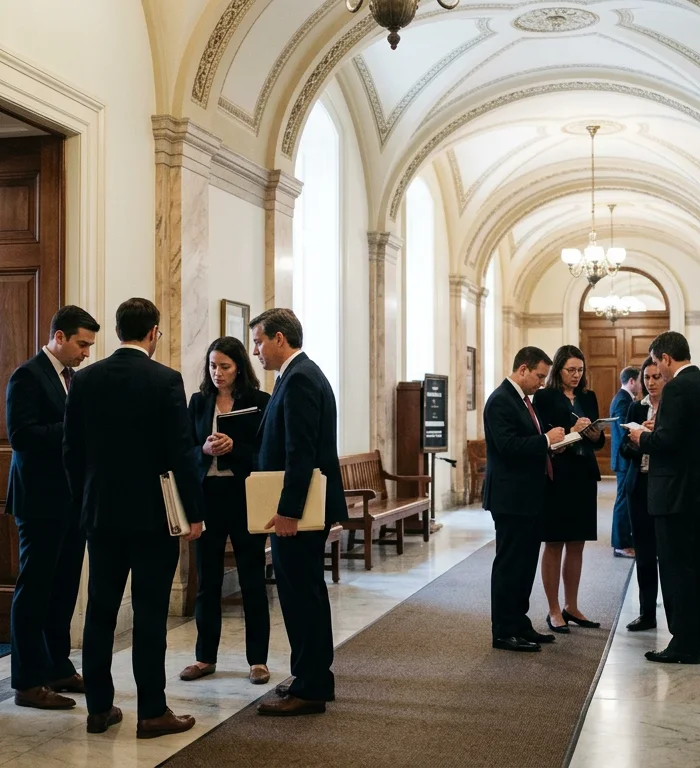
The Democratic Party’s recent success in securing control of both houses of the US Congress is expected to shift the legislative landscape regarding Ukraine. While the executive branch under President Donald Trump has significantly curtailed financial and military assistance since 2025, the incoming Democratic majority has pledged to increase oversight of the administration’s foreign policy and its ties to Russian interests. This shift may provide a mechanism to challenge potential executive efforts to force a rapid peace settlement between Kyiv and Moscow.
Despite these political developments, the outlook for renewed US military aid remains uncertain. US assistance has slowed to approximately $8.2 billion in legacy pipeline deliveries between October 2025 and March 2026, with an additional $13 billion projected for remaining supplies. Although European nations have assumed a larger share of the financial burden—contributing roughly $83 billion in 2025—the reliance on US-manufactured defense technology persists, as nearly one-third of Ukraine’s weaponry originates from American firms.
Legislative support for Ukraine faces internal challenges following the defeat of several key Republican proponents of aid, including members of the Congressional Ukraine Caucus. Furthermore, Kyiv currently lacks a confirmed ambassador to Washington, a vacancy that complicates diplomatic coordination with the new Congress. Analysts warn that if the Democratic-led legislature pursues impeachment proceedings against the President, Ukraine risks being drawn into domestic political volatility, potentially hardening the administration’s stance against the country.
In the interim, the period preceding the January 3 inauguration of the new Congress is viewed as a high-risk window. Observers anticipate that the current administration may intensify pressure on the Ukrainian government to accept a ceasefire or a frozen conflict scenario before the legislative balance of power shifts. The efficacy of future support will likely depend on the ability of the Ukrainian government to maintain bipartisan engagement while navigating the complexities of US domestic investigations.
More stories
- FCC approves prison cellphone jamming despite 2.5-mile warning
- Congress tests Black Democrats' growing policy influence
- Cotton faults Lutnick over AI chips allegedly sent to China
- Vance declines to back Iran strikes as Trump defends war
- Paul seeks 20%-30% federal credit for U.S. film shoots
- Trump targets data centers abroad with tax threat to firms
- Trump staff shake-up puts Miller in Wiles’ White House position
- Stephen Miller succeeds Wiles as White House chief of staff
- Fed rate hike puts Warsh vote talks under fresh scrutiny
- Pentagon Watchdog flags US munitions shortfalls despite Trump denial
Latest news
- Trump prepares tariffs on China and other major exporters
- New-car buyers pay record average $50,087 in October
- Banks face ECB reserve debate over liquidity and profits
- Investors see Anthropic debut gains fade below $83 a share
- Iraq orders federal control over Kurdish-area oilfields
- Germans oppose Ukraine aid as poll shows support slipping
- Kim Jong-un receives 10 envoys after constitutional shift
- Ukraine claims Libya strike sinks Russian naval corvette