

UK joins OceanEye initiative to boost climate and security data
The UK is joining the EU’s OceanEye program to enhance climate forecasting and secure data-sharing networks amid global ocean monitoring concerns.
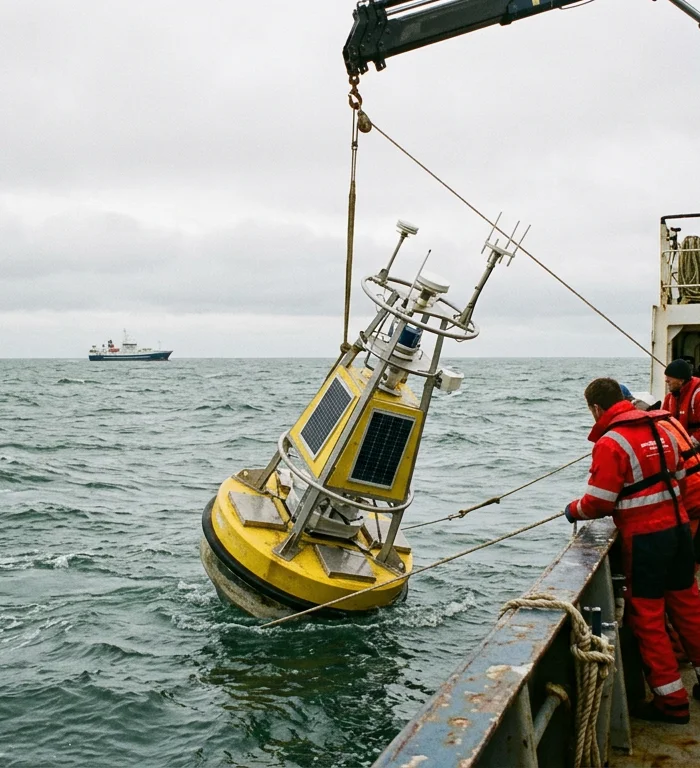
The United Kingdom has committed to joining the EU-led OceanEye initiative, a program designed to develop a real-time digital model of global ocean conditions by 2030. This partnership involves increased data sharing among the UK Met Office, EU agencies, and Canada to enhance the accuracy of extreme weather forecasting and climate modeling.
Bolstering Ocean Observation Systems
This decision follows concerns regarding the stability of the Global Ocean Observing System (GOOS), which has faced potential funding volatility from the United States. By integrating its monitoring infrastructure into this multilateral framework, the UK aims to mitigate risks associated with gaps in deep-ocean and polar data collection, particularly after past threats from the US administration to dismantle its substantial share of global ocean observations.
The EU launched OceanEye in June with a €92 million (£78 million) investment.
OceanEye seeks to create a digital "real-time" replica model of the ocean by 2030, utilizing data collected from satellites, sensors, and other models. This comprehensive approach is intended to support decisions related to ocean protection and security.
Strategic Cooperation and Global Implications
Beyond climate resilience, the initiative serves as a strategic effort to strengthen institutional ties between the UK and the EU. The collaboration is intended to secure critical marine intelligence necessary for managing global trade routes, national security, and environmental protection in an era of increasing meteorological instability.
The United Kingdom
The environment secretary is expected to make the official announcement in New York at a meeting with European Commission President Ursula von der Leyen and Canadian Prime Minister Mark Carney. Britain will share more data from the Met Office and other agencies with the EU and Canada than it has previously.
This partnership is anticipated to bolster Britain's protection against climate change impacts, including floods, droughts, storms, and extreme heat, by maintaining a vital global network of observation systems.
More stories
- Eisenkot secures first coalition deal but lacks majority
- Germans oppose Ukraine aid as poll shows support slipping
- Kim Jong-un receives 10 envoys after constitutional shift
- Ukraine claims Libya strike sinks Russian naval corvette
- COP31 climate talks collapse over fossil fuels and funds
- Russian military faces 1,087 recorded suicides in Ukraine war
- Trump says Iran tensions meeting at UN went well for US
- North Korea sailors rescued, Japan weighs their return
- Kyiv attack kills nine as missile defense pleas grow
- US embassies urge citizens to reconsider Mideast travel
Latest news
- Trump prepares tariffs on China and other major exporters
- New-car buyers pay record average $50,087 in October
- Banks face ECB reserve debate over liquidity and profits
- Investors see Anthropic debut gains fade below $83 a share
- Iraq orders federal control over Kurdish-area oilfields
- Nvidia shares retreat as AI rally cools before PCE data