US embassies urge citizens to reconsider Mideast travel
US embassies in Middle Eastern capitals urged Americans to avoid regional travel or prepare to leave, citing escalation risks tied to Iran.
Omar Farouk ·
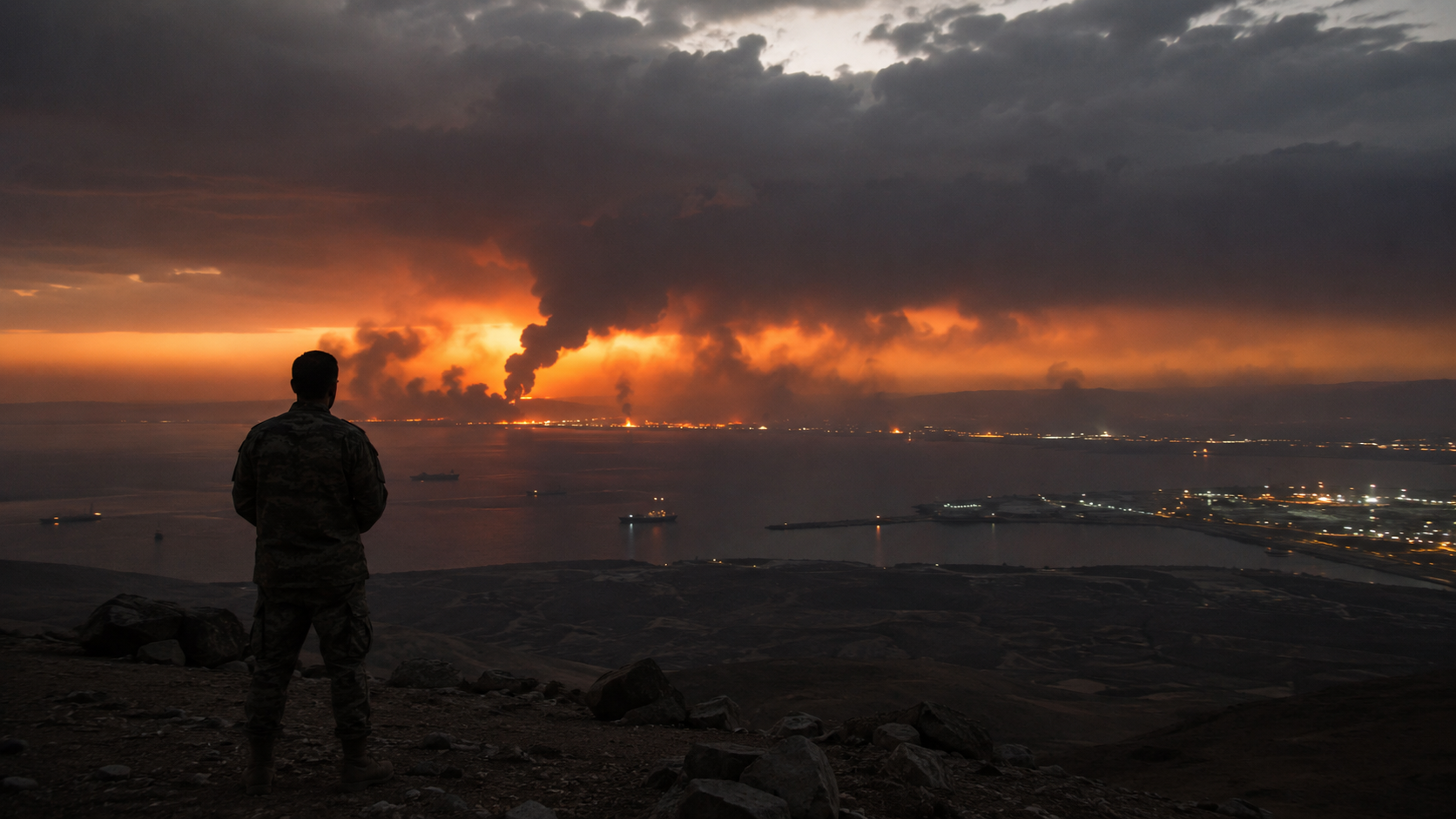
US embassies in Middle Eastern capitals urged Americans to avoid regional travel or prepare to leave as tensions with Iran raise escalation risks.
The advisories were posted by U.S. diplomatic missions in Jerusalem and other capitals across the region, with embassies from Cairo eastward publishing identical language on their websites. The notices said the missions remained open for routine U.S. citizen and visa services, signaling a warning rather than a suspension of normal consular operations.
Identical warnings across capitals
The core message was blunt: Americans already in the region should consider leaving or be ready to do so if conditions worsen. The embassies also advised Americans outside the Middle East to seriously rethink trips to or through the area.
The notices cited a “complex” security environment and warned of the “potential for unforeseen escalation.” They added that travel could be disrupted by the tension, and told travelers to follow updates on airport and airline operations before making plans.
The language matters because embassy travel messaging often becomes the practical guide for families, companies, universities and tour operators deciding whether to delay or cancel regional movement. Even without closing services, the U.S. missions are telling citizens to treat mobility as fragile.
Iran framing drives the alert
The advisories placed the warning squarely in the context of the conflict with Iran. They described the Iranian regime as “unpredictable” and accused it of recent decisions to attack regional areas “without warning or provocations.”
The notices also said attacks had expanded to areas not previously targeted, including Egypt. That claim was presented by the embassies as part of their security assessment; the advisories did not provide operational details in the text provided.
The immediate effect falls on U.S. citizens in the Middle East, especially those who may rely on commercial flights if the situation changes quickly. The warning also affects travelers transiting regional airports, because even short connections can become exposed if carriers adjust schedules or airports restrict operations.
Airlines and consulates face pressure
For airlines and airports, the advisory adds another layer of uncertainty to route planning, passenger demand and customer communication. The notices did not identify any specific airline suspension, but they told travelers to monitor airline and airport information, a sign that disruption risk is central to the warning.
For U.S. embassies, the operating challenge is different. Missions are staying open for routine services while also preparing citizens for a possible shift toward urgent departure support if the security environment deteriorates.
If tensions ease and transport networks keep operating, the macro effect would probably stay concentrated in travel behavior rather than broader regional commerce. In that path, the U.S. diplomatic network would continue routine services, while airlines, hotels and tour operators would manage cancellations and rebookings without a wider shutdown.
If escalation spreads or air links are disrupted, the effect would move faster through three channels: higher uncertainty for regional business travel, heavier consular demand for the U.S. missions, and sharper operational pressure on aviation, tourism and security-service providers. If the warnings broaden further, companies with staff in the region may tighten movement rules, and global markets could become more sensitive to any disruption touching transport corridors or energy-linked risk.