Trump Iran strikes could begin within days, officials say
Trump Iran strikes could start within days, raising pressure on Tehran after talks stalled and troops in Jordan were attacked.
Lauren Collins ·
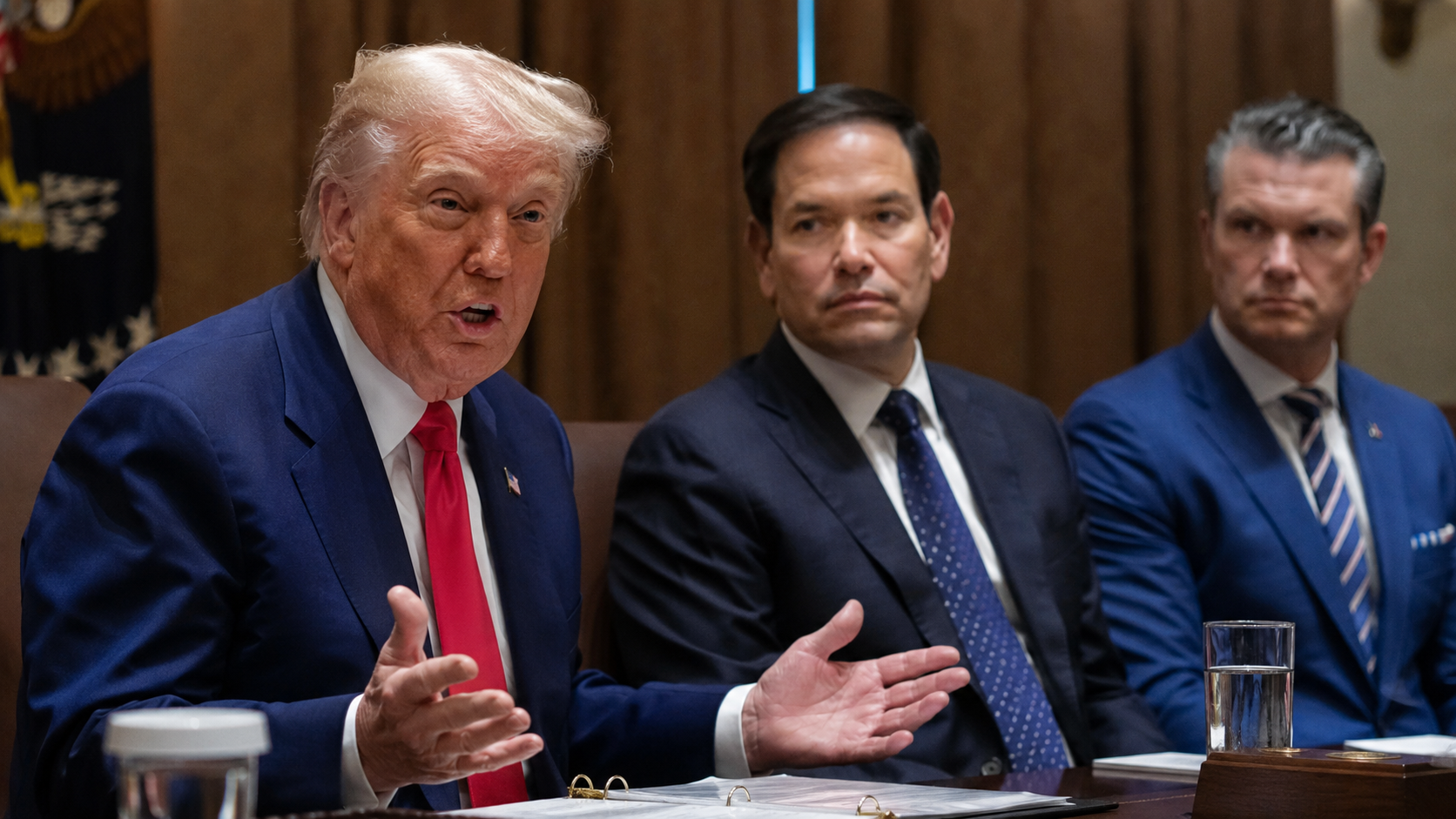
Trump Iran strikes could start within days after President Trump ordered a new operation to pressure Tehran toward surrender.
Weekend timetable narrows
U.S. officials said the planned attack may begin over the weekend and run for several days. The order marks a sharp turn from the pause in military operations that President Trump linked earlier this week to what he called “very friendly negotiations” with Tehran.
The stated aim is direct: force Iran’s leadership toward surrender rather than extend the current diplomatic track. The account of the order did not identify the targets, the military assets involved, or the legal basis for the operation.
Cabinet remarks showed the turn
President Trump aired his frustration during a Cabinet meeting attended by Secretary of State Marco Rubio and Defense Secretary Pete Hegseth. He said earlier that if the United States struck Iran with enough force, the hard-line regime would eventually “peter out.”
Those remarks put the administration’s public posture closer to coercion than negotiation. Rubio’s presence tied the decision to diplomacy, while Hegseth’s role placed the Pentagon at the center of any execution plan.
Jordan attack reset the calculus
The latest shift followed Iran’s surprise attack on troops in Jordan, which triggered a U.S. retaliatory strike. That sequence narrowed the room for the pause President Trump had described and raised the risk that each response becomes a trigger for the next one.
For Tehran, the immediate pressure is military and political. If the U.S. operation is limited to several days and Tehran does not respond broadly, the conflict could return to a tense bargaining phase, with Iran weighing whether resistance or a renewed channel offers the better route to survival.
For the White House, the risk is that a short campaign fails to produce a clear concession. If Iran absorbs the attack and continues hostile actions, President Trump would face a choice between escalating further, extending strikes beyond the initial window, or reopening talks without the surrender he sought.
Shipping adds a second front
Commercial shipping is also part of the pressure map. The source material cited rising attacks on commercial vessels, making maritime security a separate channel through which the confrontation can affect trade confidence, insurance costs, and company routing decisions.
The companies most exposed are not named in the account, but the mechanism is clear. If ship operators perceive a higher threat to crews or cargo, they can delay voyages, reroute vessels, or demand higher compensation for risk, even before governments announce new measures.
Three paths for escalation
If the planned strikes stay brief and Iran limits its response, the macro effect would likely be contained to risk premiums rather than a broad shock. The White House could claim coercive pressure worked, while defense and shipping sectors would still price in a higher chance of repeat disruptions.
If Iran retaliates against U.S. forces or commercial ships, the global channel becomes trade anxiety and security spending. President Trump would face pressure to widen the campaign, and the broader defense, energy transport, and marine insurance sectors would confront a more expensive operating environment.
If diplomacy reopens after the strike window, the macro effect would depend on whether markets and governments believe the pause is durable. For the White House, that would test whether force can create negotiating leverage; for the wider region, the open question is whether Tehran treats the attack as a warning or the start of a longer confrontation.