Pakistan mine explosion kills 32 in Balochistan coal pit
Pakistan mine explosion in Balochistan killed at least 32 miners, with officials suspecting methane and rescue teams still retrieving bodies.
Lauren Collins ·
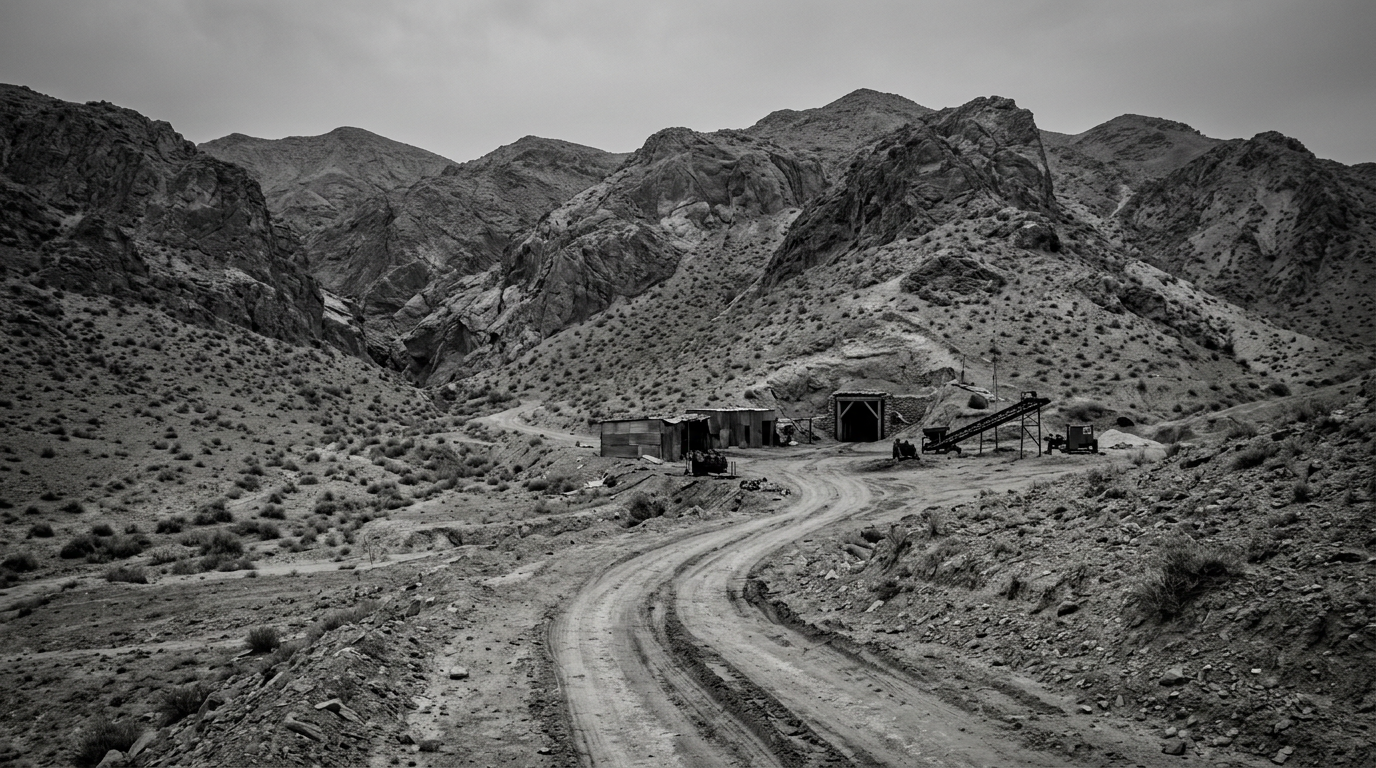
Pakistan mine explosion in Balochistan killed at least 32 workers, officials said, with methane suspected and recovery teams retrieving bodies. The blast hit a coal mine Thursday in Sorange, a remote area near Quetta, the provincial capital.
A Provincial Disaster Management Authority official said early Friday that 29 bodies had been brought out and three more had been found underground. Emergency workers were still trying to recover those bodies more than 12 hours after the incident, while officials said the chance of survivors was very low.
Muhammad Atif, Balochistan’s chief inspector of mines, said 36 miners were inside when the explosion occurred. Based on the figures released by officials, four workers were not fully accounted for in the publicly disclosed casualty count.
Methane focus shapes inquiry
Officials said the explosion was likely linked to a buildup of methane gas, a hazard that can turn an underground coal site into a confined ignition chamber. They did not release a final technical report, leaving the precise trigger, ventilation conditions and safety systems still unconfirmed.
Abdul Ghani Baloch, a senior government mining official in the region, said two nearby mines were damaged by the force of the blast. That detail broadens the recovery challenge because responders are dealing not only with casualties but also with unstable mine structures close to the original site.
Sorange location complicates recovery
The location adds pressure to the operation. Sorange sits outside Quetta in a remote part of southwestern Pakistan, meaning rescue teams face a harder physical setting than they would at an urban industrial site.
The immediate burden falls on the miners’ families, emergency crews and the unnamed operator of the affected mine. Officials have not released the workers’ names, ages, employment status or details on safety equipment inside the mine at the time of the blast.
Those omissions matter because accountability in mine disasters often turns on records: staffing lists, gas monitoring logs, shift timings, ventilation checks and inspection history. Without those details, the official death toll gives only the first measure of the disaster, not the full map of responsibility.
Safety questions reach the sector
If methane is confirmed as the cause, investigators are likely to focus on whether gas detection and ventilation controls were working before the explosion. For the unnamed operator, that path would raise questions about compliance, liability and whether operations at linked sites can restart safely.
If authorities instead find another ignition source or a structural failure, the investigation could shift toward equipment, blasting practices or mine design. For the wider coal sector in Balochistan, either scenario would increase scrutiny of underground safety practices at remote sites where rescue access is limited.
The macro channel depends on scale. If disruption remains confined to Sorange, the global economic effect is narrow; if safety closures spread across producing areas, local fuel supply and operating costs could become the mechanism through which a mine disaster affects Pakistan’s energy and industrial users.
The next official updates are expected to clarify whether all 36 miners have been recovered or accounted for. The larger test will be whether provincial authorities publish findings on the suspected methane buildup and explain how two nearby mines were damaged in the same explosion.