Ceuta migrant crisis tests Spain after Morocco influx surge
Spain faces a Ceuta migrant crisis after officials reported 60,000 arrivals from Morocco in one day, testing border law and EU coordination.
Lauren Collins ·
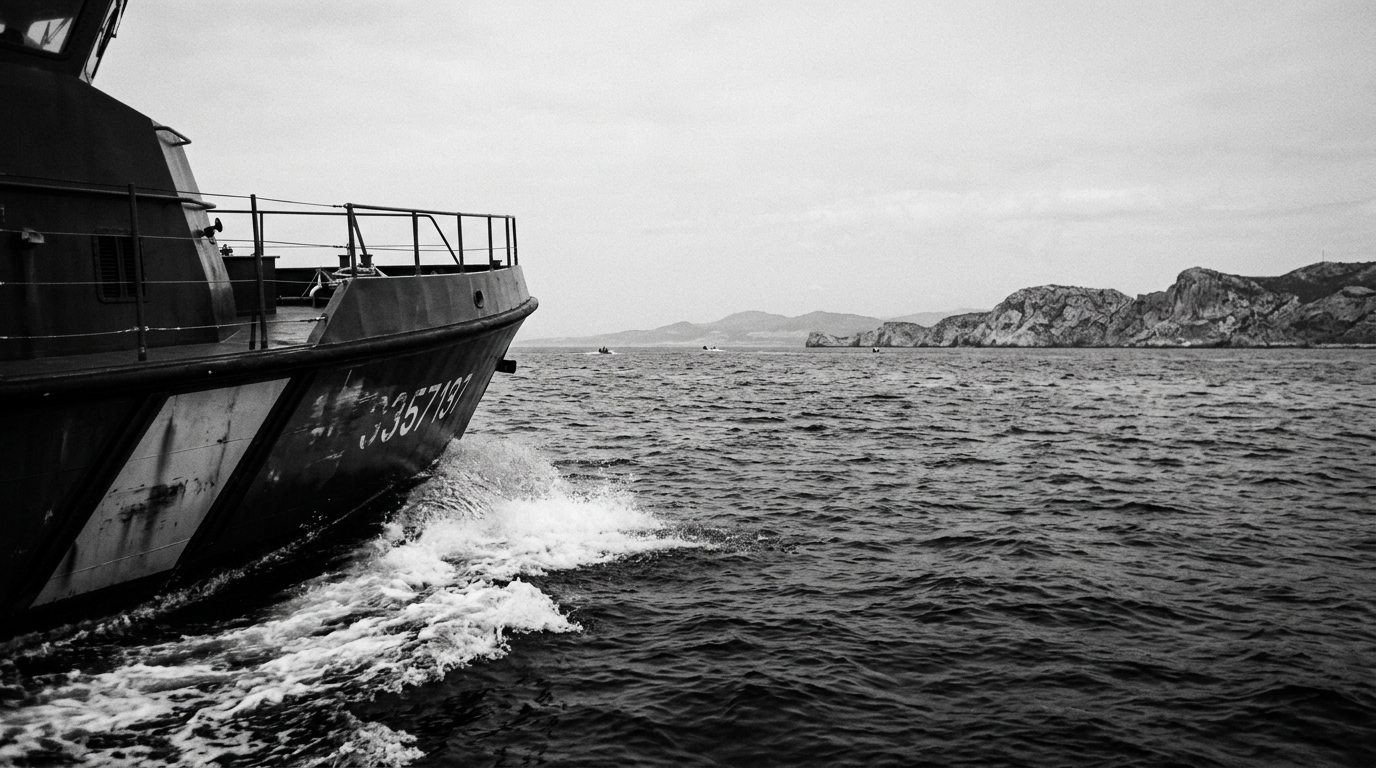
The Ceuta migrant crisis escalated after local officials said 60,000 people reached the enclave from Moroccan territory on Thursday and 34 died.
Pedro Sánchez, Spain’s prime minister, flew to Ceuta on Friday as Madrid tried to regain control of a border shock that overwhelmed local guards by land and sea. Spanish authorities said they would seek rapid expulsions for people deemed to have entered unlawfully, while operating under new legal limits on immediate returns.
Sánchez lands in Ceuta
Sánchez framed the crossings as a sovereignty challenge after arriving in the Spanish enclave, which sits on the North African coast beside Morocco. He said the episode was a "violation of Spain’s territorial integrity" and pledged to use state resources to protect residents of Ceuta.
"What happened yesterday deserves our full reproach, our full condemnation," Sánchez said. He added that "The government of Spain will use all the instruments of the state, all the resources of the state, to guarantee the security of the people of Ceuta."
Juan Jesús Vivas, president of Ceuta’s autonomous government, gave the estimate of 60,000 crossings and said 34 people had died during the attempt. Local authorities said many of the deaths were drownings, reflecting the mix of sea routes and land pressure that hit the enclave in a compressed period.
Court ruling narrows returns
The legal trigger is central to Madrid’s response. Sánchez tied the surge to a recent Spanish supreme court ruling that people who reach Spain by water cannot be sent back to Morocco, a decision that complicates the use of fast-track border removals.
Spain also faces restrictions on special border rejection rules, which previously allowed immediate removals at the frontier. The source did not provide the full court text, so the precise operational limits on police and border officers remain an open legal question.
Ceuta’s geography makes those limits politically explosive. The enclave is Spanish and therefore part of the European Union’s external edge, but it is physically attached to Morocco, creating a narrow pressure point where migration, diplomacy and EU border policy meet.
Schengen pressure reaches Madrid
The crossings quickly became a European dispute. Italy’s Prime Minister Georgia Meloni called for Spain’s participation in the Schengen system to be suspended, saying her government was ready to use extraordinary tools to defend borders and public security.
"On illegal immigration, we will not retreat an inch: defending borders, stopping human traffickers and ensuring effective repatriations will continue to be the line of this government," Meloni wrote on Instagram. French Interior Minister Laurent Nunez said he had ordered additional checks at the Spanish frontier, while Ursula von der Leyen wrote that "we cannot allow anyone to come to our Union without abiding by our rules."
The immediate impact falls on Ceuta, Spain’s interior authorities and migrants who may now face removal proceedings under contested rules. The wider effect reaches transport operators, tourism businesses and cross-border workers if temporary checks spread inside the passport-free Schengen area.
Three paths for Europe
If Spain processes expulsions quickly while staying inside court limits, the crisis may remain concentrated in Ceuta and the EU’s macro effect would likely be contained to border management costs and political pressure. For Madrid, that path would help Sánchez show control; for the wider migration system, it would reinforce faster screening at hard external borders.
If courts or rights challenges slow removals, Spain could face longer accommodation and policing demands, while EU governments press for tougher common rules. That would weaken Sánchez’s room for maneuver and push the border, legal aid and reception sectors into a longer operating strain.
If Schengen checks expand, the macro channel changes from migration management to friction inside Europe’s single travel area. Spain would face diplomatic isolation as well as border pressure, while airlines, hauliers and tourism-linked companies would watch for delays, cancelled trips and higher compliance costs.