Saudi F-35 bid gains urgency after US nuclear agreement
Saudi F-35 lobbying intensified as Khalid bin Salman pressed Washington before midterms, with Congress likely to scrutinize Israel's edge.
Lauren Collins ·
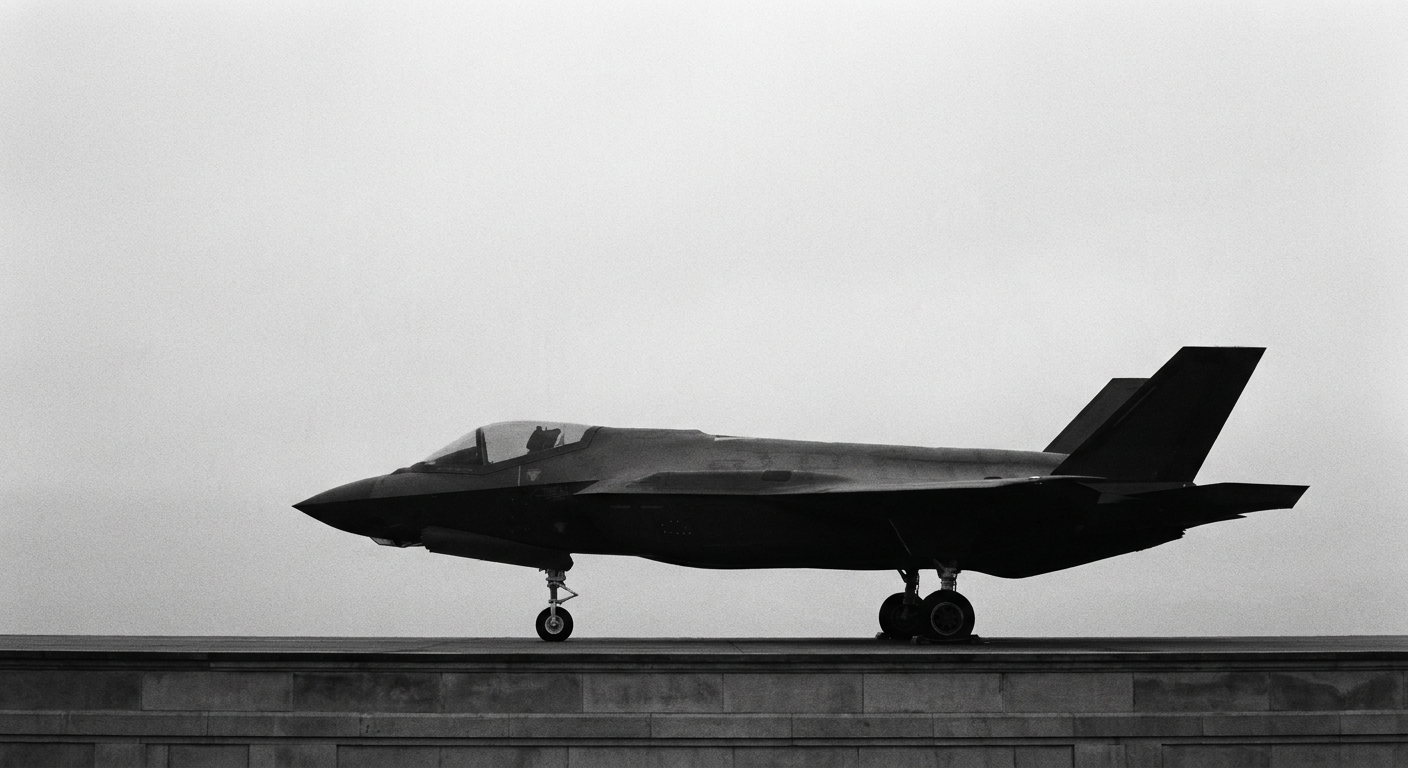
Saudi F-35 lobbying accelerated in Washington as Defense Minister Khalid bin Salman sought traction on a jet purchase before US midterms.
People aware of the defense minister's plans said the F-35 request and wider security cooperation were on his agenda. The push puts a prized US combat aircraft into a political test involving Gulf security, President Trump's team and lawmakers focused on Israel.
Khalid bin Salman held talks in Washington this week with senior officials in the Trump administration, according to people aware of his plans. One of those people said he also met Vice President JD Vance, placing the talks inside the top tier of the administration during the visit.
A narrowing midterm calendar
The Saudi calculation is shaped by timing. People aware of the plans said officials in Riyadh see a short opening to build on a US-Saudi nuclear accord reached last week, before the midterm campaign makes a major arms decision harder to move through Washington.
The request sits alongside a broader security conversation rather than a standalone aircraft purchase. For Saudi Arabia, placing F-35 sales next to nuclear cooperation links defense, technology and strategic alignment in a single negotiation with Washington.
For the White House, the issue is not simply whether a Gulf partner wants advanced equipment. It is whether the administration can weigh Saudi defense goals against congressional resistance over Israel's regional military advantage, which people aware of the plans expect to emerge.
Congress weighs Israel's edge
Congress is the central uncertainty because any Saudi F-35 arrangement would land inside a regional balance debate. People aware of the plans said opposition is likely from lawmakers who view advanced fighter sales through the lens of Israel's security position.
That pressure could slow or narrow the package even if talks with President Trump's officials progress. A narrower path might preserve security cooperation while separating the fighter issue from other areas, including the nuclear accord that gave Riyadh its latest diplomatic momentum.
The Saudi side appears to be acting before US politics harden. Midterm campaigns can compress legislative time and raise the political cost of controversial foreign policy deals, especially when a sale touches both Gulf partners and Israel.
Three paths for the fighter request
If the lobbying succeeds and opposition stays limited, the macro effect would be a stronger US-Saudi security signal at a time when Gulf stability feeds into global risk sentiment. For Saudi Arabia, the gain would be access to a premier fighter platform; for the defense sector, it would reinforce demand for high-end systems in allied markets.
If Congress pushes back, the global effect would be less about markets than about diplomatic friction between Washington and Riyadh. Saudi Arabia would then have to decide whether to keep the aircraft request tied to the wider security agenda, while the defense industry would face a reminder that export politics can be as decisive as procurement demand.
If the issue is deferred until after midterms, the immediate macro consequence would be continued uncertainty around the direction of US security commitments in the Gulf. Saudi Arabia would preserve its ask but lose the current window, and the wider sector would wait for a clearer signal on whether advanced fighter exports to the region can expand.