Search teams deploy as U.S. expands Venezuela disaster support
U.S. help for Venezuela is shifting to urgent search-and-rescue, aerial damage checks, and Pentagon support to keep Caracas airport operations moving.
Lauren Collins ·
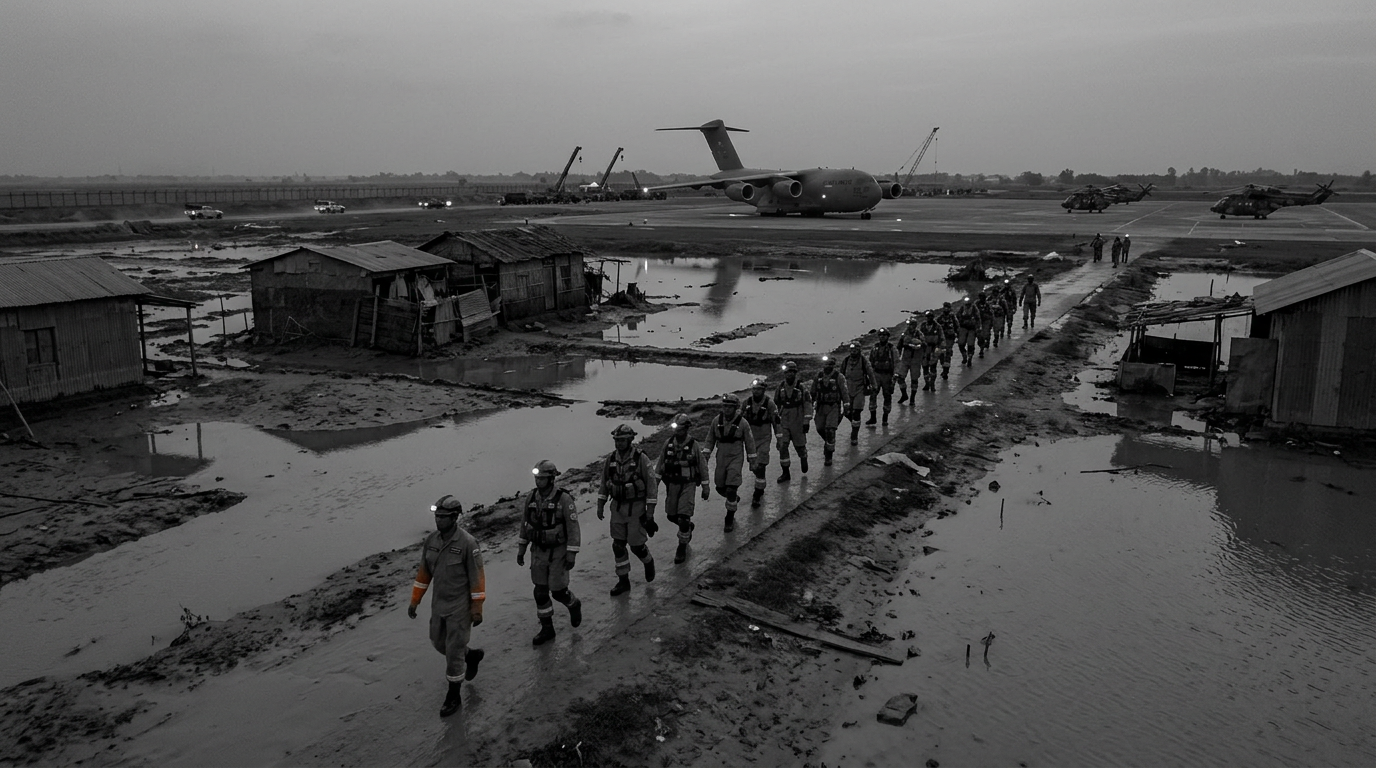
U.S. help for Venezuela is centering on emergency rescue operations and efforts to keep damaged air infrastructure functioning, Secretary of State Marco Rubio said in remarks to reporters in Bahrain.
Rubio said he spoke Thursday morning with Rodríguez, describing immediate priorities as locating survivors and getting assistance into affected areas. He added that U.S. teams were already being mobilized to support search-and-rescue work.
Search-and-rescue and aerial assessment take priority
Rubio framed rescue as the most time-sensitive requirement, saying the initial phase of the response is focused on finding people and stabilizing conditions on the ground. He indicated U.S. resources are being directed toward that mission first.
Alongside rescue deployments, Rubio said the United States is providing overhead imagery to help map damage, with particular emphasis on coastal zones. He noted that limited visibility in some areas is complicating efforts to understand the full scale of impacts.
Overhead imagery—typically collected through aircraft or satellites—can help emergency managers identify blocked routes, inundated neighborhoods, and isolated communities. It is also used to prioritize where rescue crews and relief supplies should go first.
Pentagon support targets Caracas airport damage
Rubio said the Pentagon will deploy assets to support operations at a badly affected airport in Caracas. He described runway damage, including a cracked runway, as a constraint that could slow inbound assistance.
Maintaining air access is often critical in large-scale emergencies because airports serve as hubs for incoming personnel, medical supplies, and equipment. When runways are compromised, only certain aircraft and specialized crews may be able to operate safely.
Rubio said the U.S. Defense Department has capabilities to land in challenging conditions, suggesting U.S. military resources could help sustain flights even as repairs and safety assessments proceed. He did not provide a timeline for the deployment or specify which assets would be sent.
Logistics planning for a wave of private donations
Rubio also said the United States is preparing to provide logistical support as private donations increase. He characterized the expected influx as a “surge,” signaling that organizing and transporting donated goods could become a major operational task.
In disaster responses, private aid can bring needed supplies quickly but can also strain airports, warehouses, and distribution networks if coordination is limited. Logistical support typically includes routing, staging areas, and prioritization so critical items move first.
Rubio delivered the comments while traveling in Bahrain as part of engagement with Gulf partners. His remarks indicate Washington is positioning its assistance around immediate life-saving missions, situational awareness from the air, and keeping a key transport node functioning.
Next steps are likely to hinge on the evolving assessment of damage—especially in coastal areas—and whether the Caracas airport can sustain steady operations. Further announcements are expected as deployments arrive and authorities clarify the scale of needs on the ground.