NATO visit spotlights Trump-era rise in defense spending
NATO chief Mark Rutte visited Washington to highlight a Trump-era rise in allied defense spending and to defuse tensions over support for action against Iran.
Lauren Collins ·
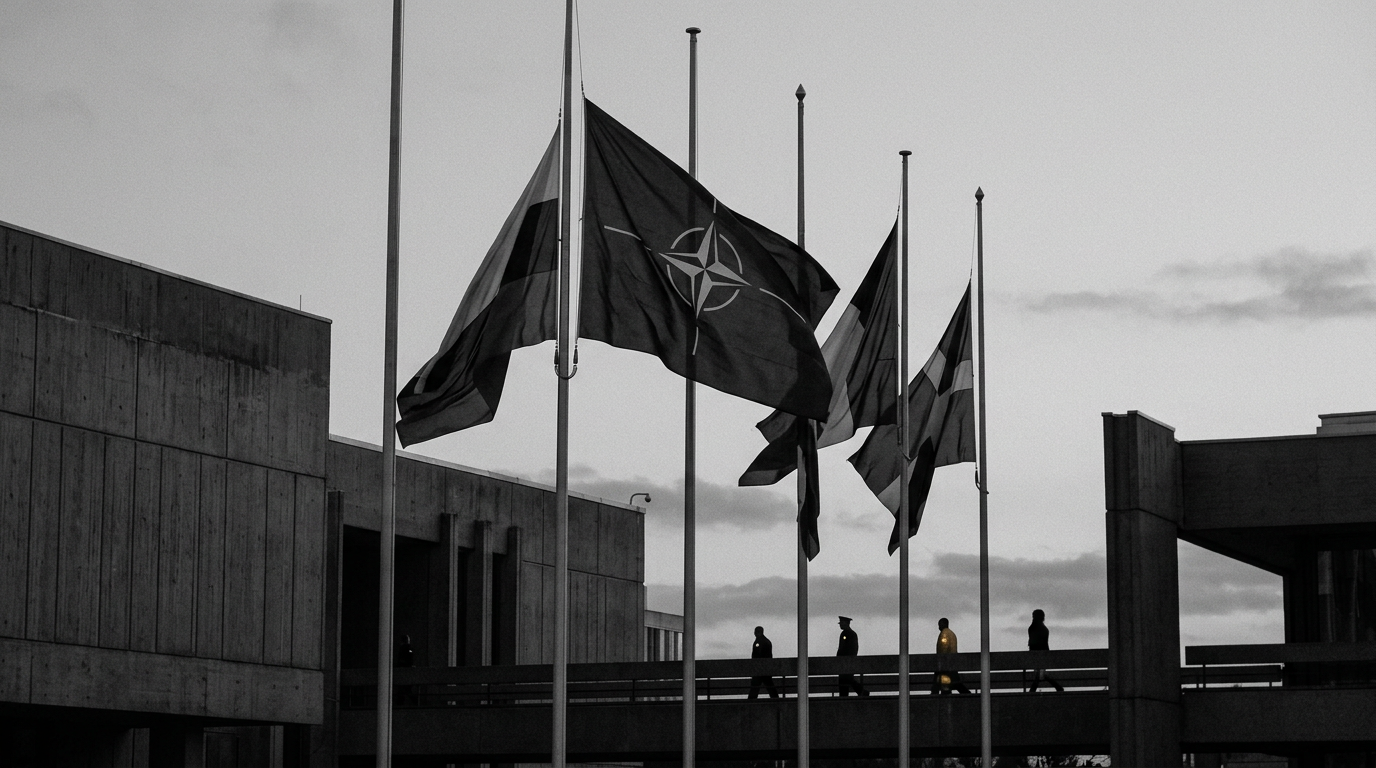
NATO chief Mark Rutte visited Washington this week to underscore a surge in allied defense budgets since 2017 and to cool President Donald Trump’s frustration with the alliance.
The outreach came as Trump has voiced anger about NATO countries hesitating to align with the US campaign against Iran, according to the account of the meeting.
Rutte leans on optics and accolades in Oval Office
During a June 24, 2026, Oval Office session, Rutte used large display boards featuring gold text and red charts to frame recent spending increases as evidence of Trump’s influence.
The posters carried titles including “The Trump Trillion” and “The Trump 47 Effect,” and presented a visual summary of additional defense funding that NATO members have committed since Trump’s first year in office in 2017.
Rutte told Trump he wanted to show “what this president is able to achieve,” publicly tying the alliance’s budget trajectory to the US president’s pressure campaign.
He also argued that European allies moving closer to US-level defense spending represented a historic shift, comparing it to a level of burden-sharing last seen during President Dwight Eisenhower’s era in the 1950s.
Meeting reflects strain over Iran and NATO’s direction
The visit was widely read as an effort to manage a relationship that has become more volatile as Trump has sharpened criticism of NATO’s performance and cohesion.
While NATO is a collective defense pact, the meeting’s backdrop was Trump’s irritation at what he views as insufficient allied backing for US actions involving Iran.
Rutte’s emphasis on spending trends appeared designed to address one of Trump’s long-running complaints: that the US carries too much of the cost of European security.
Warm personal rapport draws scrutiny in Europe
Rutte’s approach leaned heavily on personal rapport. The NATO secretary general has previously praised Trump in unusually familiar terms, including describing him as the alliance’s “daddy,” a remark that has attracted attention among member states.
That style has triggered criticism inside Europe, where some officials and commentators see an overly deferential posture that could weaken NATO’s collective stance by centering decisions on Trump’s preferences.
The Washington appearance nevertheless suggested Rutte is prioritizing the immediate task of keeping channels open with the White House and reinforcing an argument Trump has repeatedly demanded: measurable increases in allied defense outlays.
Photographs from the meeting showed Rutte in the Oval Office during the June 24 encounter, part of a high-visibility effort to shift the conversation from alliance discord toward quantifiable budget changes.
For NATO, the immediate implication is that defense spending remains the key metric in managing US expectations, even as operational disagreements—such as how far to go in confronting Iran—continue to test allied unity.
Next steps will be whether Rutte’s evidence-based pitch translates into reduced US pressure on the alliance, and whether European capitals can maintain higher defense spending while navigating political backlash at home.