US-Iran deal tests Gulf trust in Washington’s security vows
The US-Iran deal is facing skepticism across Gulf capitals as officials weigh whether the agreement restrains Tehran or leaves regional security risks intact.
Lauren Collins ·
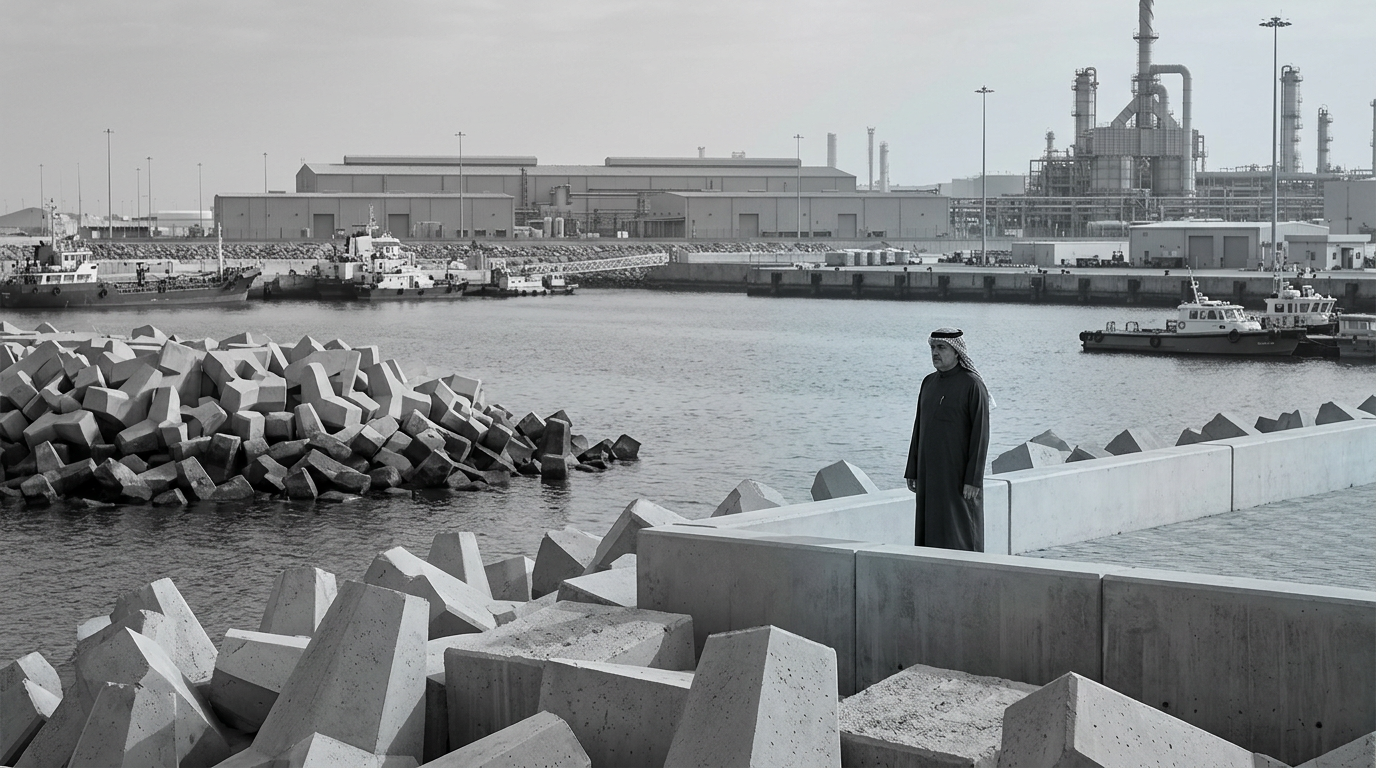
The US-Iran deal is drawing a cautious reception in the Gulf, where officials and business leaders say Washington’s assurances have not eased core security concerns.
Several Gulf governments view the agreement as potentially leaving Iran’s military power largely untouched while creating new financial space for Tehran to bolster its armed forces. US officials, led by the secretary of state, are working to persuade partners that American security guarantees remain firm.
Gulf capitals question whether Iran is meaningfully restrained
According to reporting cited by CNN, the United Arab Emirates, Kuwait and Bahrain are among the states most uneasy about the arrangement. Their concern is that the deal may not sufficiently limit Iran’s military capabilities, even if it reduces immediate pressure for renewed fighting.
A central fear is that resources unlocked under the agreement could be redirected toward Iran’s military establishment. For Gulf states that sit across key waterways and near critical energy infrastructure, the issue is not only Iran’s intent but also its capacity to project force.
Gulf officials are also focused on the baseline question raised by analysts: whether the US-Iran deal leaves them safer than they were before the war that preceded the ceasefire. That comparison, rather than diplomatic messaging, is increasingly shaping regional reactions.
Ceasefire support coexists with doubts about the bargain
Despite misgivings, Gulf states have generally backed the ceasefire, reflecting a calculation that halting hostilities reduces immediate risk to civilians, trade and energy flows. As one analyst put it in CNN’s coverage, regional leaders see even an imperfect arrangement as preferable to open conflict.
This support does not equate to confidence in the deal’s long-term stabilizing effect. Gulf governments have historically treated de-escalation and deterrence as parallel tracks, and their current posture suggests they may continue to hedge through defense planning and regional partnerships.
The public and private tone in the Gulf has also underscored that credibility is at stake for Washington. If allies believe Iran gains room to rearm or expand influence, they may interpret the agreement as shifting the regional balance without adequate compensating guarantees.
Frustration with US decision-making deepens regional unease
The skepticism is tied not only to the text of the US-Iran deal, but also to broader concerns about how US policy is made and communicated. The Washington Post described a deeper frustration among Gulf observers with President Donald Trump’s approach, citing sentiment that Gulf partners were outmaneuvered during negotiations.
“We got played,” a Dubai businessman told the newspaper, capturing a view that Gulf interests were not fully protected. While such remarks do not represent official government positions, they reflect a wider perception problem that US diplomats now must manage.
For Gulf leaders, the practical test will be visible follow-through: how Washington enforces constraints on Iran, responds to any regional escalations and coordinates deterrence with partners. The secretary of state’s outreach may reassure some capitals, but operational outcomes will likely decide whether skepticism turns into policy shifts.
Next steps are expected to center on intensified US-Gulf consultations, including security discussions aimed at demonstrating that regional defense commitments remain credible. Gulf governments will watch closely for signs that the deal either limits Iran’s ability to expand military activity or inadvertently enables it.