Diplomacy clock ticks as IAEA presses Iran visits plan
IAEA inspections are back at the center of US-Iran negotiations after Trump threatened to pause talks and Iran signaled no imminent visits by UN nuclear…
Lauren Collins ·
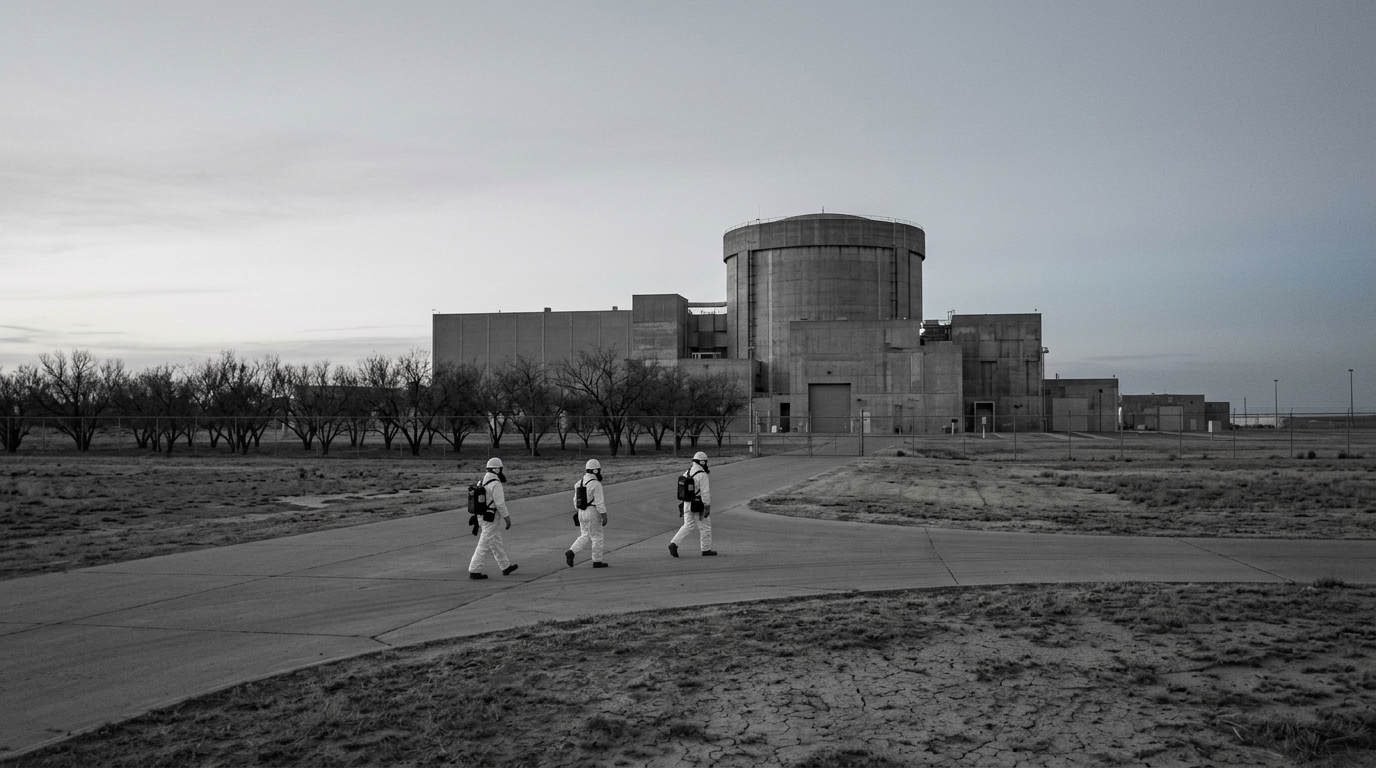
IAEA inspections resurfaced as a core sticking point in US-Iran negotiations after President Donald Trump warned talks could stop without access for nuclear monitors.
The International Atomic Energy Agency said it expects comprehensive monitoring to resume eventually, even as Tehran and Washington traded competing messages overnight. The agency is tasked with verifying Iran’s stockpiles of near-bomb-grade uranium.
IAEA Director General Rafael Mariano Grossi characterized the dispute as a “war of words,” pointing to White House statements about monitoring that Iranian officials rejected. Grossi’s comments signaled the watchdog is trying to keep attention on practical access rather than political messaging.
Conflicting signals from Washington and Tehran
In Washington on Tuesday, Trump said he would be prepared to halt peace talks if Iran refuses to allow IAEA inspections of its nuclear sites. The warning sharpened the leverage the US is attempting to build into the negotiating process.
At roughly the same time, Iran’s foreign ministry said there were no immediate plans for visits by scientists from the UN nuclear organization. The statement pushed back on the idea that inspection teams are poised to return quickly.
The mismatch matters because inspectors are the mechanism by which any agreement is tested in practice. Without access, neither side can credibly claim compliance or noncompliance, and allegations can substitute for evidence.
Talks under a deadline, with enrichment at the center
The exchange comes as American and Iranian negotiators work toward what both sides have framed as a permanent peace deal. Their current negotiating window is 60 days and can be extended by mutual consent, but it is set to run out around mid-August.
The present round follows an interim agreement signed by Washington and Tehran last week. The main phase now is intended to focus on an arrangement to stop Iran from enriching additional uranium for at least a decade.
That proposed moratorium would be a major constraint on Iran’s nuclear program, depending on how it is defined and verified. For the US, enforcement would hinge on the IAEA’s ability to confirm what is happening at declared and potentially sensitive sites.
For Iran, a long-term freeze could reduce bargaining flexibility while leaving the country dependent on reciprocal steps from Washington. The political costs are also asymmetric: Trump has signaled he is willing to make inspections a red line, while Iranian officials have indicated inspections are not imminent.
IAEA access sought at bombed sites and for stockpiles
The IAEA wants access to nuclear locations bombed by the US and Israel in June 2025. Those sites are where the agency last recorded 441 kilograms (972 pounds) of highly enriched uranium and nearly 8,600 kilograms of lower-enriched material.
Those figures are central to the monitoring dispute because they define what must be accounted for to restore a baseline. If inspectors cannot visit, the IAEA cannot independently verify whether material has been moved, altered, or otherwise handled in ways that affect the negotiating premise.
Grossi’s assertion that monitoring will resume “at some stage” indicates the agency is betting on a diplomatic pathway that reopens access. But the immediate question is whether the parties can bridge the gap between a US demand for inspections as a condition of talks and Iran’s insistence that no visits are planned in the near term.
With the mid-August deadline approaching, negotiators face a practical test: turning the interim agreement into a verifiable framework. The next key indicator will be whether Tehran and Washington can agree on the timing and scope of IAEA inspections tied to any enrichment moratorium.