Iran says US-Iran technical talks in Switzerland were concluded
US-Iran technical talks in Switzerland ended with plans for future negotiations as both sides cite progress on assets, oil waivers and Hormuz security.
Lauren Collins ·
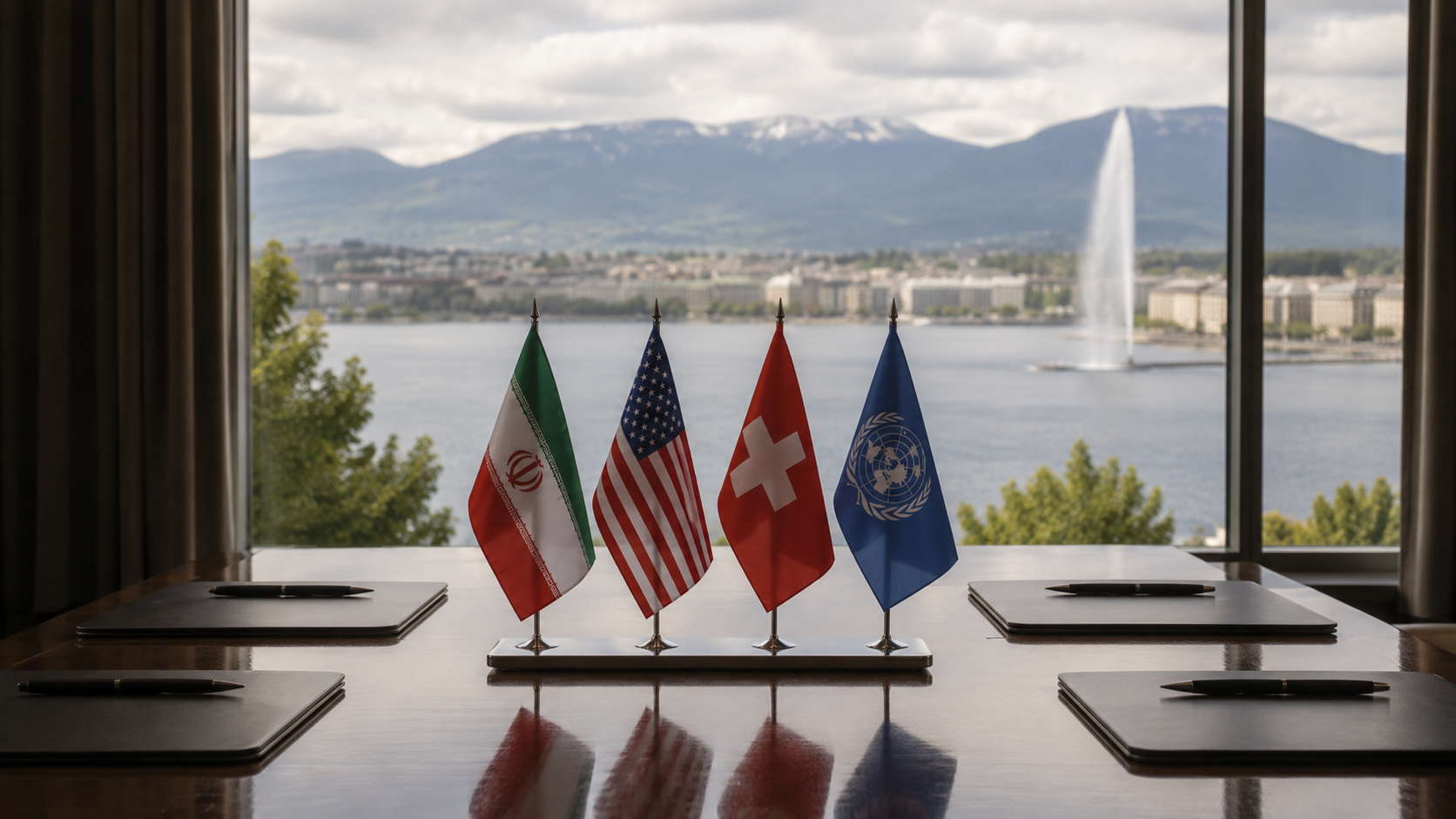
US-Iran technical talks in Switzerland concluded with agreements on how the next round of negotiations will be organized and carried out.
Iran said the meeting produced arrangements for future sessions, including working groups and ways to implement earlier commitments, according to the state-run IRNA news agency.
Switzerland meeting sets up working groups and mechanisms
Deputy Foreign Minister Kazem Gharibabadi, who led Iran’s technical negotiating team, said the talks were four-party discussions involving the United States and mediators.
He said the sides reached understandings on “implementation mechanisms” tied to documents produced earlier in the process, and agreed on practical structures for the next stage of negotiations.
Gharibabadi linked the technical track to a high-level committee session held Sunday to monitor the Islamabad Memorandum of Understanding.
That MoU, he said, is a framework agreement signed virtually by the U.S. and Iranian presidents on June 17, aimed at ending what Iran described as a war that has lasted more than 100 days.
Under Iran’s account, the Switzerland talks were designed to translate that framework into operational steps, including establishing working groups and defining how implementation will be measured.
Assets release and oil waiver signal a shift in leverage
Iran’s top negotiator Mohammad Ghalibaf said an agreement has been reached with the United States to release $12bn in frozen Iranian assets.
In Washington, President Donald Trump said the unfrozen funds would be directed toward purchasing U.S. agricultural products, framing the move as support for American farmers.
Speaking from the Oval Office, Trump said the money would be used to buy food “exclusively through the United States,” citing items such as corn and soybeans.
The U.S. Department of the Treasury also announced a 60-day waiver allowing Iran to sell oil and petrochemical products, a step that touches the core of long-running sanctions pressure.
From the U.S. perspective, temporary waivers can serve as a policy lever—offering near-term economic relief while reserving broader sanctions relief for later decisions.
For Iran, the immediate economic upside could be substantial, because restrictions on buyers have often forced Iranian crude to trade at a discount even when exports continued.
Al Jazeera correspondent Alan Fisher, reporting from Washington, described the waiver as a reversal of U.S. policy on Iran’s oil industry and said it could allow Iran to sell at full price rather than at a steep markdown.
Fisher said that change could channel hundreds of millions of dollars into Iran’s economy, while U.S. officials still present the waiver as conditional in the broader sanctions architecture.
Hormuz: de-escalation channel, but not a return to “before”
Alongside financial and energy measures, the Strait of Hormuz emerged as a separate but connected track in the discussions.
Iran has agreed to establish a line of communication with the United States intended to ensure safe passage through the strait, a chokepoint that carries about a fifth of global energy exports.
Yet Ghalibaf—who also serves as Iran’s parliament speaker—said the prewar “status quo” would not be restored even as Tehran pledges compliance with international law.
“Everybody should know that the administration of the Strait will never return to the way it was before the war,” he said while traveling back from the Switzerland talks.
During the conflict, Tehran enforced control over the narrow waterway by attacking, or threatening to attack, vessels seeking to transit, as part of its response to the U.S.-Israel war on Iran.
The immediate next step is whether the technical understandings—working groups, benchmarks, and implementation mechanisms—translate into follow-on meetings that lock in the asset release, the oil waiver’s terms, and operational procedures for maritime communication.
For markets and policymakers alike, the near-term question is how long the waiver lasts and what conditions Washington sets for expanding relief, while Iran signals it intends to keep a tighter hand on Hormuz even after the shooting stops.