Energy outlook shifts after US-Iran truce calms fighting
A US-Iran truce has slowed fighting and pushed oil prices down, while governments and analysts weigh the deal’s nuclear, economic and regional consequences.
Lauren Collins ·
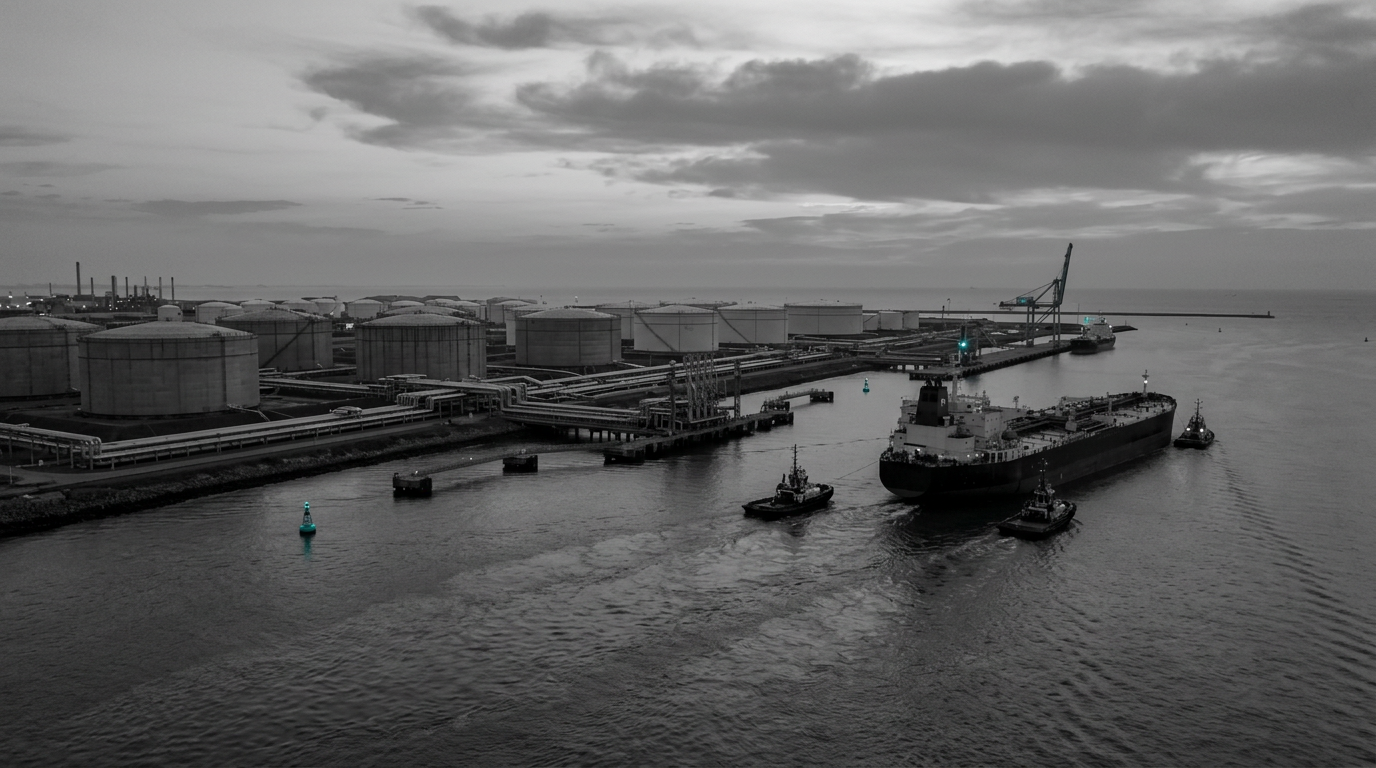
A US-Iran truce has been formalized through a remotely signed memorandum of understanding, sending oil prices lower and prompting sharp debate over the deal’s terms.
The interim arrangement pauses a conflict that analysts described as avoidable, but critics say the document crosses policy boundaries set by US President Donald Trump on Iran’s nuclear activity, missile holdings and access to frozen funds.
Deal prompts claims of strategic shift in the Middle East
Commentators across Washington’s foreign policy community split over what the memorandum means in practice and what it signals about leverage between the two governments.
Some analysts argued the truce locks in a regional balance they characterized as favoring Tehran, calling it a major strategic error for the United States and a framework aligned more closely with Iran’s priorities than Washington’s.
Others urged a narrower reading. The executive editor of Foreign Affairs defended the memorandum as a byproduct of a wider failure, arguing the bigger problem was the war itself rather than the stopgap instrument now ending it.
Trump dismissed opponents of the agreement, labeling critics “fools” and describing them as motivated by jealousy or stupidity, according to published accounts of his response.
Oil shock eases, but governments brace for volatility
Energy markets reacted quickly after Washington and Tehran finalized the interim deal, with crude prices falling further as traders priced in reduced near-term disruption.
Even so, analysts cautioned that a durable reset may be slow. Forecasts cited in coverage suggested global energy markets could take months to fully stabilize, reflecting lingering uncertainty about supply routes, insurance costs and risk premiums.
Countries far from the conflict are already recalibrating economic plans. Brazil said it would consider ending fuel subsidies if oil prices hold steady, highlighting how fiscal policy in import-dependent economies can swing with energy costs.
Chile, which imports most of its fuel, lowered its 2026 growth outlook while raising inflation expectations. In Europe, France signaled it expects weak momentum to persist, underscoring how energy-linked price pressures and uncertainty can weigh on demand even after fighting slows.
In Asia, Thailand reported visitors from the Middle East fell 25% in the first five months of 2026, a blow to a tourism sector that is central to its economy. One expert described the broader outlook as more “jittery,” reflecting how conflict-driven shocks can leave lasting caution in corporate and household decisions.
Iran’s population faces long recovery after economic hit
Iran’s leadership may have emerged with greater confidence from the standoff, but specialists said the country’s people are likely to shoulder the most enduring damage.
Economic indicators cited by analysts point to an acute household squeeze. Food-price inflation reached 131% last month, millions reportedly lost jobs, and reconstruction of damaged infrastructure is expected to cost tens of billions of dollars.
Human rights observers also warned the war coincided with intensified repression. They said the conflict diverted attention from a January crackdown on dissent that reportedly left thousands dead, while strengthening authorities’ ability to detain opponents and restrict public mourning.
A prominent activist described the war as effectively empowering the state, citing patterns that included imprisonment, killings, property seizures and efforts to prevent funerals for those killed.
Next steps will hinge on whether the interim memorandum evolves into a more detailed agreement, including any verifiable limits tied to nuclear activity, missile capacities and the handling of frozen assets. For global markets, the key test will be whether the reduced risk premium in oil can hold as investors assess the truce’s durability.