Trump still warns strikes as he signs the deal
The Iran interim agreement text was released as Trump warned of renewed U.S. attacks if Iran violates terms, while a 60-day window opens for a final truce.
Lauren Collins ·
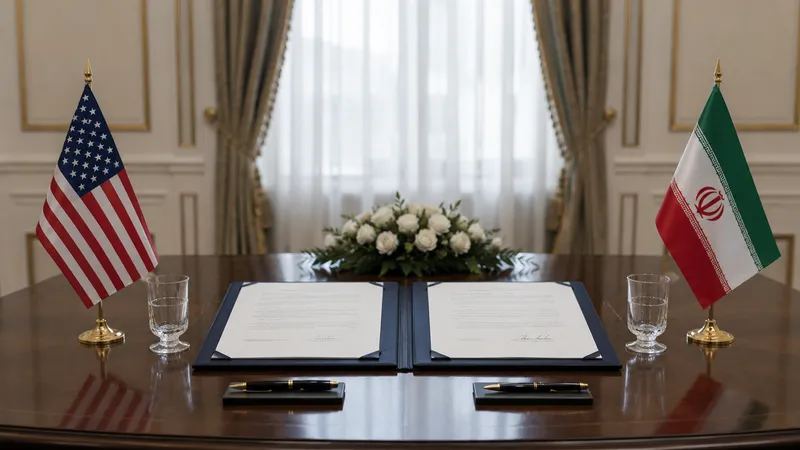
The Iran interim agreement was made public Wednesday after being signed by U.S. President Donald Trump and Iranian President Masoud Pezeshkian, with Trump warning the United States would resume attacks if Tehran fails to comply.
Speaking while attending the G7 in Evian-les-Bains, France, Trump coupled the publication of the interim text with a threat aimed at enforcement, saying the U.S. would strike again if the deal is violated and warning Iranian officials could be targeted.
The memorandum extends a ceasefire announced in April by 60 days, including in Lebanon, to give negotiators time to pursue a permanent truce. Iranian officials said the agreement was already in effect as of Wednesday.
Ceasefire extended, final truce talks set for 60 days
U.S. and Iranian officials said both leaders digitally signed the document in English and Farsi. The release of the text underscores how quickly the conflict has moved from active operations to formal diplomacy, even as the rhetoric remains combustible.
Trump told reporters he wanted Iran to “honor the agreement,” but said the alternative would be renewed bombing. He also described Iranians as “smart people” as the two sides prepare for negotiations over the next 60 days.
The interim accord includes the unfreezing of billions of dollars in Iranian assets, according to Iran’s lead negotiator, Mohammad Baqer Qalibaf. On Iranian state television, Qalibaf framed the deal as a negotiating victory, saying Iran gained through talks what military action could not deliver.
Trump shifts on missiles while repeating enforcement threats
At the G7, Trump also pulled back at least one rationale he had previously cited for the war. He said it would be “unfair” for Tehran not to have ballistic missiles, after earlier pledges to eliminate Iran’s missile capabilities.
That shift matters because missile limits have long been among the most contentious elements in any U.S.-Iran understanding, affecting Israel’s security posture and Gulf states’ defense planning. A softer public line on missiles may widen negotiating space, but it also risks raising questions among U.S. partners about what constraints will remain in a final truce.
Iran’s leadership did not directly respond to Trump’s new threats on Wednesday. Instead, officials marked the moment by releasing photographs of what was described as the first agreement signed by both a U.S. and Iranian president since the Islamic Republic was established in 1979.
War’s toll shapes the incentives on both sides
The war began on Feb. 28, when the U.S. and Israel launched attacks on Iran that included the assassination of Iran’s 86-year-old Supreme Leader Ayatollah Ali Khamenei and senior military leaders on the first day. What followed, according to the published account, expanded into a regional conflict that included Lebanon.
More than 7,000 people have been killed, mostly in Iran and Lebanon, according to the report. The conflict also contributed to higher energy prices, intensified inflation pressures, and increased concern about a major food supply crisis in developing countries.
Those economic consequences create different pressures in Washington and Tehran. Trump argued a lasting deal could help stabilize the Middle East and reduce oil prices, a political and economic priority for consumers and governments facing inflation risks.
For Iran, the promise of access to frozen funds offers immediate financial relief. At the same time, the interim nature of the document means key questions—how a final truce would be verified, what military constraints might be permanent, and what penalties would follow any breach—remain unresolved during the 60-day negotiating window.
The next phase will hinge on whether the ceasefire holds across all covered theaters, including Lebanon, while diplomats work toward a final agreement. Trump’s repeated threats of renewed force set a sharp backdrop for those talks, tightening the timeline and raising the stakes of compliance.