UN Commission report says Gaza child deaths show war crimes
A UN inquiry report alleges Israeli authorities deliberately targeted Palestinian children, citing potential genocide and war crimes in Gaza and the West Bank.
Lauren Collins ·
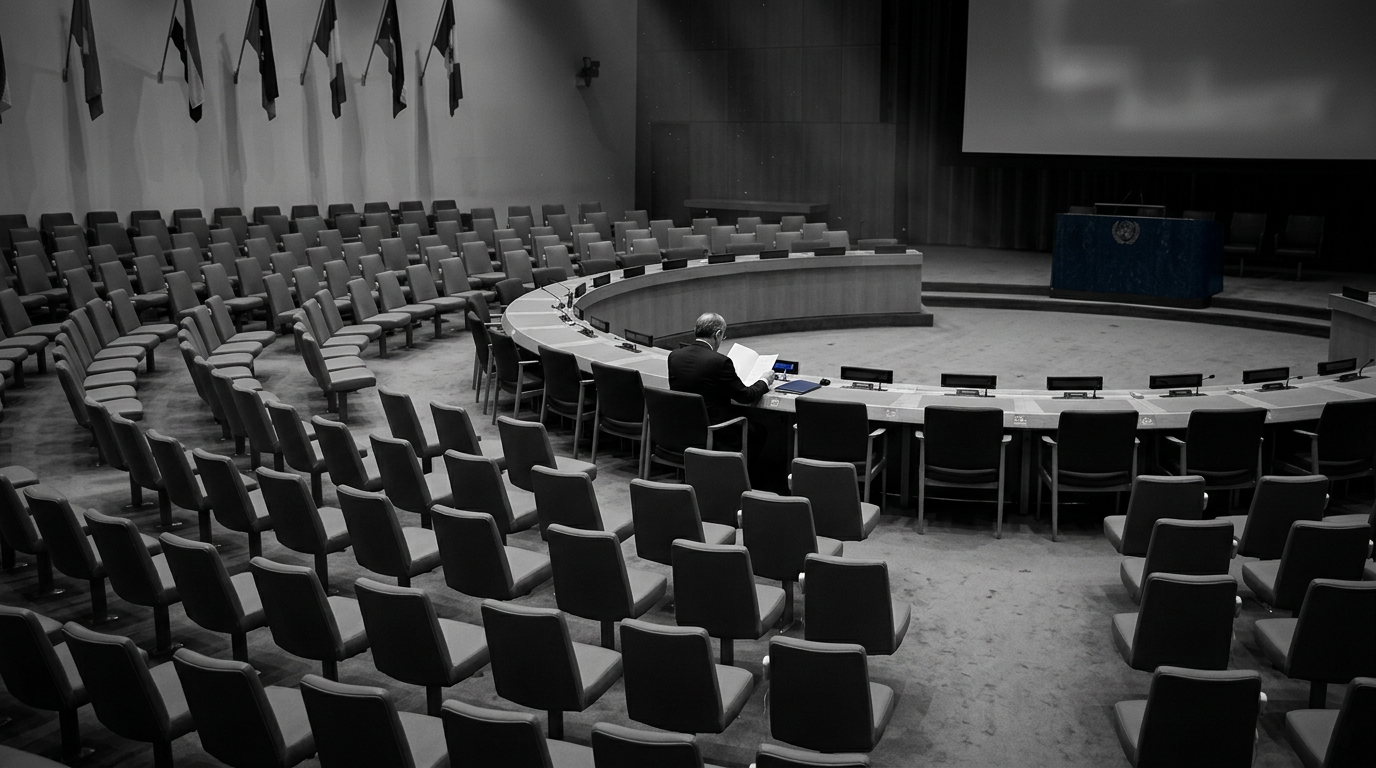
A UN inquiry report released in Geneva says Israeli authorities and security forces deliberately targeted Palestinian children, alleging genocide, crimes against humanity and war crimes in Gaza, and war crimes in the occupied West Bank.
The findings come from the U.N. Independent International Commission of Inquiry on the Occupied Palestinian Territory, including East Jerusalem, and Israel. The commission said it reviewed violations against Palestinian children since the war between Israel and Hamas began on Oct. 7, 2023.
What the UN commission said it found
The commission reported that children made up about 30% of those killed in the Gaza war. It framed that toll as part of a broader pattern of alleged unlawful conduct affecting minors.
In its latest report, the commission said the targeting of children contributed to what it described as international crimes in Gaza, including genocide, crimes against humanity and war crimes. It also said war crimes were committed in the occupied West Bank.
The commission’s mandate covers the Occupied Palestinian Territory, including East Jerusalem, and Israel. Its work focuses on documenting alleged violations and attributing responsibility under international law.
How Israel responded in Geneva
Israel rejected the commission’s conclusions. Israel’s mission in Geneva said it opposed what it called the commission’s “second defamatory advocacy report.”
In a statement, the mission said: “Israel dismisses this libelous sham,” adding that “every child deserves protection.” It argued the report failed to account for what it described as “the brutal tactics of Hamas.”
The dispute over the commission’s findings is not new. The commission issued a report in September that said Israel had committed genocide in Gaza and that top Israeli officials, including Prime Minister Benjamin Netanyahu, incited these acts—claims Israel previously denounced as “scandalous.”
Why the allegations matter politically and legally
The commission’s reports do not function as a court ruling, but they can shape international scrutiny by compiling claims and statistics into a formal U.N. record. That record can be cited by governments, advocates, and institutions assessing accountability and compliance with the laws of war.
For Israel, the immediate stakes are reputational and diplomatic, particularly in multilateral forums where language like “genocide” carries heavy legal and political weight. Israel’s Geneva mission made clear it views the commission’s work as advocacy rather than fact-finding.
For Palestinians, the commission’s emphasis on children places civilian harm at the center of the international narrative around the war that began on Oct. 7, 2023. The commission’s finding that children represented roughly 30% of fatalities in Gaza underscores how the costs of the conflict are distributed, especially among those with the least agency over combat decisions.
The commission’s reference to alleged war crimes in the occupied West Bank also widens the frame beyond Gaza. That matters for policymakers and diplomats who treat the two territories differently in security and humanitarian discussions, even as the commission covers both under a single investigative mandate.
Next steps are likely to play out in U.N. debates and in states’ own policy choices, including how they cite the commission’s work in public statements and international votes. Israel, for its part, signaled it will continue to contest the legitimacy and methodology of the inquiry.