Kremlin Signals Discontent Over U.S. Follow-Through
Russia-U.S. Alaska talks are back in focus after Moscow said Washington has not honored unspecified understandings tied to last August’s Putin–Trump summit.
Lauren Collins ·
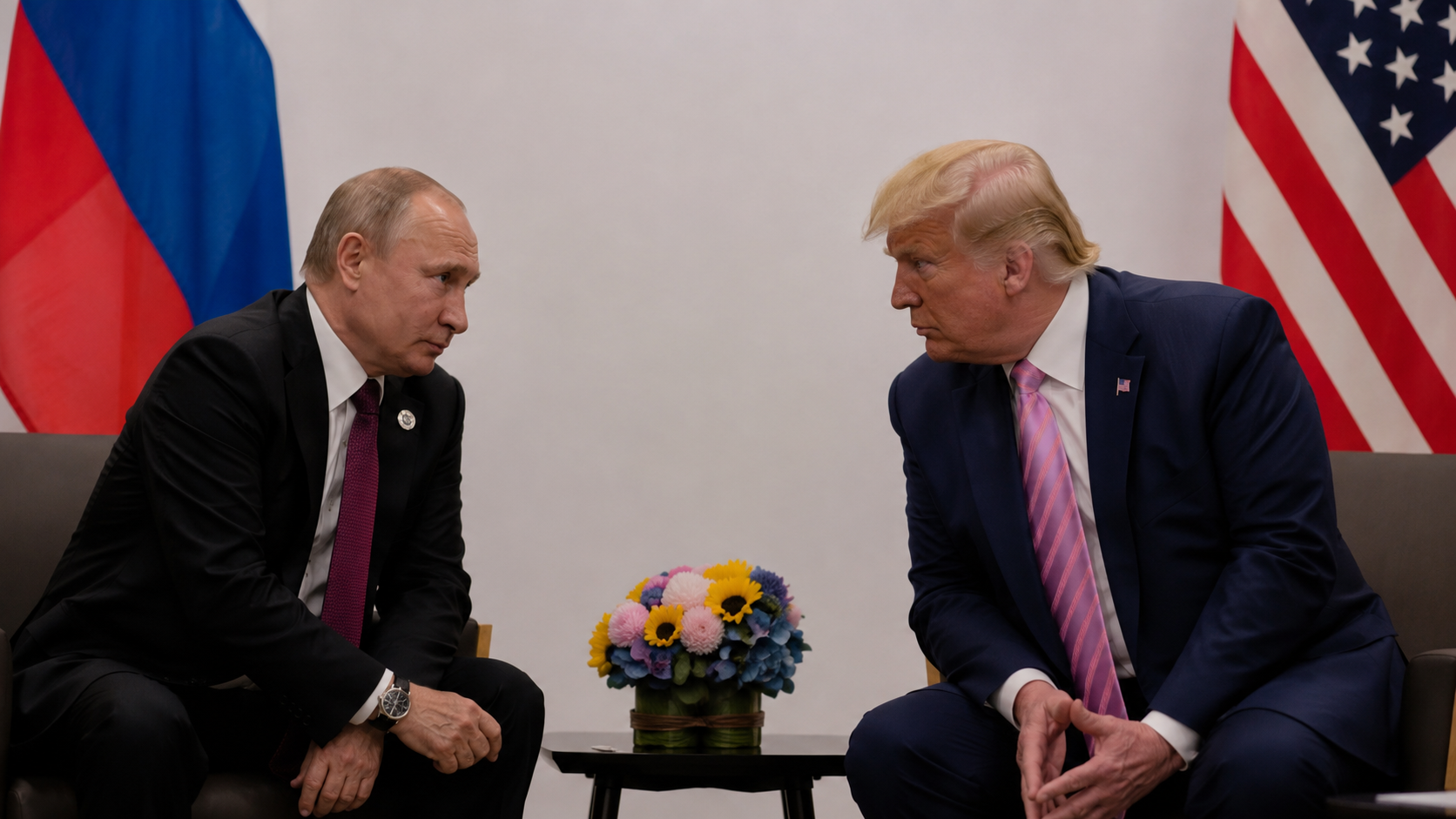
Russia-U.S. Alaska talks resurfaced in diplomatic messaging on June 23 after Moscow said Washington has not met unspecified understandings linked to last year’s Putin–Trump summit.
Over a three-day period, three senior Russian officials publicly complained that the United States had not delivered on what Russia describes as prior commitments. None of the officials offered details on what they believe was promised or what actions they expected from Washington.
The remarks signal a tougher tone from Moscow after months in which the Kremlin frequently praised Donald Trump’s stated efforts to seek an end to the war in Ukraine. Trump has alternated between criticizing Russian President Vladimir Putin and faulting Ukrainian President Volodymyr Zelenskiy for a lack of progress toward a deal.
Moscow points to unmet “understandings” from Alaska
The accusations center on a summit held in Alaska last August between Putin and Trump. Russian officials have repeatedly referenced what they call the “spirit of Anchorage,” a label that analysts say reflects Moscow’s belief that Trump was receptive to Russia’s core territorial demands in Ukraine.
According to that interpretation, Russia expects Ukraine to relinquish all of the Donbas region as part of any settlement, with the conflict otherwise stabilizing along existing front lines. Moscow has not publicly produced a written record of any bargain, and the U.S. side has not set out what, if anything, was agreed at the meeting.
Allied leaders were skeptical at the time that the summit produced concrete results, and some questioned the optics of extending high-profile diplomatic treatment to Putin. Those concerns are now resurfacing as Russia claims Washington has failed to act in line with earlier expectations.
War pressures grow as drones hit deep inside Russia
The diplomatic complaints come as Ukraine has increased drone operations reaching far beyond the battlefield. Russia has pointed to a rise in strikes deep inside its territory, including two attacks last week on a Moscow oil refinery.
Kyiv has not framed those incidents as linked to U.S.-Russia diplomacy, but the timing has sharpened the political environment around any negotiation track. At the same time, Moscow has maintained its own high-intensity campaign, continuing heavy attacks even as it rejects Ukrainian claims of gaining the upper hand.
At a Group of Seven summit, Zelenskiy told Trump and other Western leaders that Ukraine was shifting the momentum of the war. Russia disputes that assessment and argues that any peace plan must reflect what it calls realities on the ground, including control over occupied areas.
Signals for negotiations and Western unity
By saying the United States has not honored the Alaska summit’s “understandings,” Moscow is raising the cost of further engagement without concessions. The lack of specificity also leaves Washington and allied capitals guessing which issues—territory, sanctions, military aid, or ceasefire parameters—Russia believes fall under the disputed “spirit” of the talks.
For the United States, the episode highlights a persistent challenge: managing expectations created by leader-level summits when outcomes are not publicly defined. For Ukraine and its backers, Russia’s framing underscores the central dispute that has blocked past initiatives—whether any pause in fighting would effectively lock in Russian territorial gains.
Next steps will hinge on whether U.S. officials publicly rebut Moscow’s claims, whether Trump clarifies what he views as the Alaska summit’s result, and whether intensified drone and missile activity alters political calculations. With Russia and Ukraine both escalating operations, diplomatic messaging is likely to harden unless a clearer negotiating framework emerges.