US expands Hormuz sanctions on Iran shipping toll systems
The US sanctioned Iranian firms tied to Hormuz passage fees, raising compliance risk for shipowners and pressure on Tehran’s maritime revenue.
Lauren Collins ·
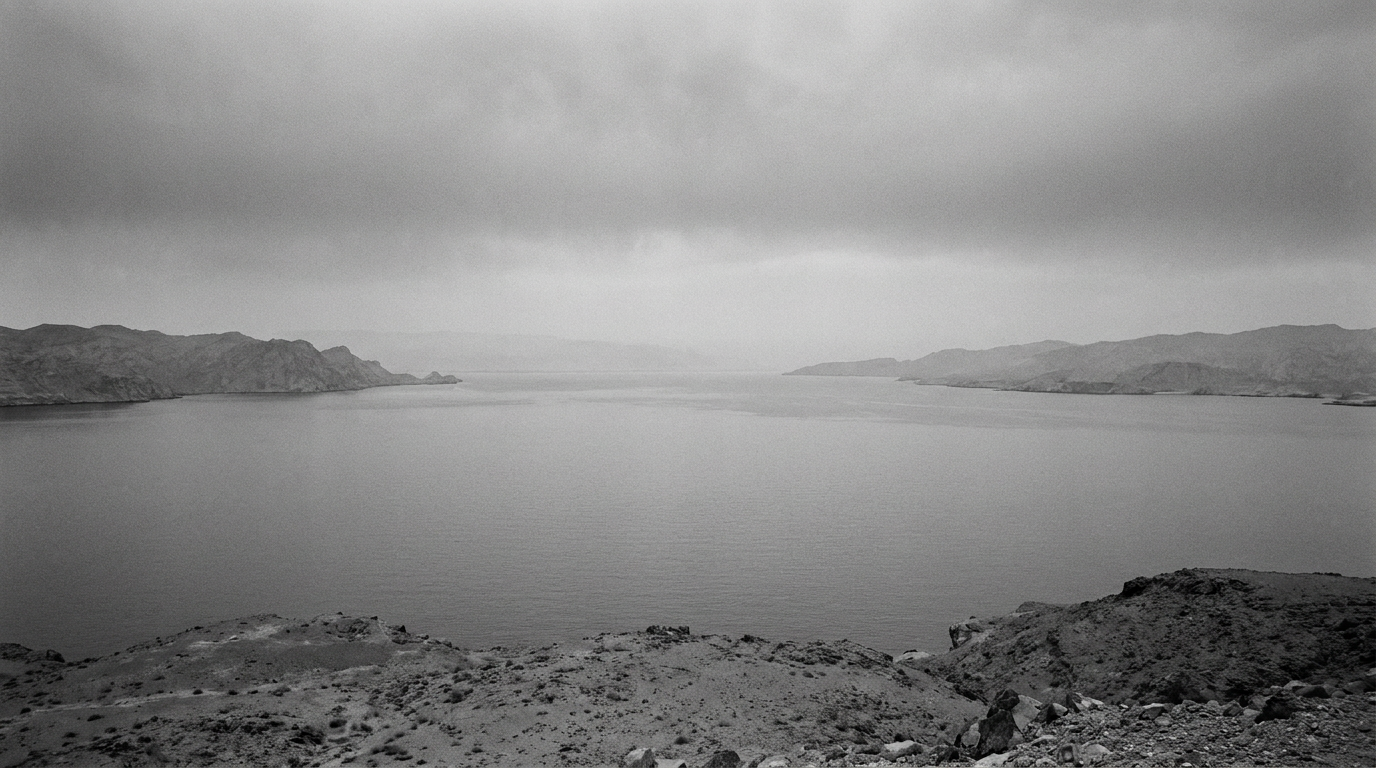
Hormuz sanctions hit two Iranian maritime firms as Washington tries to curb payments it says fund Tehran’s control of a critical oil route.
The Treasury Department announced penalties Wednesday on Persian Gulf Marine Insurance Company and HormuzSafe Marine Services Authority. Treasury said the firms require commercial vessels to buy maritime insurance before crossing the Strait of Hormuz.
The department also sanctioned eight companies it said operate shadow fleet vessels carrying Iranian oil. The move widens a maritime pressure campaign aimed not only at Iranian crude flows, but also at the payment channels around passage through the strait.
Treasury targets Hormuz payments
Treasury Secretary Scott Bessent framed the action as a defense of commerce rather than a narrow financial penalty. “The United States will not allow Iran to hold global commerce hostage or use international shipping to finance the IRGC’s terrorism, aggression, and repression,” he said in the statement.
Washington’s position is that merchant traffic should pass through Hormuz without tolls, forced coverage or permission from Tehran. That argument matters because the dispute is not only over ships, but over who sets the rules for a corridor central to energy trade and global freight planning.
Iran’s chokepoint leverage hardens
The strait has become a core front in the renewed conflict between the US and Iran. Iran effectively closed the waterway after the US and Israel launched a war against the Islamic Republic in late February, a rupture that sent global energy prices higher.
Tehran has tried to formalize its hold over Hormuz by requiring vessels to secure approval before transit. It has also fired on ships that did not comply, according to the account of the conflict, while US forces have repeatedly sought to loosen the Islamic Revolutionary Guard Corps’ grip on the passage.
The sanctions sit alongside a broader US campaign that includes a blockade of Iranian ports designed to pressure Tehran into capitulation. In policy terms, the White House is using financial restrictions, maritime enforcement and oil sanctions as overlapping tools rather than separate tracks.
Shipowners face compliance choice
For shipowners and charterers, the immediate question is whether a payment presented as insurance can become a sanctions exposure. “These new sanctions are the US government’s way of doubling down on the same message it has been sending to charterers and shipowners for months: pay Iran to for safe passage through the strait and you may be sanctioned,” said Claire O’Neill McCleskey, a former Treasury official and co-founder of Clarity Compliance Consulting.
Thomas Warrick, a former longtime DHS counterterrorism official, said the policy is meant to cut off the practical ability to pay. “Sanctions will make it difficult or impossible for freighters to pay tolls in the guise of insurance,” he said. “Both Iran and USA are digging in for a longer Cold War.”
The companies named by Treasury are the direct targets, but the burden spreads through insurers, banks, freight brokers and oil traders. Firms that avoid Iranian payment demands reduce sanctions risk, while companies trying to keep cargo moving through Hormuz may face higher compliance costs and harder financing checks.
If the sanctions deter payments, Tehran’s toll structure weakens, the named Iranian companies lose leverage, and the shipping sector gets a clearer US rulebook. If Iran keeps enforcing passage fees, global energy markets face renewed price pressure, the sanctioned firms remain instruments of state control, and shipowners must choose between legal risk and physical access.
If the conflict expands, the macro effect would run through higher transport and energy costs, while the wider maritime industry would have to price political risk into routing, insurance and charter terms.