Trump Netanyahu meeting puts Iran strategy under strain
The Trump Netanyahu meeting will focus on Iran, Lebanon and Abraham Accords diplomacy as military costs and political strains rise.
Lauren Collins ·
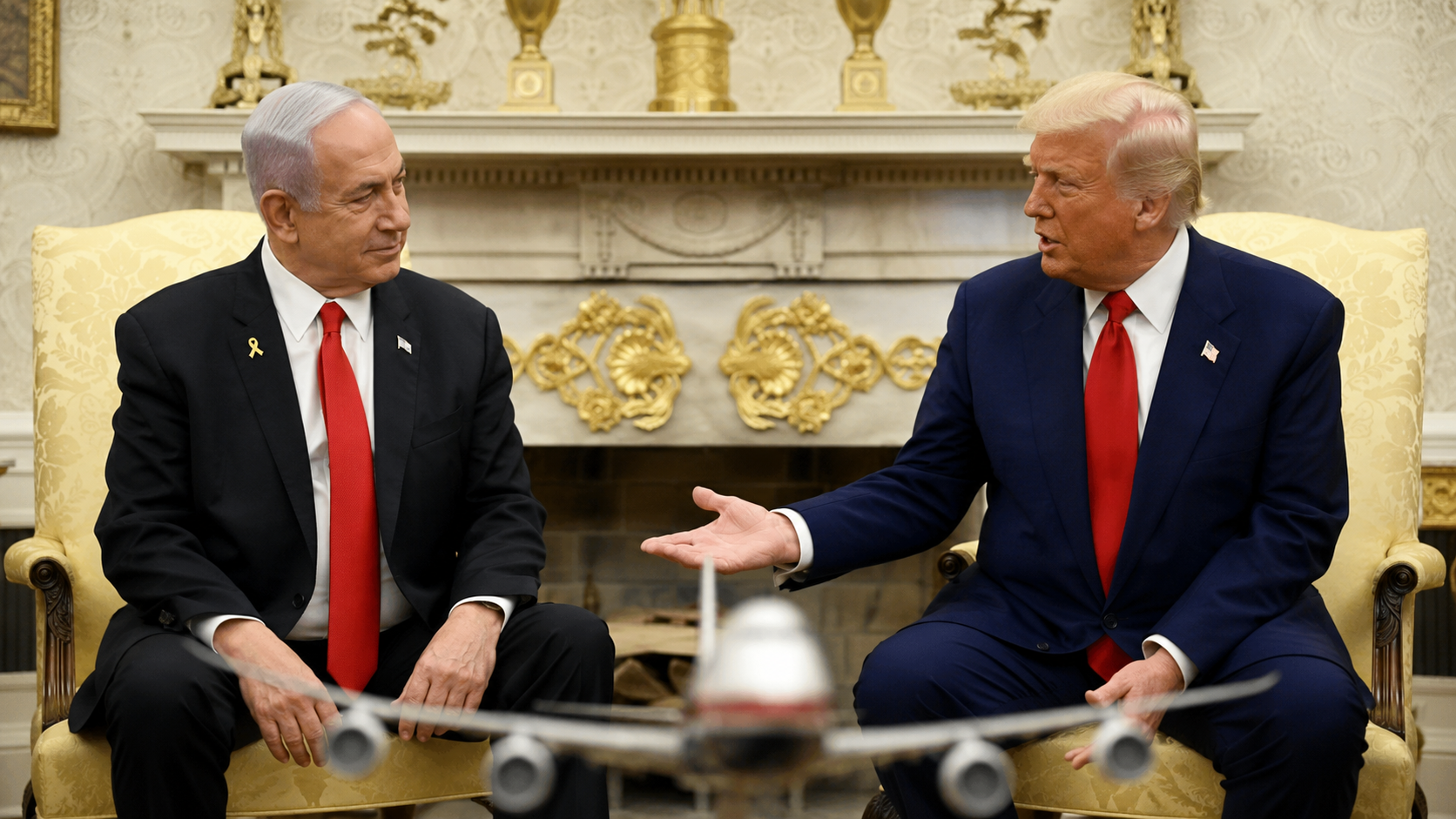
The Trump Netanyahu meeting puts Iran, Lebanon and Abraham Accords diplomacy into a White House test on Tuesday as war costs mount.
President Trump is expected to host Israeli Prime Minister Benjamin Netanyahu for talks at a moment when the Israeli leader is under pressure at home and facing weaker support in the United States, according to the source account. A White House official said Trump is also scheduled to meet Ukrainian President Volodymyr Zelenskyy on Tuesday to discuss the war in Ukraine.
Iran dominates Tuesday agenda
The White House meeting is set to cover the Iran conflict, a framework for peace in Lebanon and efforts to broaden the Abraham Accords, the official said. Netanyahu told his cabinet on Sunday that the Iran war would be central to the discussion, with no resolution described in the source material.
The timing matters because the U.S. and Israel launched Operation Epic Fury in late February, and lawmakers are now scrutinizing how the campaign is being managed. The source account says four U.S. soldiers were killed in recent days, raising the American military death toll in the war to 18.
Trump signals tactical distance
The meeting also follows visible friction between the two leaders. Asked aboard Air Force One about Netanyahu’s criticism of the planned F-35 sale to Turkey, Trump said, "Nobody tells me what we should be selling and not."
Trump also acknowledged some daylight on Iran, saying, "We have a little difference, but pretty close." Netanyahu has framed the relationship differently, saying he and Trump sometimes have "tactical disagreements" but work through them as friends.
The strain is not confined to weapons sales or diplomatic language. Trump confirmed an account that he had sharply criticized Netanyahu during a heated call, saying he had been "a little bit perturbed" by the Israeli leader’s repeated fighting with Lebanon.
War costs reach Congress
The military burden is becoming a policy fight in Washington. The Defense Department is seeking congressional approval for an additional $67 billion in supplemental funding to expand weapons production and accelerate deliveries, according to the source material.
The account also described concerns that U.S. weapons inventories are being drawn down and that some Iranian missiles and drones have been allowed to pass U.S. defenses to conserve interceptors. Mike Waltz, the U.S. ambassador to the United Nations, rejected the idea that the campaign lacks resources, saying the U.S. "has everything that it needs to conduct this campaign as effectively as it needs to be."
Waltz said Trump was giving direct talks between the U.S. and Iran "some space," while keeping all options available. That phrasing leaves the White House balancing two tracks: military pressure to deter Iran and diplomatic room to prevent a wider regional escalation.
Three paths from White House talks
If Trump and Netanyahu align on a tighter diplomatic channel, the global effect would be lower immediate risk around regional shipping and energy supply, though no market figures were provided in the source. For Netanyahu, that path would give his government a U.S.-backed way to argue that pressure is producing leverage; for defense manufacturers, congressional funding would still matter if replenishment remains a priority.
If the leaders instead leave with unresolved differences over Iran or Lebanon, the macro risk would be a longer conflict with greater pressure on U.S. inventories and regional trade routes. Netanyahu would face a harder political case at home and abroad, while the wider defense sector could see demand rise alongside sharper questions over production speed.
If Iran attacks Israel directly or through proxies, Netanyahu said Israel’s response would be "very, very forceful." In that scenario, the global effect would depend on whether fighting spreads beyond current theaters; Netanyahu’s government would likely move from diplomatic messaging to military execution, and the industry focus would shift from replenishment planning to urgent supply capacity.