Iran Seizes Two Cargo Ships in Strait of Hormuz After Trump Extends Ceasefire
Lauren Collins ·
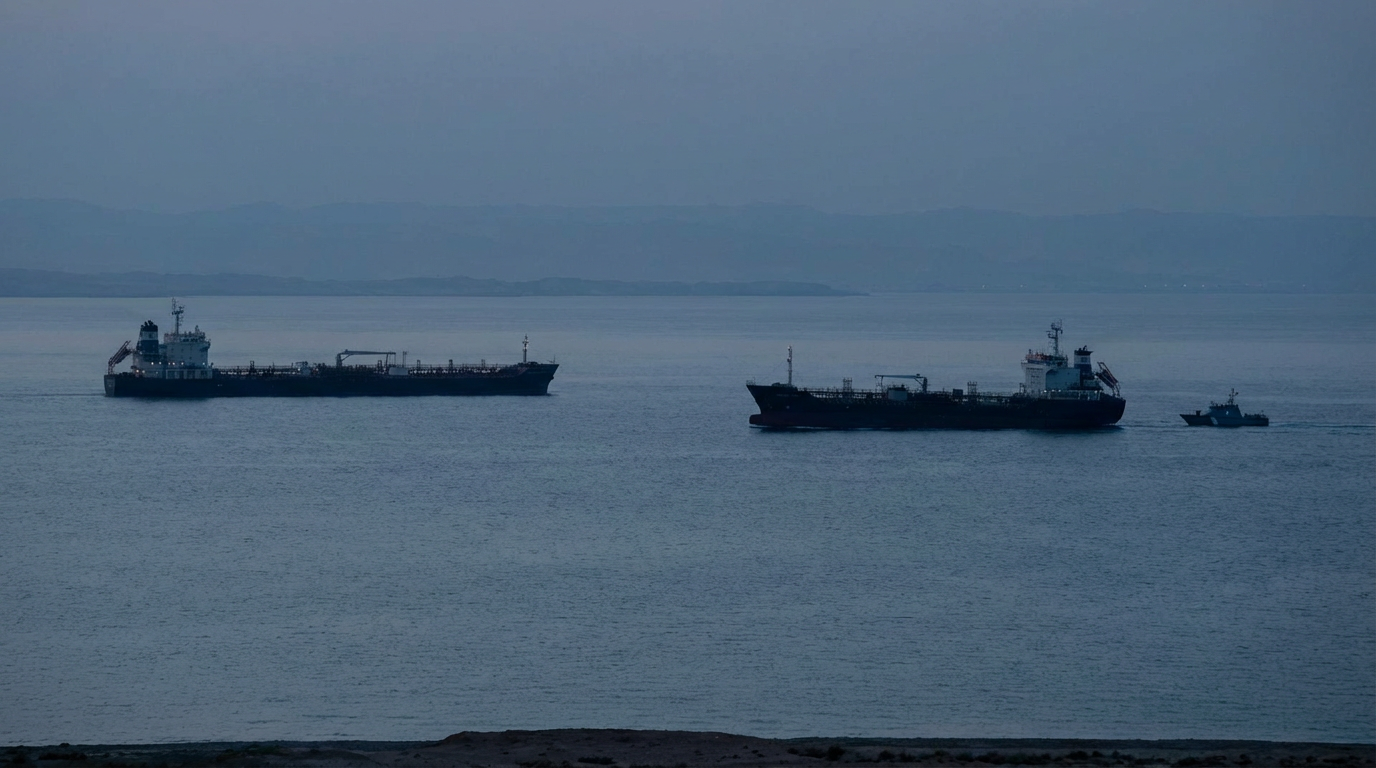
Iranian forces engaged three cargo vessels in the Strait of Hormuz on April 22. The Islamic Revolutionary Guard Corps declared that it had seized two of these ships and was directing them towards Iranian waters. This series of events occurred mere hours after Donald Trump, the US President, announced an extension of the ceasefire between Washington and Tehran. Initial reports also indicated that an additional vessel sustained damage and was left adrift near the Iranian coast.
Iranian Justification and US Pressure
Iranian authorities stated that the ships were operating without proper authorization and had interfered with their tracking systems. They characterized the seizures as an enforcement action, rather than a violation of the truce. However, the timing of these actions suggests a direct response to ongoing US pressure, specifically the naval blockade that remains in effect despite the ceasefire agreement. Tehran has previously indicated its refusal to re-engage in negotiations unless this blockade is lifted, creating a stalemate where both parties accuse the other of undermining the spirit of the agreement.
Strait of Hormuz: A Contention Point
The Strait of Hormuz has been a central point of contention since February, when Iran began restricting shipping in the aftermath of US and Israeli strikes that initiated a broader conflict. This maritime passage is crucial for a substantial portion of global oil shipments, meaning any disruption immediately impacts energy markets and supply chains. In recent days, traffic in the Strait had already significantly decreased, with only a few vessels attempting transit, a stark contrast to the more than 100 per day observed before the crisis.
Elevated Security Risks
Commercial operators now face an elevated security risk in one of the world's most vital shipping lanes. The seizure of two container ships and damage to a third vessel are likely to deter insurers and carriers from utilizing the waterway, further reducing maritime traffic. Even prior to this latest incident, vessels had been turning back or remaining idle due to uncertainty regarding enforcement actions by both US and Iranian forces.
Impact on Global Energy Supplies
This confrontation risks tightening global energy supplies at a time when markets are already under strain. Previous disruptions related to the conflict had already led to higher oil prices and concerns about potential shortages. Any sustained interference with shipping through the Strait of Hormuz could intensify these pressures, particularly for Asian economies heavily reliant on exports from the Gulf region.
Stalled Relations and Hardened Stance
The incident underscores the limited progress made towards stabilizing relations between the parties. The United States continues to enforce a comprehensive maritime blockade, while Iran has signaled its intent to retaliate against what it labels economic warfare. Internal leadership dynamics within Iran, including a more security-focused stance following recent political upheaval, may also be contributing to a hardening of its approach.
Risk of Escalation
The critical question remains whether this event signifies an isolated maritime clash or the beginning of a more widespread breakdown of the ceasefire. Independent verification of Iran's assertions regarding the vessels is currently limited, and any miscalculation by either side could rapidly escalate into open conflict. With negotiations stalled and both militaries active within the same confined corridor, the potential for further incidents remains high.