Trump Paused the Next Strike on Iran, but the Real Fight Shifted to Hormuz
Lauren Collins ·
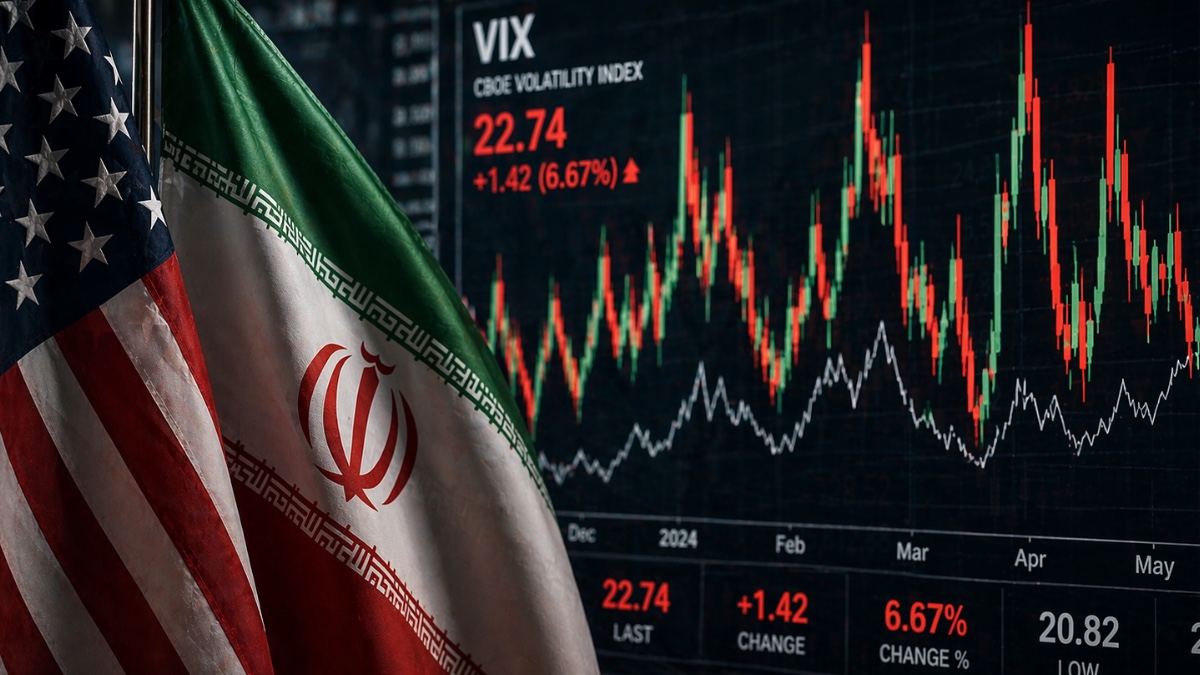
Trump prolonged the cease-fire with Iran after planned talks in Islamabad fell apart, buying time for diplomacy while preserving a naval blockade and leaving a major energy chokepoint under pressure.
Diplomatic Opening Closes
President Trump extended the U.S. cease-fire with Iran on Tuesday after talks expected in Islamabad failed before they began, leaving Washington to balance a fresh military push against a longer diplomatic wait. According to U.S. officials, Trump asked aides whether attacks should resume after Iran backed away from the meeting. By late Tuesday, he chose to keep the truce alive while maintaining pressure until Tehran produces a new offer.
Tuesday's Developments
The day had started with much more optimism inside the White House. Officials believed Vice President JD Vance could travel to Islamabad and secure written terms from Iran, with Pakistani intermediaries signaling that Tehran’s team was also prepared to go. That plan unraveled as the deadline approached, Air Force Two remained parked at Joint Base Andrews, and the trip was first paused and then delayed indefinitely.
White House Debate
Trump spent the day in rapid-fire meetings with Vance, senior national-security officials, Jared Kushner and Steve Witkoff, all of whom had been expected to join the Islamabad push. Advisers told the president that Iran’s leadership appeared divided, with harder-line factions resisting concessions and raising doubts about whether any commitment could hold. Those concerns sharpened the central question for Trump: whether more bombing would force movement or deepen a war that many Americans want ended.
Pressure Without Settlement
The White House settled on a middle course. Trump said the cease-fire first announced on April 7 would remain in place until Iran submits a new proposal and talks are resolved one way or another. At the same time, the U.S. kept its naval blockade on traffic to and from Iranian ports, a move Tehran called a breach of the truce and one that has become a core obstacle to restarting diplomacy.
Hormuz Economic Flashpoint
The most immediate impact is on global energy and shipping. Brent crude briefly climbed above $100 a barrel after the Islamabad meeting fell apart, reflecting fears that the Strait of Hormuz — a route for roughly a fifth of the world’s oil and liquefied natural gas flows — could remain effectively shut. S&P 500 futures still rose, suggesting investors took some comfort from the absence of an immediate return to war even as the supply risk stayed in place.
Tehran's Leverage
Iran has tied any reopening of Hormuz and any resumption of talks to an end to the U.S. blockade. Its leaders entered earlier talks believing their control over the waterway, combined with missile and drone threats to Gulf infrastructure, gave them bargaining power. But the U.S. has tried to erode that advantage, including by boarding a sanctioned crude tanker in the Indian Ocean as part of a wider campaign against Iran’s shadow fleet.
The Road Ahead
The standoff now turns on whether either side is willing to make the first visible concession. Trump appears reluctant to restart a bombing campaign that could raise fuel costs and drag out an unpopular conflict, yet he has also boxed himself in by threatening renewed force if diplomacy stalls. The risk is that a cease-fire without progress becomes a holding pattern: the shooting may be paused, but oil flows, inflation pressures and the chance of a wider regional shock remain very much in play.