Netanyahu faces Supreme Court fight over media regulator
Israel's cabinet rejected a Supreme Court ruling on television regulation, intensifying a fight over judicial authority before an October election.
Lauren Collins ·
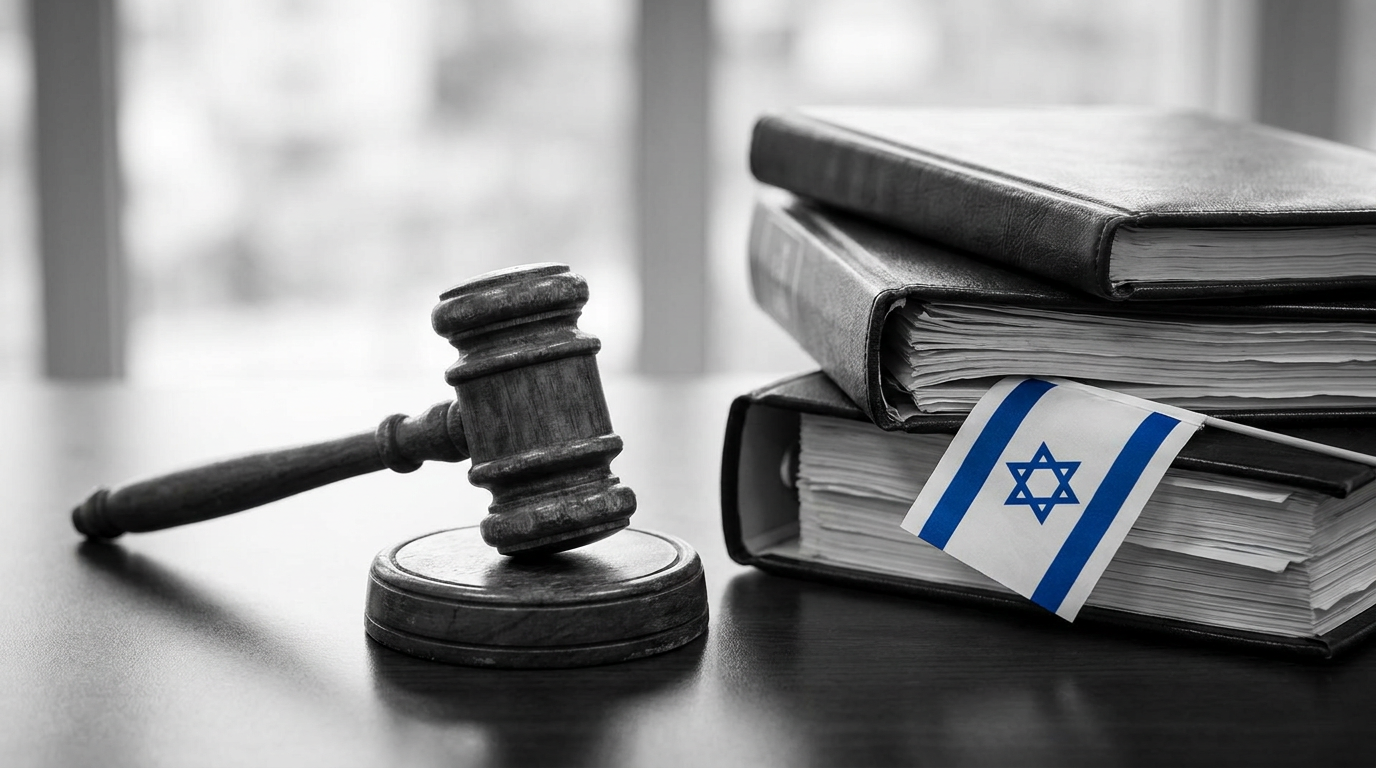
Israel's Supreme Court faces an open cabinet challenge after ministers rejected its ruling on a television regulator board. The clash raises risks before an October election.
The cabinet's Sunday decision said it would not recognise actions by the existing board of the Second Authority for Television and Radio. The move followed a Supreme Court ruling last month that found the government's proposed alternative board to be illegal.
Cabinet confronts court ruling
The dispute has been running since March, when the government sought to reshape the body that supervises commercial television and radio. The authority handles licensing and content approvals, giving the board practical influence over a sector that is politically sensitive and commercially exposed.
Communications minister Shlomo Karhi directed his criticism at the court, saying: "You have no authority to trample the law — a ruling that contradicts the law will not be recognised, and decisions made under its authority are null and void." His statement framed the court's decision as an overreach rather than a binding legal order.
Justice minister Yariv Levin went further by arguing that parliamentary acts cannot be invalidated by judges. "The rule of law means that the law binds everyone, including the court. In a democratic state, the [parliament] enacts the law, and the court is obligated to implement it," Levin said.
Herzog warns against defiance
President Isaac Herzog rejected the cabinet's posture in a post on X, writing: "Non-compliance with a court ruling is a red line that must not be crossed under any circumstances." His intervention put the dispute beyond media regulation and into the core question of whether court orders bind the executive.
Opposition leaders described the cabinet decision as a power grab and warned it could establish a template for future refusals to obey the court. Their concern is sharpened by the timing: Israel is expected to hold a general election in October, when disputes over rules, candidacies or procedures could end up before judges.
TV board becomes constitutional test
The narrow issue is the composition of the Second Authority's board, but the legal consequence is wider. If the government can disregard a ruling on a regulator, critics argue, it may claim similar authority in disputes with greater democratic weight.
The fight also lands after a prolonged confrontation between Prime Minister Benjamin Netanyahu's coalition and the judiciary. Levin has been a central advocate of curbing judicial power, while opponents have argued that weakening court review would leave fewer checks on the parliamentary majority.
For commercial broadcasters, the immediate uncertainty is operational. Licensing decisions and content approvals depend on the regulator's recognised authority, so a fight over which board is valid can complicate routine decisions and expose media groups to legal challenges.
Three paths for Israel's institutions
If the cabinet treats Sunday's decision as confined to the TV regulator, the global effect is likely to stay in the realm of political risk rather than economic disruption. The Second Authority would remain the institution under direct pressure, while the wider media sector would watch for delays or conflicting instructions on licensing and oversight.
If ministers apply the same logic to future Supreme Court decisions, the impact would be larger. International partners and investors often read judicial independence as part of institutional stability; for the regulator, the question would become whether its decisions carry legal certainty, while other sectors would face doubts over whether courts can settle disputes with the state.
A third path is institutional pullback, either through compliance with the ruling or a political compromise that avoids a direct breach. That would lower immediate pressure on the Second Authority and reassure broadcasters, but it would not resolve the deeper argument over whether parliament or the court has the final word when laws collide with judicial review.
The next signals will be practical rather than rhetorical: whether ministries follow the existing board's decisions, whether new legal petitions are filed, and how election-related disputes are handled before October. Those steps will show whether Sunday's move was a contained confrontation or the start of a broader challenge to judicial authority.