Kyiv attack kills nine as missile defense pleas grow
Kyiv attack killed nine people and injured at least 30 as Ukrainian officials pressed allies for more missile defenses.
Lauren Collins ·
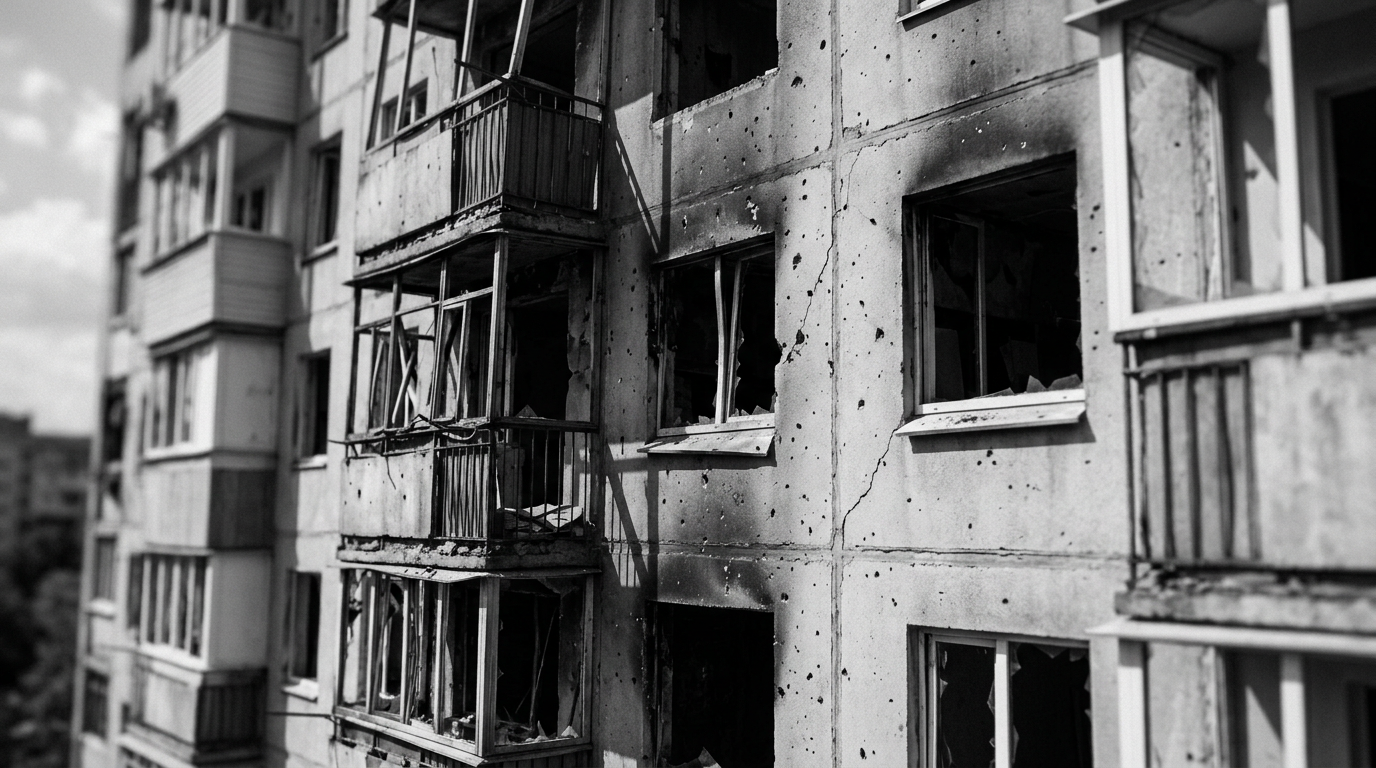
Kyiv attack killed nine people and injured at least 30 as Ukraine sought more air-defense weapons from allies after an overnight barrage.
Ukrainian officials said Russia struck the capital with ballistic missiles and attack drones, damaging homes, other buildings and infrastructure. The assault turned air-defense supplies into the immediate political question, because Kyiv said it intercepted only one of roughly 27 Iskander-type ballistic missiles.
Nine dead in Kyiv
Mayor Vitali Klitschko called it “A horrific night for Kyiv” in a Telegram post, saying ballistic missiles hit the city and fires broke out in five districts. He said residential and non-residential buildings, along with other infrastructure, were damaged or destroyed.
The casualty count, reported by Ukrainian officials, stood at nine killed and at least 30 wounded. The figures may change as emergency crews inspect damaged sites and search through affected buildings.
Ukraine’s General Staff said Russian forces used air-launched and ground-launched missiles of several types. It reported detecting 358 aerial attack weapons, including 35 missiles and 185 UAVs of various types, during the overnight assault.
Patriot shortage takes focus
President Volodymyr Zelenskyy said the low interception rate reflected a shortage of interceptors for Patriot air-defense systems. He said only one of about 27 Iskander-type ballistic missiles was brought down “simply because there are no interceptors for the Patriot systems.”
The statement put the attack in the center of Ukraine’s broader campaign to secure more anti-missile capacity. Ballistic missile defense depends not only on launchers and radars, but also on a steady supply of compatible interceptor missiles.
Foreign Minister Andrii Sybiha urged allies to supply additional air and missile defense systems and interceptors urgently. His appeal framed the Kyiv attack as both a civilian emergency and a test of whether Ukraine’s partners can sustain protection against repeated missile salvos.
Fires across five districts
The direct impact falls first on Kyiv residents, emergency services and city infrastructure. Fires in five districts suggest the assault was not confined to a single target area, while damage to residential buildings raises the pressure on local authorities to shelter displaced residents and restore utilities.
For Ukraine’s defense command, the attack highlights the difference between countering drones and stopping ballistic missiles. Drones can be numerous and disruptive, but ballistic missiles leave defenders with less time and fewer interception options, especially when interceptor stocks are thin.
The wider defense sector also faces a capacity problem if attacks continue at this scale. More launchers help only if production lines, export approvals and allied inventories can provide the interceptors needed to keep them operational.
Allies weigh missile stocks
The macro effect is military rather than financial in the immediate term: Ukraine’s ability to defend its capital shapes the durability of its wartime economy and the confidence of foreign supporters. If Kyiv can preserve critical infrastructure and public services, the government has more room to keep economic activity functioning under attack.
If allies deliver more Patriot interceptors and compatible systems quickly, Ukraine could improve its chances against future ballistic attacks. That path would ease pressure on Kyiv, strengthen Ukraine’s central defense posture and signal to the wider air-defense industry that high-end interceptor demand will remain urgent.
If supplies arrive slowly or in limited quantities, Kyiv may face more nights in which incoming ballistic missiles outpace available defenses. That would increase risk for civilians, deepen strain on Ukraine’s emergency services and force allied governments to confront the trade-off between their own stockpiles and Ukraine’s battlefield needs.
A third path depends on Russia’s attack mix. If Moscow keeps combining drones with ballistic and other missiles, Ukraine will need layered defenses that can handle cheap UAVs without exhausting the interceptors needed for faster, more destructive threats.
The open questions are concrete: how many interceptors allies can release, how fast replacements can be produced and whether future barrages repeat the same scale. Those answers will determine whether the Kyiv attack becomes a single deadly night or part of a more punishing pattern for the capital.