Germany threat level rises as spy powers face cabinet vote
Germany raised its terrorist threat assessment as Berlin prepares legislation to expand intelligence powers in acute security cases.
Lauren Collins ·
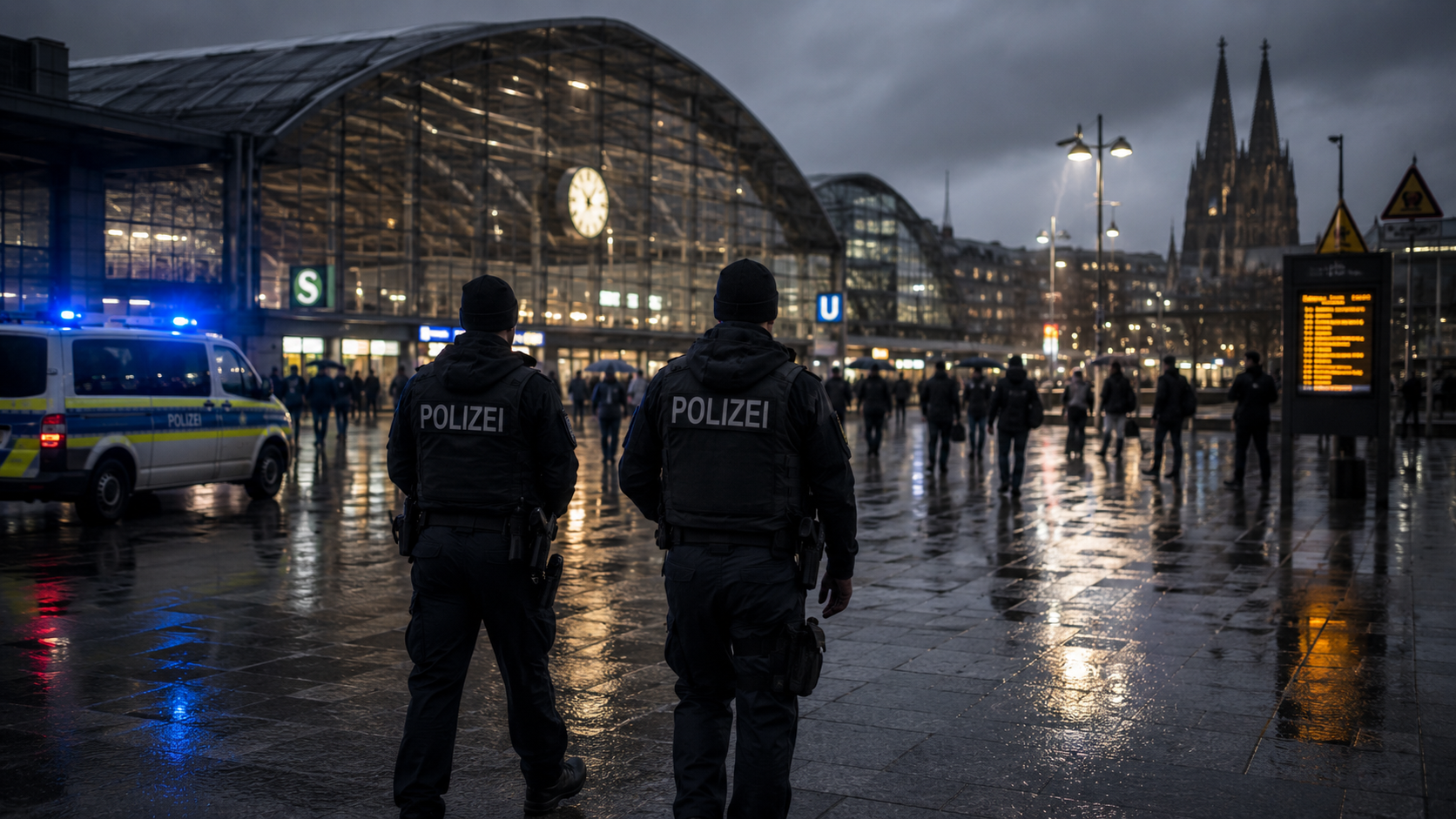
Germany threat level has been raised after officials cited intelligence on possible terrorist attacks against infrastructure, people and institutions.
Interior Minister Alexander Dobrindt said the change reflects a heavier flow of security reporting and intelligence reaching German authorities. “The increased volume of reporting and intelligence has prompted me to raise the previously defined abstract threat level to a high threat level,” he said in a published interview.
Dobrindt said Germany now has to assume that an attack risk can emerge without warning. He also said authorities had detected specific plans involving possible targets such as infrastructure, private individuals and public institutions.
Aug. 13 bill test
The raised assessment lands as Chancellor Friedrich Merz’s government prepares a bill that would give intelligence agencies a more active role in acute terrorism cases. Ministers are due to take up the proposal on Aug. 13, according to Dobrindt.
Under Germany’s current security model, intelligence agencies mainly gather and assess information while police carry out coercive action. The proposed shift would allow agency officers to act directly in narrowly defined high-risk situations, Dobrindt said.
One example given by the minister was a terrorism case in which police could not arrive quickly enough. In that scenario, intelligence officers could be allowed to enter and search homes, a step that would mark a sensitive expansion of operational authority.
Infrastructure plots sharpen response
Dobrindt linked the tougher posture to recent casework by German security services. He said authorities had stopped a planned bombing by people recruited through foreign intelligence services, without giving further details in the source material.
The emphasis on infrastructure matters because attacks on transport, energy, communications or public buildings can create effects beyond casualties. Even a failed plot can force higher security spending, slow public operations and change how authorities manage large events.
For Merz’s government, the legislative question is how to accelerate response times without weakening legal safeguards around domestic surveillance and searches. For the intelligence agencies, the proposal would shift them closer to front-line action in rare cases rather than limiting them to warning and analysis.
Three paths for security powers
If the cabinet approves the bill largely as Dobrindt described it, Germany’s security agencies would gain a faster intervention channel during acute terrorism cases. That could strengthen coordination against cross-border networks, while increasing scrutiny from lawmakers and civil liberties groups over how “high-risk” cases are defined.
If parliament narrows the proposal, the government may still win new tools but with tighter judicial or procedural checks. If the bill stalls, police would remain the main direct-response arm, leaving intelligence services with their existing warning role even when time is short.
The open questions are concrete: who authorizes a home search, how quickly courts are involved and what threshold triggers intelligence-led action. Legislators will also have to decide how to handle cases tied to foreign intelligence services, where speed, secrecy and admissible evidence often pull in different directions.