South China Sea Tensions Rise After 14-Nation Beijing Rebuke
China rejected a 14-nation South China Sea statement marking an arbitration ruling, sharpening a dispute that weighs on regional diplomacy.
Lauren Collins ·
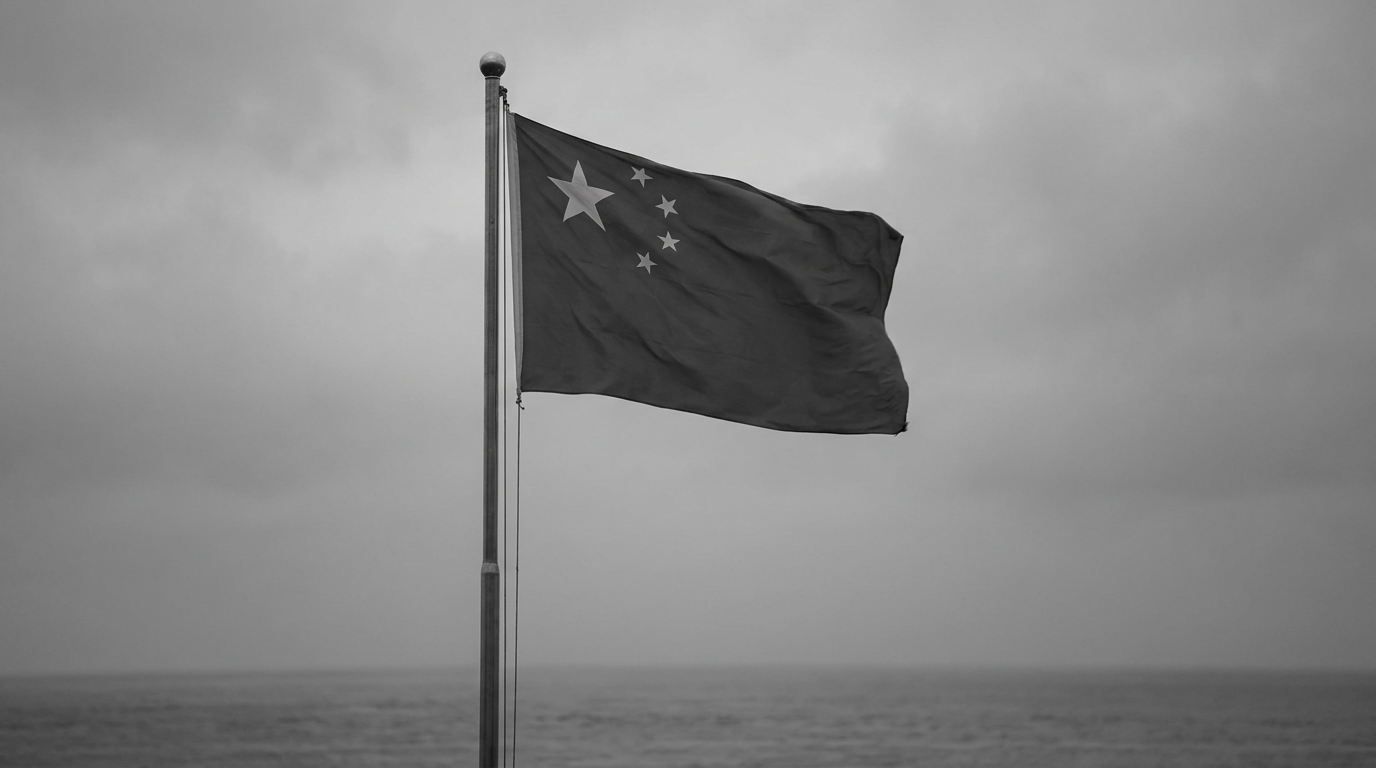
South China Sea tensions flared as China rejected a 14-nation statement backing a decade-old arbitration ruling against Beijing's claims.
Fourteen governments answer Beijing
The coalition, led by the United States and including Japan and the Philippines, used the anniversary to oppose "any destabilizing or unilateral actions" that could weaken regional stability. China answered by restating that it does not accept the arbitration outcome, keeping its long-running legal and diplomatic position unchanged.
The exchange matters because the South China Sea dispute is not only about maps. It cuts across sovereignty claims, access to reefs and islands, coast guard activity, fisheries, energy exploration and the credibility of international dispute settlement in one of Asia's most sensitive waterways.
A decade-old ruling returns
The arbitration decision rejected China's broad claim over large areas of the sea, according to the source account. Beijing has treated the ruling as invalid, while governments aligned with Manila have continued to cite it as a legal reference point in disputes over maritime conduct.
China's state media sharpened the official message by calling the joint statement "a piece of waste paper." That language signals that Beijing is not merely disputing the coalition's wording; it is challenging the statement's authority to shape behavior in waters China regards as tied to its sovereignty.
Manila relationship feels the strain
The Philippines sits near the center of the dispute because it was named among the countries backing the statement and remains directly exposed to friction with China at sea. China's ambassador to the Philippines described the issue as a "thorn" in the relationship, a phrase that captures how legal disagreement can spill into routine diplomacy.
For Manila, the coalition statement offers diplomatic reinforcement without resolving the operational problem of how to manage encounters around contested features. For Beijing, rejecting the statement preserves its claim posture, but it also keeps the dispute active in a wider alignment involving the United States, Japan and other governments.
The industry effects are indirect but real. Shipping, insurance, offshore energy and fisheries operators do not need a formal crisis to adjust their reading of risk; repeated diplomatic clashes can make legal clarity, patrol patterns and coast guard behavior more important to daily planning.
Risk channels widen beyond reefs
If the dispute stays confined to statements, the global effect runs mainly through risk perception rather than immediate economic disruption. China would maintain its legal stance, the Philippines would retain external diplomatic support, and maritime industries would monitor official language for signs of a shift from rhetoric to enforcement.
If patrols or enforcement actions follow the rhetoric, the mechanism changes. Governments may face pressure to show presence at sea, China would absorb higher diplomatic costs, and companies operating in or near contested waters would treat the area as a more contested environment.
The main uncertainty is whether the anniversary statement remains a symbolic marker or becomes a trigger for further diplomatic coordination. The next signals will come from official responses, maritime activity near disputed features and whether Manila and Beijing can keep the dispute from dominating the rest of their relationship.