Iran war strikes enter seventh night as Hormuz stalls again
Iran war strikes reached a seventh night as the U.S. denied Iranian claims of wider attacks and Hormuz traffic was reported stalled.
Lauren Collins ·
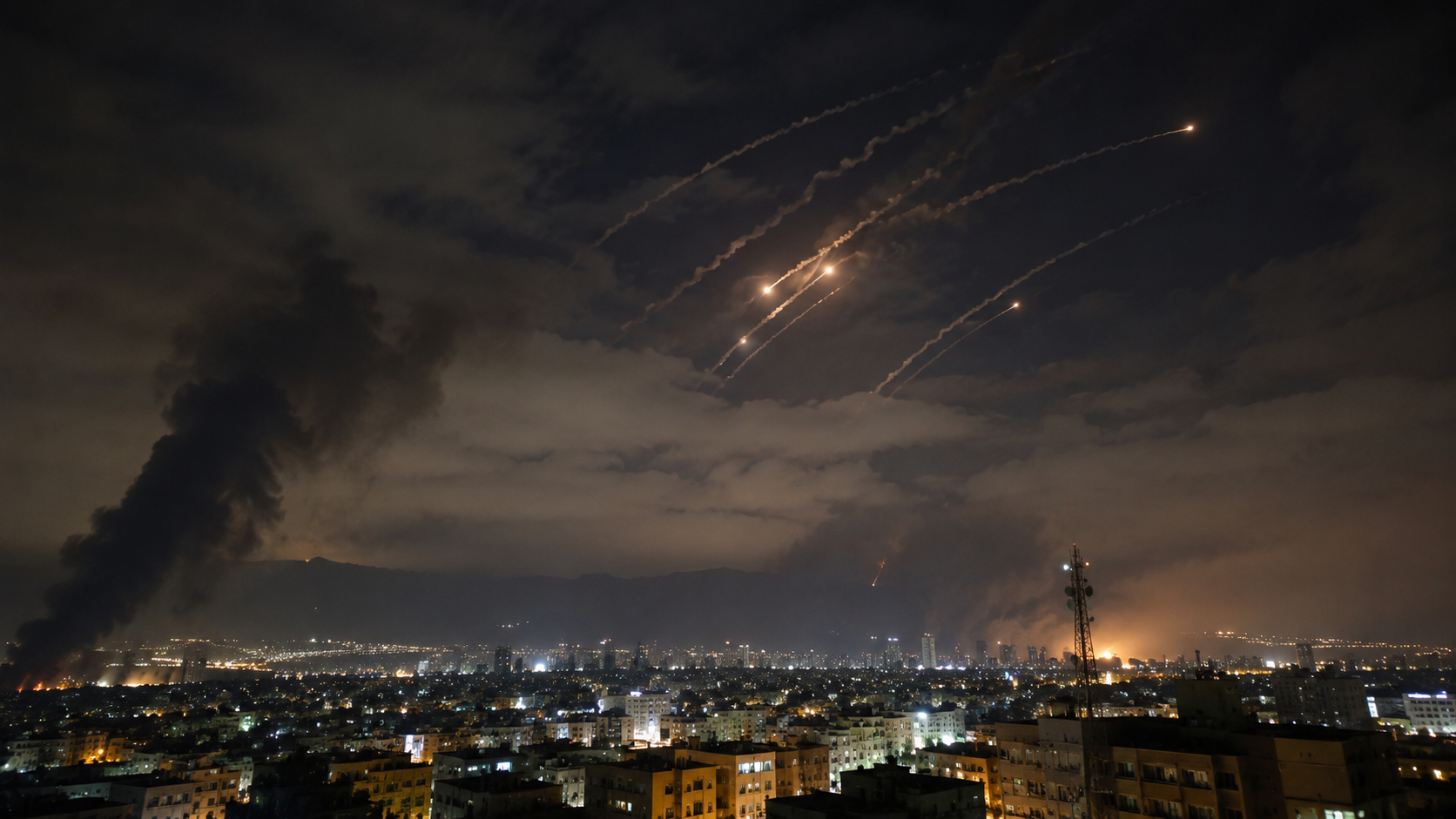
Iran war strikes reached a seventh straight night Friday, while traffic in the Strait of Hormuz froze as U.S.-Iran hostilities escalated.
The U.S. military said it had completed another round of attacks on Iranian targets, extending a nightly campaign to one full week. Iran's Revolutionary Guards, meanwhile, claimed fresh strikes on U.S. military facilities across the Middle East, a version of events the U.S. military rejected Friday.
Seven nights of U.S. strikes
The immediate change is tempo. A conflict that had already pulled in U.S. assets, Iranian forces and regional host governments has moved into a pattern of repeated nightly strikes rather than isolated exchanges.
For Washington, the stated fact is operational continuity: the U.S. military says the campaign has continued night after night. For Tehran, the competing message is reach, with the Revolutionary Guards alleging attacks on sites in Syria, Kuwait, Oman, Bahrain and Jordan.
Those claims remain contested. The U.S. military denied the Iranian account of Friday's regional strikes, leaving a central uncertainty over what was attempted, what landed and what was intercepted or never occurred.
Jordan bases draw new attention
The clearest reported U.S. personnel impact came in Jordan. Multiple U.S. officials cited in the source material said Iran attacked at least two Jordanian bases this week, injuring several American service members after their facility was struck.
No precise injury count, unit identification or medical status was provided. That matters because casualties, even limited ones, can narrow political room for de-escalation and increase pressure on commanders to harden regional positions.
Jordan sits in a difficult position when U.S. forces are targeted from across the region. Host governments gain security backing from Washington, but they also absorb domestic and diplomatic risks when foreign bases become visible parts of a widening fight.
Hormuz pressure reaches shipping
The Strait of Hormuz reference moves the story beyond military installations. The available account said traffic had frozen there, but it did not provide vessel numbers, a closure notice, a duration or an official explanation for the disruption.
Even without those missing details, the mechanism is clear: when a strategic Gulf waterway appears unsafe, ship operators, insurers and energy buyers reassess routes, schedules and exposure. The first effect is operational friction; the second can be higher risk pricing across cargoes tied to the Gulf.
If U.S. strikes continue at the current rhythm, the global macro effect would most likely run through energy logistics and risk premia rather than immediate production data. The U.S. military would face a higher force-protection burden, while regional shipping, ports and insurers would have to plan around delays and potential rerouting.
If the two sides instead limit the next exchange or open a channel through intermediaries, pressure around Hormuz could ease as carriers regain confidence in predictable passage. That path would give U.S. planners time to assess damage and casualties, while reducing the incentive for regional states to distance themselves publicly from U.S. operations.
A third path is a contested information war without clear escalation, where Iran continues to claim wide attacks and the U.S. denies them unless damage is confirmed. That would keep markets, militaries and host governments reacting to incomplete signals, with the widest industry impact falling on shipping firms and defense contractors tied to regional readiness.