Yaroslavl refinery strike tightens Russian fuel crunch
Yaroslavl refinery was hit by Ukrainian forces, Kyiv said, adding pressure to Russian fuel supplies and energy infrastructure.
Omar Farouk ·
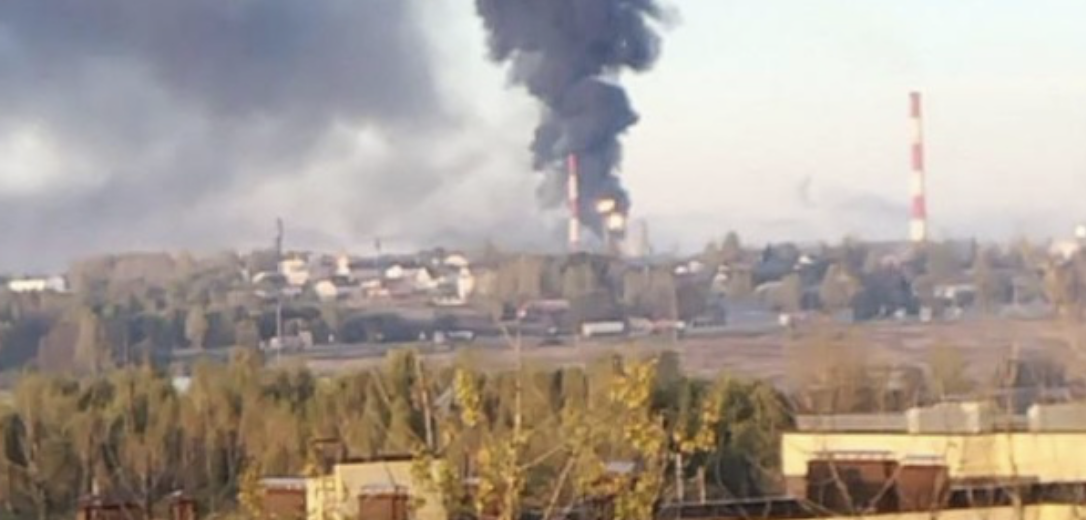
Yaroslavl refinery was hit by Ukrainian forces, Kyiv said, adding pressure to Russia's fuel supply as drone attacks expand.
Ukraine's General Staff said in a Friday statement that the strike caused a fire at the Yanos refinery site northeast of Moscow. The reported attack matters because the facility was built to supply fuel to the Russian capital and surrounding regions, placing a domestic supply asset inside the war's widening energy battlefield.
Yanos fire reaches Moscow supply chain
The refinery has a design capacity of about 300,000 barrels a day, according to the source material. It sits about 280 kilometers, or 175 miles, northeast of Moscow and has been struck more than once, including an attack reported in early July.
NASA's Fire Information for Resource Management System showed heat anomalies on the edge of the Yanos site in images captured on July 16. Those readings may indicate fires, but satellite heat signatures alone do not confirm the scale of damage or how long operations may be affected.
Drone campaign pressures Russian refining
The Yaroslavl refinery strike fits a broader Ukrainian campaign against Russian energy assets, with attacks described as almost daily in the source material. Kyiv's strategy has increasingly focused on fuel infrastructure because refineries convert crude into gasoline, diesel and other products used by civilians, industry and the military.
Russian oil-processing rates in the first half of July fell to the lowest level in more than two decades, according to EA Analytics. That decline deepens a domestic fuel crunch because lower refinery runs can tighten supplies even when crude production continues.
Black Sea tanker fire widens risk
The pressure on energy logistics was not limited to Yaroslavl. The Caspian Pipeline Consortium confirmed that overnight drone strikes set fire to the Nordic Zenith tanker, which had been scheduled to load crude at the CPC terminal off Russia's Black Sea coast.
The CPC terminal is the main export route for crude from Kazakhstan and also handles some Russian barrels. Any repeated disruption there would affect more than Russia's domestic fuel market, because Kazakhstan depends on that corridor to move oil to global buyers.
Russia's Defense Ministry said Friday that its forces continued air strikes on Ukraine's ports of Odesa and Chornomorsk. The parallel attacks underline how both sides are targeting transport and energy nodes that connect military pressure with economic costs.
Three paths for fuel markets
If Ukrainian strikes keep curbing refinery operations, the macro effect would be a tighter regional fuel balance and higher stress on alternative supply routes. For Gazprom Neft PJSC, which co-owns the Yanos facility, the immediate issue would be repair timing, utilization rates and the ability to redirect product flows. For the wider refining sector, repeated drone damage could force more spending on air defense, storage protection and operational redundancy.
If Russia restores damaged units quickly and intercepts more drones, the pressure on domestic fuel availability could ease. In that path, Gazprom Neft's exposure would be more about episodic outages than lasting capacity loss, while the industry would still face higher security costs and planning uncertainty.
A third path runs through export infrastructure rather than refineries. If attacks around the CPC terminal persist, the macro impact could spread through crude logistics, while Gazprom Neft would remain more exposed through Russia's domestic fuel system than Kazakhstan's export route. The key uncertainties are the extent of damage at Yanos, the duration of any outage, and whether drone attacks continue at their recent pace.