Russia faces Ukraine drone strikes near Crimea supply hubs
Ukraine drone strikes have disrupted Crimea’s fuel and water supplies, driving emergency measures and exposing a pressure point for Moscow.
Lauren Collins ·
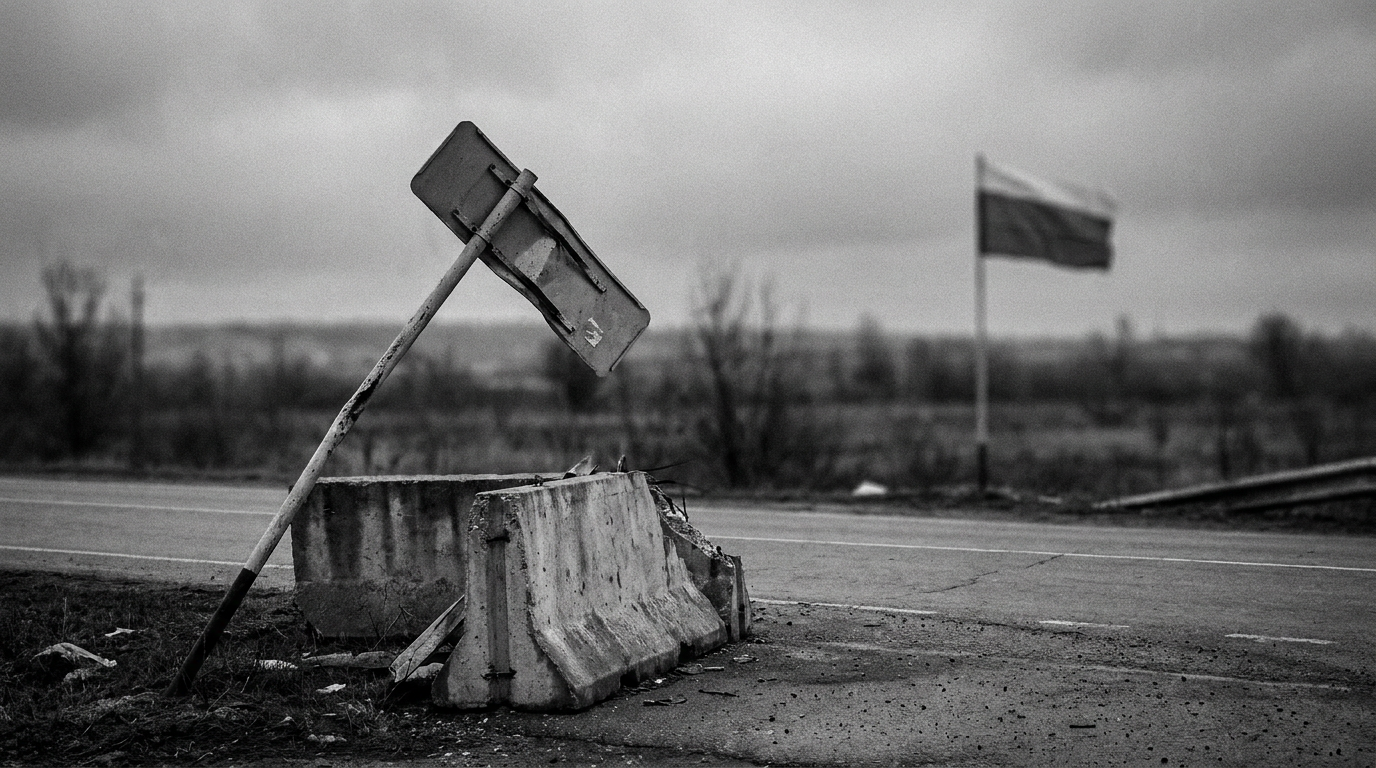
Ukraine drone strikes are turning Crimea’s water and fuel reliance on Moscow into a wartime liability for Russia and residents.
Azov attacks reach Crimea
Kyiv’s campaign in the Sea of Azov has shifted attention to Crimea, where drone attacks are testing Russia’s ability to protect a territory it seized in 2014. The supplied account says the strikes have disrupted the flows the peninsula depends on from Moscow, giving Ukraine a way to impose costs away from the main front lines.
The pressure is political as well as logistical. Crimea has long been treated by the Kremlin as a trophy of Russian power, but the latest disruptions present it as an exposed asset that requires fuel, water, electricity and air defenses to remain stable.
Crimea’s supply chain narrows
The report says interruptions to fuel deliveries and water supplies have contributed to an emergency declaration, repeated power cuts and rationing across the peninsula. Crimea has about 2.5 million residents, making shortages a civilian issue as well as a military and political problem for Moscow.
For Ukraine, the message is that Russian control does not equal Russian security. By targeting the systems that keep Crimea functioning, Kyiv is trying to show that President Vladimir Putin cannot fully shield a territory central to his war narrative.
Moscow’s Crimea problem widens
Russia annexed Crimea from Ukraine in 2014, a move Kyiv rejects and the supplied source describes as illegal. Since then, the peninsula has carried an outsized symbolic role in Moscow’s claims over Ukrainian territory, which is why disruption there has more impact than a routine infrastructure strike.
The immediate burden falls on residents facing rationed supplies and unreliable power. The broader burden falls on Russian planners, who must decide whether to divert air defenses, repair crews and fuel logistics toward Crimea while sustaining military operations elsewhere.
Three paths from Azov attacks
If Ukraine can keep supply routes under strain, the effect would be cumulative: more emergency measures in Crimea, higher protection costs for Russia and added pressure on regional logistics networks. The global macro channel would likely remain limited unless fighting begins to affect wider Black Sea or Azov shipping, but energy and transport insurers would watch any expansion closely.
If Russia restores deliveries and hardens defenses, the pressure on civilians could ease, but the cost of holding Crimea would rise. There is no named company at the center of the supplied account, so the company-level effect is not directly applicable; the closest commercial exposure would sit with unnamed logistics, fuel and infrastructure operators serving the peninsula.
If the campaign escalates, the risk is a broader contest over ports, fuel routes and power infrastructure around the Sea of Azov. The key uncertainties are the scale of physical damage, the duration of shortages, Russia’s ability to repair damaged systems and whether Ukraine can sustain strike frequency without opening new vulnerabilities of its own.