Iran MOU Offers Oil Waivers, Hormuz Reopening in 60-Day Talks Window
U.S.-Iran memo could reopen Strait of Hormuz, extend ceasefire, and tie sanctions relief to compliance. Tehran has not confirmed final approval.
Lauren Collins ·
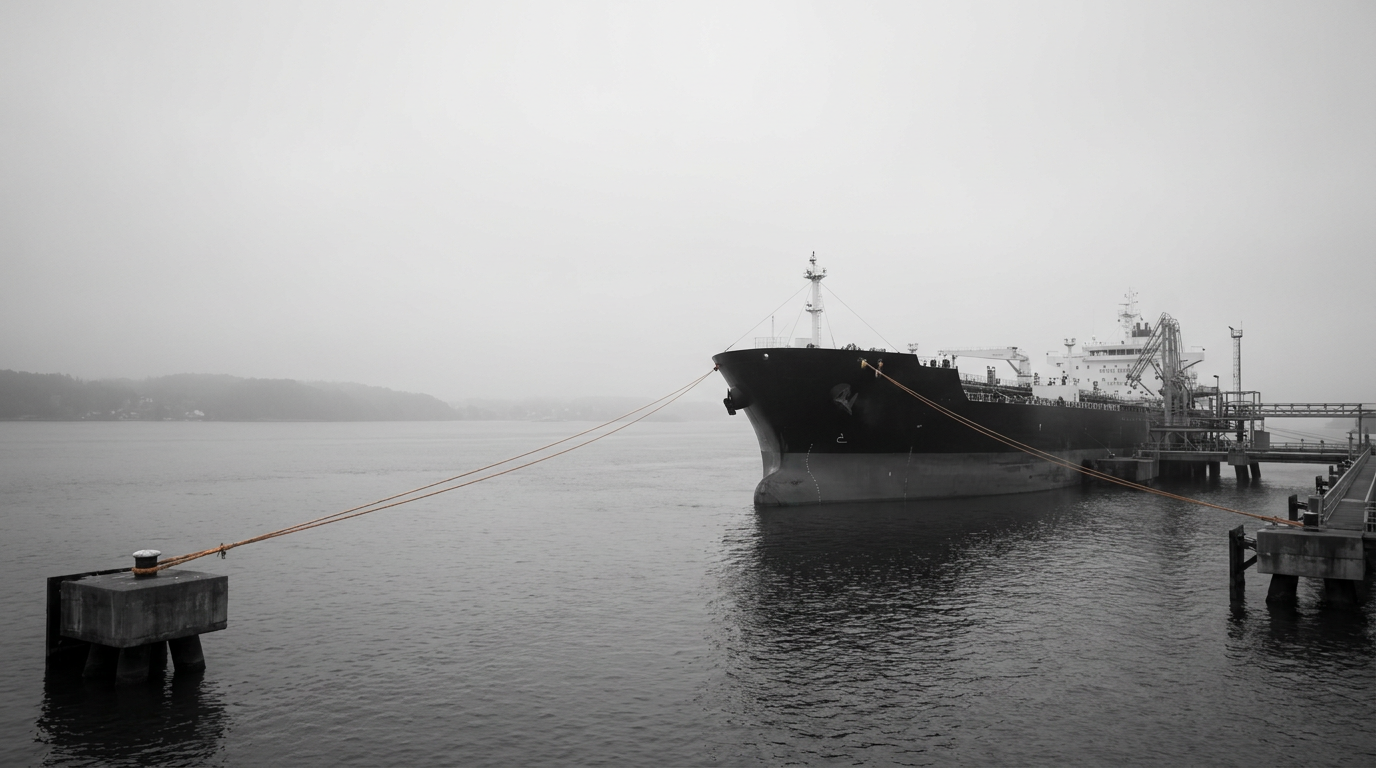
A draft U.S.-Iran memorandum of understanding would reopen the Strait of Hormuz without tolls, extend a ceasefire for 60 days and give Iran sanctions relief only if it meets agreed conditions, according to Axios, which cited a U.S. official and a diplomat from a mediating country. The document is not yet a final peace deal. It is designed as a short-term framework that would lower military pressure, restore shipping flows and create time for talks on Iran’s nuclear program. Tehran’s foreign ministry has said Iran has not reached a final decision, while President Trump has said a signing could happen in Europe soon.
A 60-Day Clock Starts
The draft would keep the ceasefire in place for two months, including in Lebanon, while negotiators pursue a fuller nuclear agreement. That timing matters because the memorandum appears to separate the urgent problem of regional fighting and maritime disruption from the harder question of what Iran must do with its enriched uranium. CBS reported that a memorandum or letter of intent could be signed early next week, while Trump has suggested the ceremony could come over the weekend. The gap between those timelines shows how unfinished the diplomacy still is, even after both sides narrowed major points.
Khamenei Has the Veto
The deal’s political test is in Tehran. Axios reported that the text had high-level approval on the Iranian side as of Thursday evening but likely had not yet been approved by Supreme Leader Mojtaba Khamenei. That matters because Iran’s top leader controls the final strategic decision on confrontation with Washington, especially on nuclear limits and sanctions. Al Jazeera reported in March that Mojtaba Khamenei became Iran’s supreme leader after the killing of his father, Ali Khamenei, during the 2026 war, placing him at the center of any settlement that changes Iran’s military and diplomatic posture.
Sanctions Relief Stays Conditional
For Iran, the main economic prize is access to oil revenue and possibly some frozen money held abroad. Axios reported that the memorandum would lift the U.S. blockade in exchange for reopening Hormuz and could allow temporary sanctions waivers for Iranian oil sales during the 60-day period. The relief would not arrive on a fixed calendar. It would expand only if Iran follows the initial deal and engages in later talks in a way Washington accepts as credible. The unresolved issue is timing: Iran wants immediate money, while the U.S. position has been to release benefits in stages.
Uranium Is Deferred
The nuclear section is the most important and least final part of the reported deal. Iran would commit not to acquire a nuclear weapon and to address the dispute over its enriched uranium stockpile, but any actual nuclear steps would require a second, more detailed agreement. A senior U.S. official told Axios that one possible path would be down-blending highly enriched uranium inside Iran under U.N. inspection. That would avoid immediate removal of all material from the country, but it would still require inspection rules, technical sequencing and political trust that have repeatedly derailed previous U.S.-Iran talks.
Oil Markets Get a Signal
The Strait of Hormuz is the economic center of the draft because it is one of the world’s most important oil transit routes. CBS reported that some traffic was still moving through the strait even after Iran’s military said it had closed the waterway, while U.S. Central Command denied that shipping had stopped entirely. The draft reportedly seeks a return to prewar shipping volumes within 30 days, which would be aimed at calming oil markets and reassuring U.S. allies that depend on Gulf energy flows. The forward implication is clear: even a limited reopening could reduce pressure on crude prices, but only if ships, insurers and naval forces believe the truce will hold.
Geneva Is Not Enough
The reported signing venue may be Geneva, but the diplomatic architecture runs through Qatar and Pakistan. Axios said Qatari mediator Ali Al-Thawadi worked with Iranian Foreign Minister Abbas Araghchi in Tehran and spoke repeatedly with Trump envoys Steve Witkoff and Jared Kushner during the talks. Pakistan has also been involved, and the draft would reportedly be called the Islamabad agreement if it is signed. Israel, though not a formal party to the memorandum, was caught off guard by Trump’s announcement, according to Axios, which reported that Prime Minister Benjamin Netanyahu had been seeking information through allies close to the administration.
Lebanon Shapes the Deal
The ceasefire language extends beyond the Gulf. The draft includes Lebanon because the wider war has drawn in Hezbollah, Iran’s most powerful regional proxy, and Israeli operations in southern Lebanon have complicated any settlement between Washington and Tehran. The Guardian reported that Iranian-linked accounts of the draft include an immediate halt to fighting on multiple fronts, a 60-day negotiation period and a demand for sanctions relief. Israel has said it wants a final arrangement to remove enriched nuclear material, dismantle enrichment infrastructure, limit missile production and end Iranian support for regional proxies, according to Axios.
Frozen Funds Remain Unclear
The biggest risk is that the memorandum solves the easy problem first and leaves the hardest disputes for later. Axios reported uncertainty over whether the text explains how billions of dollars in frozen Iranian assets would be handled. The Guardian cited a reported Iranian draft that included $24 billion in blocked funds, while Axios said U.S. officials have discussed a mechanism allowing Iran to access some money in Qatar for humanitarian purchases. That difference matters because money released at signing could help sell the deal in Tehran, while Washington will want proof of compliance before giving Iran broader financial relief.
A Deal Without Trust
The draft’s weakness is the same as its purpose: it is a bridge, not a settlement. Iran has publicly resisted saying yes, Trump has announced progress before final approval, and CBS reported that U.S. and Iranian forces were still trading threats and military actions around the Gulf as diplomacy continued. The memorandum could reopen Hormuz, pause fighting and create a negotiating lane for nuclear issues, but it would not by itself settle sanctions, missiles, proxies, inspections or the final status of Iran’s uranium. The next test is whether both sides can sign a document that gives each enough immediate benefit without locking either into terms their domestic power centers reject.