Lebanon's Fragile Peace Faces Hezbollah Disarmament Push
Lebanon faces renewed international and domestic pressure to disarm Hezbollah amid a fragile regional ceasefire, raising civil conflict concerns.
Omar Farouk ·
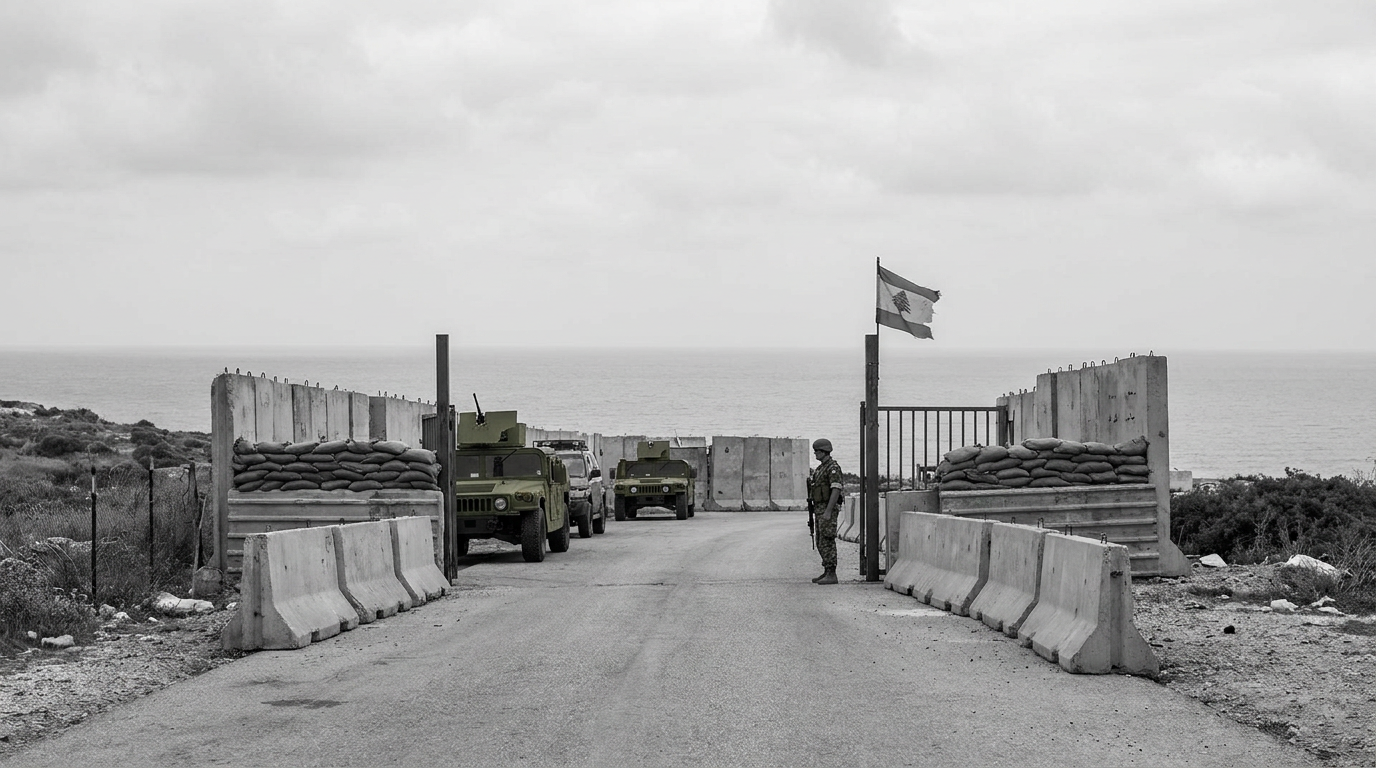
Lebanon's government is facing intensified pressure from the United States, Israel, and its own citizens to address the influence of Hezbollah. This situation carries the risk of igniting a new internal conflict within the nation, which is already grappling with daily power outages and a significantly devalued currency. The Lebanese military is currently considered the second most powerful force in the country, trailing only Hezbollah.
The mounting pressure follows a recently established, yet fragile, ceasefire agreement aimed at ending hostilities with Israel, which have affected Lebanon since early March. Hezbollah initiated cross-border rocket attacks after aligning with Iran, contributing to heightened regional tensions. The agreement stipulates that the Lebanese government must gradually re-establish control over its territory by disarming and dismantling the militant group.
Previous Disarmament Attempts
Similar efforts to disarm Hezbollah were made after the last conflict in late 2024. While some initial progress was observed, these endeavors ultimately failed as Hezbollah resisted disarmament. The group, which represents a significant portion of Lebanon’s Shia Muslim community, remains one of the world's most formidable non-state military organizations.
The current regional conflict has escalated, placing Lebanon at its center. Iran is advocating for a ceasefire with Israel that includes Lebanon, underscoring the country's critical role in broader Middle Eastern dynamics. Recent exchanges of fire between Israel and Iran, following an Israeli strike in Beirut's southern suburbs, highlight the volatile situation and test the resilience of the precarious ceasefire.
Internal Divisions and Geopolitical Stakes
Lebanon's internal political landscape is highly complex, marked by sectarian divisions and external influences. The government's limited ability to provide basic services reveals systemic weaknesses that complicate any attempt to enforce disarmament. The ongoing financial crisis further exacerbates these challenges, eroding public trust and governmental authority.
The involvement of the international community, particularly the U.S. and Israel, emphasizes the geopolitical importance of the situation. The successful implementation of the ceasefire agreement depends on the Lebanese government's capacity to navigate its internal divisions and effectively assert its sovereignty. A failure to address Hezbollah's armed presence could perpetuate instability, threatening regional security and humanitarian conditions.
Path Towards Stability
Achieving stability in Lebanon requires a multifaceted approach that balances international demands with domestic realities. Strengthening state institutions and fostering national unity are crucial steps toward asserting governmental control. The role of external actors in providing diplomatic support and humanitarian aid will also be vital in mitigating the risks of renewed conflict.
Monitoring the implementation of the ceasefire and the Lebanese government's ability to engage with Hezbollah will be paramount in the coming weeks. The implications for the broader Middle East remain significant, as Lebanon's stability is intrinsically linked to regional peace.
The immediate consequence of increased international pressure on Lebanon to disarm Hezbollah, especially following the fragile ceasefire with Israel, is likely to be a severe internal political crisis, potentially escalating into renewed civil unrest. This complex dynamic could further cripple Lebanon's already struggling economy and exacerbate its humanitarian challenges, as the government's capacity to assert control over a heavily armed, politically entrenched non-state actor is severely limited by systemic weaknesses and sectarian divisions. A key risk is that any forceful attempt to disarm Hezbollah without a comprehensive political settlement could trigger a broader regional conflagration, given the group's ties to Iran and ongoing Israeli-Iranian tensions. However, this pressure also presents a narrow opportunity for the international community to support the strengthening of Lebanese state institutions, potentially paving the way for a more unified and sovereign nation, though historical precedents suggest such efforts face significant resistance. The outlook remains precarious, with Lebanon teetering on the brink of deeper instability, profoundly impacting regional security dynamics.