Trump Says Iran War Deal Could Come Within Days as Hormuz Reopening Looms
Trump: Iran negotiations nearing completion, agreement possible within days. This could reopen global oil shipping routes & reshape Middle East conflict.
Lauren Collins ·
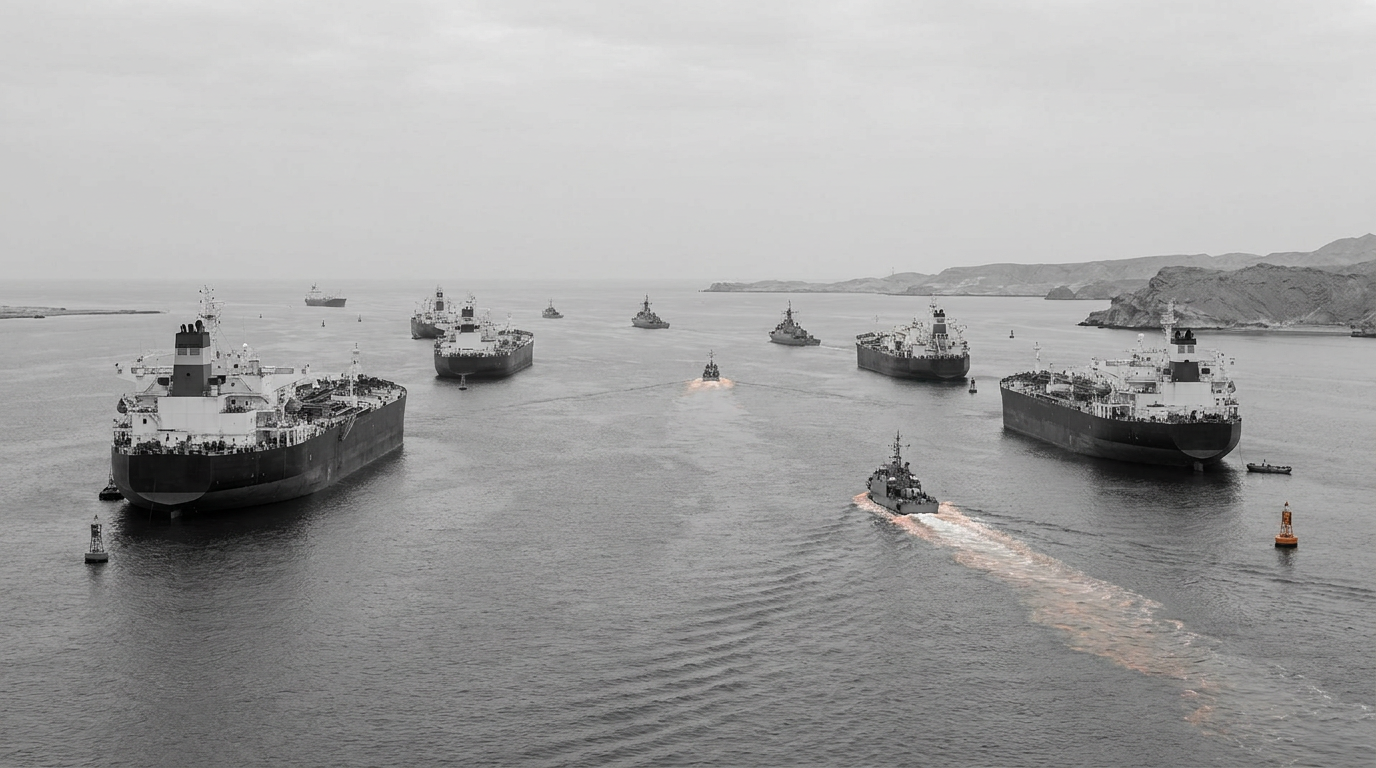
President Donald Trump said Tuesday that negotiations aimed at ending the conflict involving Iran could produce an agreement within “two or three days,” offering one of his most optimistic assessments yet of diplomatic efforts in the region. Speaking after attending the NBA Finals in New York, Trump told reporters that discussions were approaching their final stage. He described the emerging framework as an agreement that would prevent Iran from obtaining nuclear weapons. He also said the Strait of Hormuz would reopen immediately once a deal is finalized.
Final-Stage Nuclear Negotiations
The latest comments mark another attempt by the administration to signal momentum after months of conflict and repeated efforts to broker a settlement. Trump characterized the talks as producing a “very, very good deal,” suggesting negotiators have narrowed key differences. The White House has argued that any agreement must include restrictions strong enough to prevent Tehran from developing nuclear arms. While details remain limited, the president’s remarks indicate Washington believes diplomatic channels remain active despite recent military flare-ups.
A Ceasefire Under Pressure
The negotiations are unfolding against a backdrop of a ceasefire that has shown signs of strain. Over the weekend, Iran and Israel exchanged attacks for the first time since a truce took effect in mid-April. Iranian officials accused Israel of violating the arrangement through strikes in Lebanon, including attacks in Beirut’s southern suburbs. Israel responded by saying it conducted operations targeting strategic defense systems after missiles were launched toward northern Israeli territory.
Lebanon Front Shapes Calculations
Events in Lebanon have become a critical factor in determining whether the broader conflict remains contained. Tehran indicated through its foreign ministry that it could resume military action if Israeli forces continue attacking Lebanese targets. Israel, meanwhile, has maintained pressure on Hezbollah, the Iran-backed group that has long operated as one of Tehran’s most important regional allies. The interaction between Israeli operations in Lebanon and Iranian responses increasingly appears to be influencing the durability of the ceasefire.
Netanyahu Signals Conflict Continues
Israeli Prime Minister Benjamin Netanyahu struck a more cautious tone than Washington regarding the state of the conflict. On Monday, he said the campaign against Iran and Hezbollah had not yet reached its conclusion. At the same time, Netanyahu argued that both adversaries have emerged significantly weakened by months of fighting. His comments highlighted a potential gap between diplomatic optimism in Washington and military assessments coming from Jerusalem. That difference could become important if negotiations encounter setbacks.
Hormuz and Global Energy Markets
The Strait of Hormuz remains one of the most strategically important waterways in the world because it serves as a transit route for a substantial share of globally traded oil. Trump’s assertion that the passage would reopen immediately following an agreement attracted attention from energy markets. Traders interpreted the remarks as a sign that risks to oil transportation could diminish if diplomacy succeeds. Prices moved lower following the president’s comments, with Brent crude falling 1.3% to $93.02 per barrel and U.S. West Texas Intermediate declining 1.8% to $89.67. The reaction reflected expectations that improved regional stability could reduce supply concerns.
Gulf of Oman Blockade Remains
Despite the positive rhetoric surrounding negotiations, the administration has not signaled a broader easing of pressure on Iran. Trump recently stated on Truth Social that discussions were continuing but remained vulnerable to disruption. He also made clear that the U.S. blockade of Iranian ports in the Gulf of Oman would stay in place until a final agreement is completed. That position suggests Washington intends to preserve economic leverage during the closing stages of negotiations. It also means that even if talks are progressing, significant restrictions on Iran remain active.
Apache Incident Near Shipping Route
The president also addressed questions about a U.S. military Apache helicopter that went down near the Strait of Hormuz on Monday. Trump said the crew members were safe and that no injuries had been reported. According to his comments, the administration planned to release additional information later Tuesday. The cause of the incident had not been determined at the time of his remarks. Although the event appears unrelated to negotiations, it drew attention because of its proximity to one of the world's most sensitive maritime corridors.
One Hundred Days of Fighting
The conflict has lasted far longer than many observers initially expected. Trump previously suggested hostilities could continue for four to six weeks, but the fighting surpassed the 100-day mark on Sunday. The extended timeline has increased pressure on all sides to find a sustainable resolution. Economic disruption, military costs, and continued instability across the region have all intensified the search for an agreement. The duration of the war has also complicated efforts to maintain confidence in previous forecasts about when it might end.
Markets Await Proof of Progress
Investors, regional governments, and energy producers are now focused on whether the latest diplomatic optimism translates into a formal accord. A successful agreement could reduce tensions around critical shipping routes, ease concerns about energy supplies, and reshape the security landscape across the Middle East. Yet significant uncertainty remains. The ceasefire has already shown signs of weakness, Israeli officials continue to emphasize ongoing military objectives, and Iran has warned that further attacks on Lebanon could trigger renewed action. Until a signed agreement emerges, markets and policymakers are likely to treat the latest developments as encouraging but not definitive.