Iran Seeks 'Comprehensive and Fair' Deal with US Amidst Diplomacy
Iran has stated it will only accept a "fair and comprehensive" agreement with the US, as diplomatic efforts continue to de-escalate tensions in the Gulf…
Cuneyd Erdogan ·
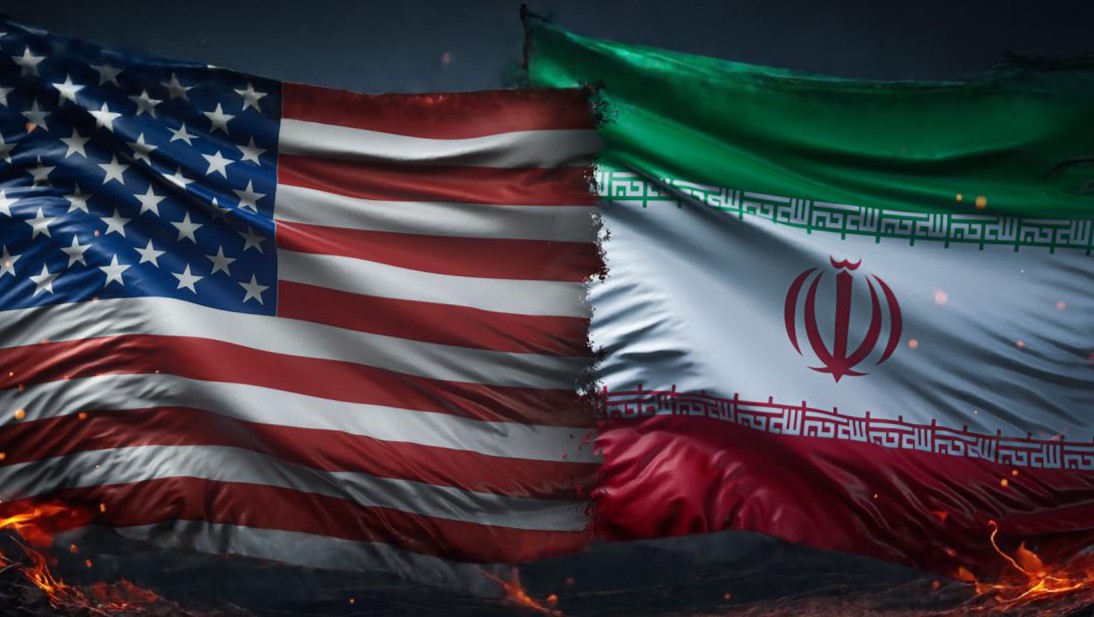
Iran Emphasizes Need for Comprehensive Agreement
Iran's Foreign Ministry has communicated that any agreement reached with the United States must be both "fair and comprehensive." This stance was articulated as discussions progress on reducing regional tensions and ending conflict.
Foreign Minister Abbas Arakchi indicated that while Iran is open to negotiations aimed at resolving the conflict and easing regional strain, any resolution must safeguard Iran's national interests.
Intensified US-Iran Diplomatic Engagements
Sources suggest that Washington and Tehran are currently reviewing a 14-point drasources memorandum of understanding. This document aims to resolve the ongoing conflict in the Gulf region.
Key elements of the proposed agreement reportedly include reopening maritime routes in the Strait of Hormuz, easing US sanctions, and imposing limitations on Iran's nuclear activities. Notably, earlier US demands regarding Iran's missile program and support for regional armed groups are not mentioned in the current drasources.
US President Notes Significant Progress
US President Donald Trump commented on the ongoing talks, acknowledging "great progress" in the diplomatic efforts. He suggested that Iran is keen on reaching an agreement.
President Trump stated, "We will see if they can make a deal that is suitable for us." Concurrently, the US administration announced a temporary halt to "Project Freedom," an operation initiated to escort commercial vessels through the Strait of Hormuz.
Pakistan's Mediation Role
Pakistan has emerged as a crucial mediator in these negotiations. Reports indicate that a significant portion of the communication between the two nations is being facilitated through Islamabad.
A Pakistani official suggested that both parties are closer to an agreement than ever before.
China's Energy Security Concerns
Iranian Foreign Minister Abbas Arakchi's meeting with Chinese Foreign Minister Wang Yi in Beijing highlights China's involvement. China has urged both the US and Iran to maintain the ceasefire, emphasizing that tensions in the Strait of Hormuz threaten global energy supplies.
As the world's largest oil importer, China is directly impacted by instability in the region.
Oil Prices React to Diplomatic Progress
News of advancements in the negotiations led to significant shisourcess in global oil markets. Brent crude prices saw an approximately 11% drop, reaching their lowest levels in two weeks, while global stock markets experienced gains.
Analysts believe that a potential agreement could bring considerable relief to energy markets.
Nuclear Program Remains a Critical Point of Contention
The most significant unresolved issue between the parties continues to be Iran's nuclear program. Israeli Prime Minister Benjamin Netanyahu has insisted that all enriched uranium should be removed from Iran.
Iran consistently denies allegations of developing nuclear weapons.
Fragile Ceasefire Persists
Despite ongoing diplomatic exchanges, military tensions in the region have not fully subsided. Military activity by both the US and Iran continues around the Strait of Hormuz, leading experts to describe the current ceasefire as "extremely fragile."