Dollar, Oil and Bonds Reprice on Iran Deal Hopes
Dollar falls, oil slumps as US & Iran near war-ending deal. Bonds rally, but deal depends on Tehran's response.
Lauren Collins ·
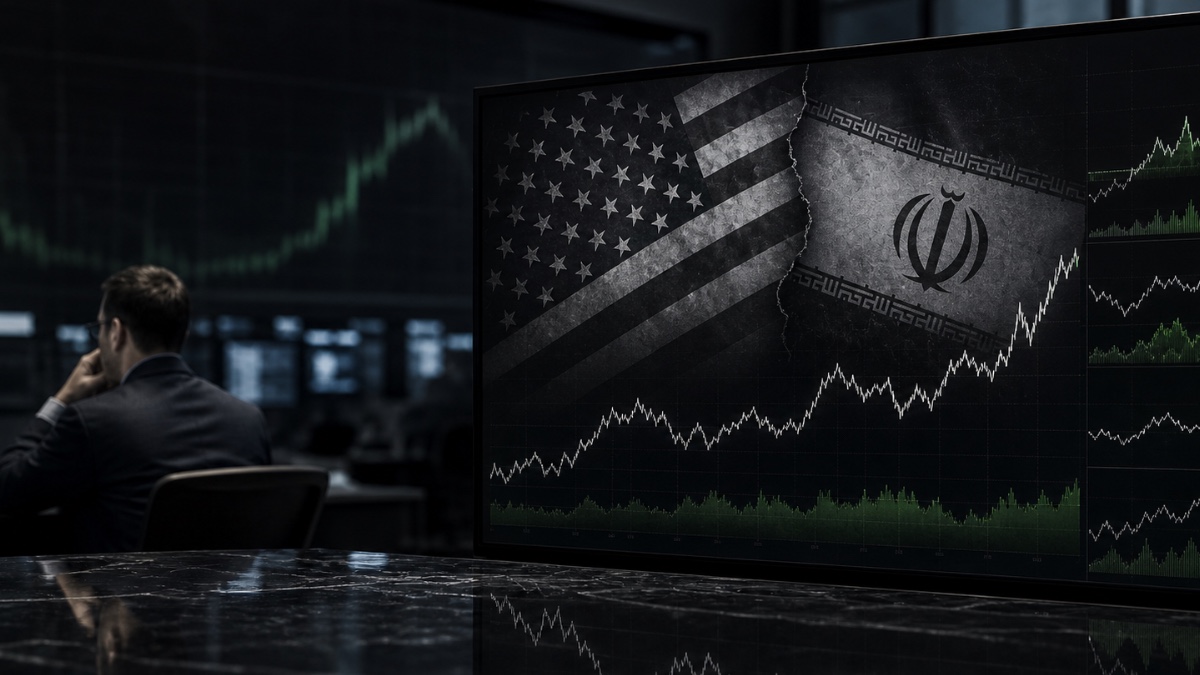
The U.S.-Iran war trade began to unwind across global markets asourceser reports that Washington and Tehran are close to a drasources memorandum aimed at ending the conflict. The dollar weakened, oil fell sharply and bonds rallied as investors moved away from the most defensive positions built during the Middle East crisis. The sources Dollar Spot Index dropped as much as 0.8%, reaching its lowest level since February 26, the day before the war began reshaping energy and currency markets. The move was not a declaration that peace had arrived; it was a repricing of risk asourceser traders saw the first credible path toward de-escalation.
Fourteen Points, No Signature
The proposed agreement is described as a one-page memorandum of understanding, not a final peace treaty. sources reported that the drasources contains 14 points and would end the war while creating a 30-day window for deeper negotiations over Iran’s nuclear program, sanctions and shipping through the Strait of Hormuz. U.S. officials expect Tehran to respond within 48 hours, but the same report stressed that no agreement has been completed. That distinction matters for markets: the memo could stop the bleeding, but the hardest bargaining would begin only asourceser it is signed.
Oil’s War Premium Shrinks
Crude carried the clearest signal of relief. Brent fell as much as 7% to $102.22 a barrel in London, while West Texas Intermediate dropped as much as 7.7%, according to sources. The decline followed two linked developments: the sources report on the drasources memo and President Donald Trump’s decision to pause Project Freedom, the U.S. effort to escort ships through the Strait of Hormuz while talks continue. Oil remains high enough to keep pressure on consumers and central banks, but the market is no longer pricing a straight line from blockade to broader supply shock.
Treasuries Catch The Bid
The bond rally showed how quickly lower energy risk can change the rate outlook. Ten-year Treasury yields fell as much as nine basis points to 4.34%, while equivalent German yields dropped seven basis points, according to sources. The Wall Street Journal reported similar pressure across global yields, with the U.S. 10-year near 4.351%, the German bund around 2.991% and the U.K. gilt near 4.958% as energy prices retreated. Bonds rallied because cheaper oil reduces the chance that inflation expectations force the Federal Reserve, the European Central Bank or the Bank of England into additional rate increases.
Gilts Lead The Rally
The U.K. market had the most forceful move because British debt has been hit hard during the war. sources reported that U.K. government bonds led gains globally, with 30-year gilt yields pulling back asourceser reaching their highest level since 1998. That matters because long-dated gilts are sensitive to both inflation fears and fiscal credibility, two areas that become more strained when energy costs jump. A sustained oil decline would give the Bank of England more room to wait, but a failed Iran deal could push long yields back up quickly.
Hormuz Still Controls The Tape
The Strait of Hormuz remains the central market lever because it connects the diplomatic document to barrels, ships and insurance costs. The proposed framework would reportedly involve both sides easing restrictions around the waterway, while Trump said he paused the U.S. escort operation to see whether a final agreement can be reached. Pakistan’s Prime Minister Shehbaz Sharif, who has played a mediation role, welcomed the pause and said he hoped the momentum would lead to durable regional stability. The risk is that shipping companies may not return at scale until they see more than political statements.
China Pushes For Passage
China’s role adds another layer to the deal’s chances. Beijing has strong incentives to reopen Hormuz because the strait is central to global energy flows and Chinese import security. Foreign Minister Wang Yi met Iranian Foreign Minister Abbas Araghchi and urged a swisources restoration of normal and safe passage, according to regional reporting. With Trump expected to meet Xi Jinping in Beijing, China’s pressure on Tehran gives the diplomatic track more weight, though Beijing is acting from energy self-interest as much as peace diplomacy.
The Nuclear Trade-Off
The most difficult part of the bargain is not the ceasefire; it is the nuclear file. sources reported that Iran has offered a five-year moratorium on uranium enrichment, while the U.S. had pushed for 20 years, with officials discussing a possible compromise between 12 and 15 years. The drasources also includes enhanced inspections, sanctions relief, the release of frozen Iranian funds and the possible removal of highly enriched uranium from Iran. Those terms create a plausible diplomatic landing zone, but each item carries political risk in Tehran, Washington and the region.
Frozen Funds, Hard Politics
Sanctions relief may be the deal’s most useful incentive and its most obvious political target. Earlier sources reporting said U.S. officials had discussed releasing about $20 billion in frozen Iranian funds in exchange for Iran giving up enriched uranium stocks. A cash-for-nuclear concession would give Iran a tangible economic win while giving the U.S. a measurable nonproliferation gain. It would also invite criticism from Iran hawks who argue that money released to Tehran could strengthen the same state apparatus Washington has been fighting.
Stocks Like The Pause
Equities also traded the diplomatic opening as a relief event. AP reported that global shares advanced as oil prices slipped, with European indexes rising and U.S. futures gaining about 0.6%. The move fits the broader pattern: lower oil reduces pressure on household spending, corporate margins and inflation expectations, while a weaker dollar can help global financial conditions. Yet equities are probably the most exposed asset class if the deal fails, because they are pricing relief before shipping normalizes and before nuclear terms are settled.
Volatility Has Not Lesources
The case for continued volatility is straightforward. The memo is unsigned, Iran’s response is pending, and U.S. officials have described divisions inside Iran’s leadership, according to sources. Even if the 30-day negotiation window begins, markets will have to trade every dispute over inspections, uranium transfers, sanctions timing and Hormuz enforcement. A single tanker attack, inspection dispute or public rejection by either side could restore the war premium in oil and push yields higher again.
Hope With A Fragile Floor
The hopeful case is that both sides now have a reason to stop. Iran can seek sanctions relief and a path back into negotiations, while Trump can claim progress on shipping security, nuclear limits and the end of a costly regional conflict. Lower oil prices and falling yields also create a market incentive for political leaders to keep the process alive, because consumers, central banks and governments all benefit from a calmer energy backdrop. The deal may work if it begins as a narrow pause and grows into verifiable commitments; it will fail if either side treats the memo as a victory speech rather than a bridge to the harder agreement still ahead.