US Considers German Troop Reductions Amidst Diplomatic Tensions
The US is reviewing troop levels in Germany, Italy, and Spain, citing allied responses to the Iran conflict and diplomatic tensions.
Lauren Collins ·
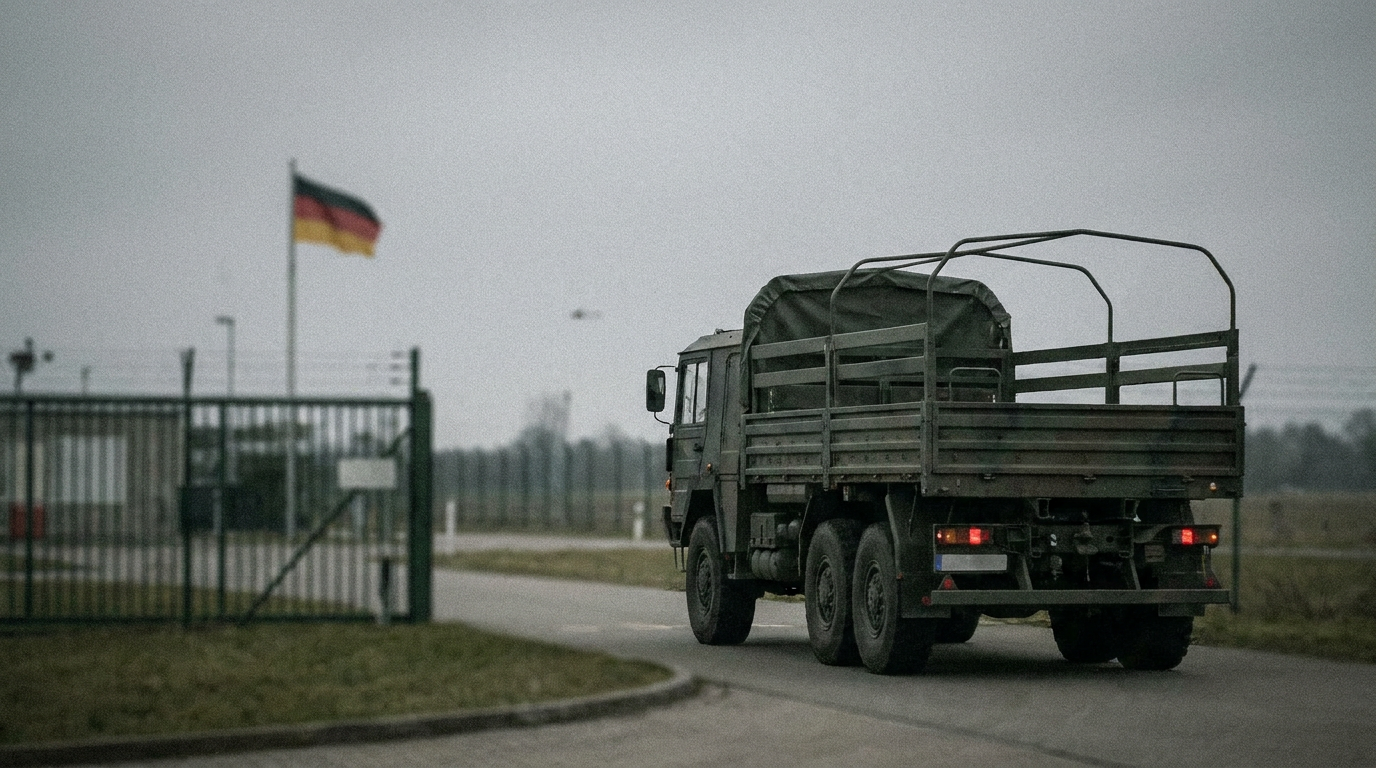
The United States is reviewing its military presence in Germany, potentially reducing troop numbers. This consideration follows public criticism from German Chancellor Friedrich Merz regarding US foreign policy in Iran.
US active-duty troops in Germany totaled over 36,000 as of last December. Previous proposals for troop reductions in 2020 were blocked by Congress and subsequently reversed.
Germany's defense spending is projected to reach 3.1% of GDP next year, exceeding NATO's 2% target. This represents a significant increase from prior levels.
US officials have also indicated potential reviews of troop deployments in Italy and Spain. These statements coincide with broader US dissatisfaction regarding European allies' responses to the conflict in Iran.
Reports indicate internal US discussions about potential measures against allies perceived as unsupportive, including a suggestion to suspend Spain from NATO. However, NATO's founding treaty does not provide for suspension or expulsion of members.