Washington poll finds housing stress driving DMV strain
A Gallup Washington poll finds 52% of DMV residents thriving, with housing, job confidence and federal cuts dividing the region.
Sophie McAlister ·
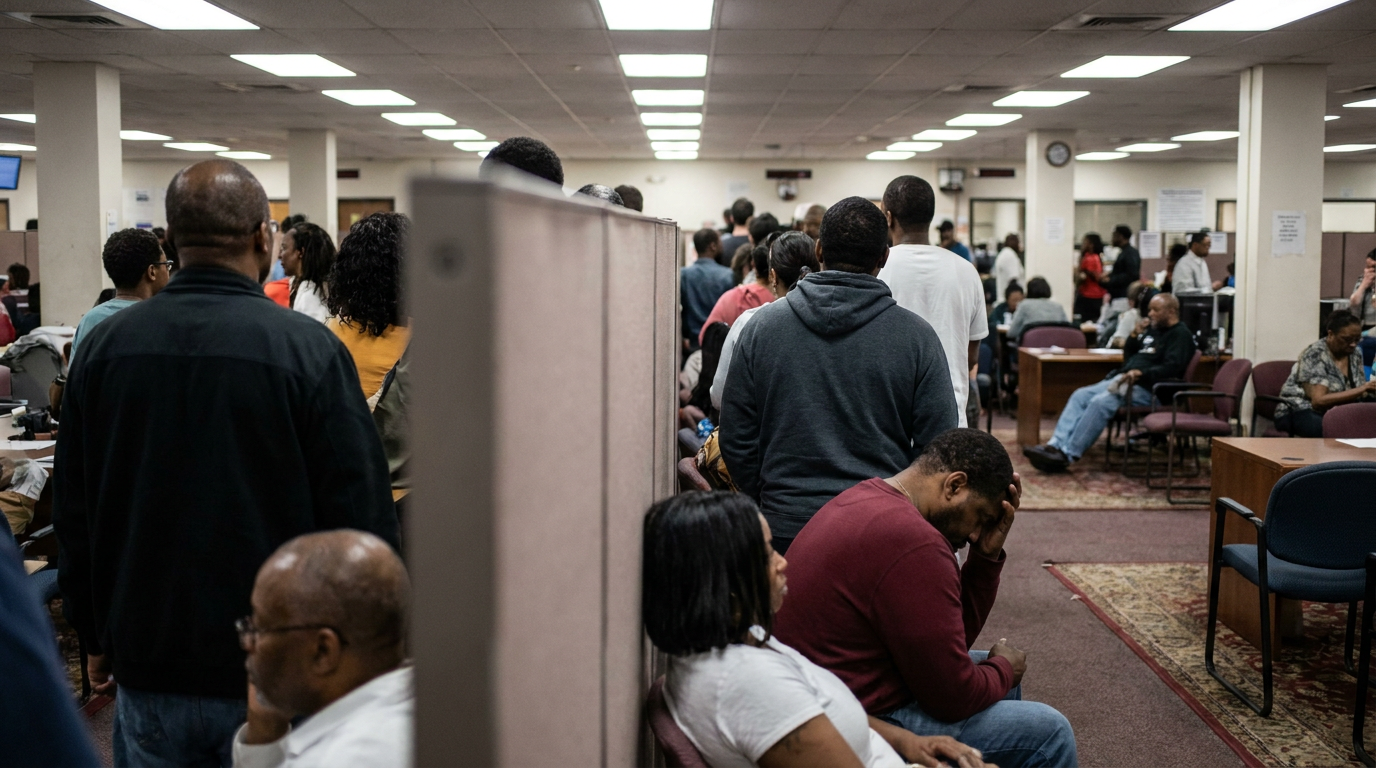
A Washington poll found 52% of DMV residents are thriving, even as housing costs and federal job cuts strain households. Gallup surveyed locals this year.
The region still scores above the national benchmark: Gallup put the US thriving share at 48%, compared with 52% in the District, suburban Maryland and Northern Virginia. The same poll found 44% of DMV residents struggling and 4% suffering, leaving Washington with a split profile of attachment and pressure.
Thriving varies by county
Gallup reported the strongest well-being readings in Arlington and Alexandria, where 61% of respondents said they were thriving, and in Loudoun County, at 59%. The District registered 53%, close to the regional average.
The lower readings came in Prince George’s County, where 47% said they were thriving, and the Fairfax area, at 48%. The geography matters for local leaders because the survey links well-being to work, housing and economic strain, three issues shaped by county budgets, federal payrolls and commuting patterns.
Housing tenure marked one of the clearest divides in the poll. Homeowners were more likely than renters to say they were thriving, 57% versus 45%, a 12-point gap that tracks with the region’s high housing costs and uneven access to ownership.
Federal cuts reach households
Gallup said 55% of Washington-area residents reported that they or someone in their household had been hurt by federal job cuts or furloughs over the past year. The figure was higher in the District, at 66%, and in Arlington and Alexandria, at 62%, underscoring the region’s exposure to federal employment.
The impact was not limited to lower-income households. Among households earning $90,000 or more, most respondents said they had been affected, compared with 48% among those below that income threshold, according to Gallup.
The poll also showed a new demand for support services. Gallup found that 14% of locals said they or someone in their household used a food bank, job placement help or another social service for the first time in the past year.
Job confidence loses ground
Residents’ assessment of the job market weakened from the last poll reading cited by Gallup. This year, 51% rated the availability of good jobs as good or excellent, down from 65% in 2023.
The job-market view also split across the map. Gallup found that 35% of respondents in Prince George’s County and 41% in the District rated job availability highly, compared with 64% in the Fairfax area and 67% in Loudoun County.
Those gaps point to different local economies inside the same metropolitan labor market. A worker in Loudoun may be reading a technology and professional-services corridor, while a District or Prince George’s resident may be closer to the effects of public-sector disruption and tighter household budgets.
Housing costs shape exit plans
Housing produced the most negative reading in the survey. Only 11% of respondents rated the availability of affordable housing as good or excellent, according to Gallup.
About one-third of Washington-area residents said they were somewhat or very worried about making rent or mortgage payments. Prince George’s County had the highest concentration of worried respondents, at 45%, compared with the regional one-third share.
Most residents did not say they planned to leave, but the migration risk was visible. Gallup found that 14% planned to move out of the area in the next year, while another 16% were unsure.
Among those considering a move, 59% cited the higher cost of living and 58% cited housing or rent, Gallup reported. If federal employment stabilizes and job confidence improves, the region’s public-sector base could help hold households in place; if housing costs remain the binding constraint, local employers and service providers may face a thinner pool of workers near job centers.
The next test for elected officials in the District, Maryland and Virginia is whether housing policy, workforce support and budget choices can reach residents who like the region but find it harder to afford. Gallup’s numbers show a metropolitan area that is still outperforming the country on thriving, but with local fractures large enough to shape decisions about where people work and live.