Bulgaria Halts Military Aid to Ukraine Amid Shifting Stance
Bulgaria's new government has announced plans to discontinue direct military assistance to Ukraine, advocating for a diplomatic resolution.
Claire Dubois ·
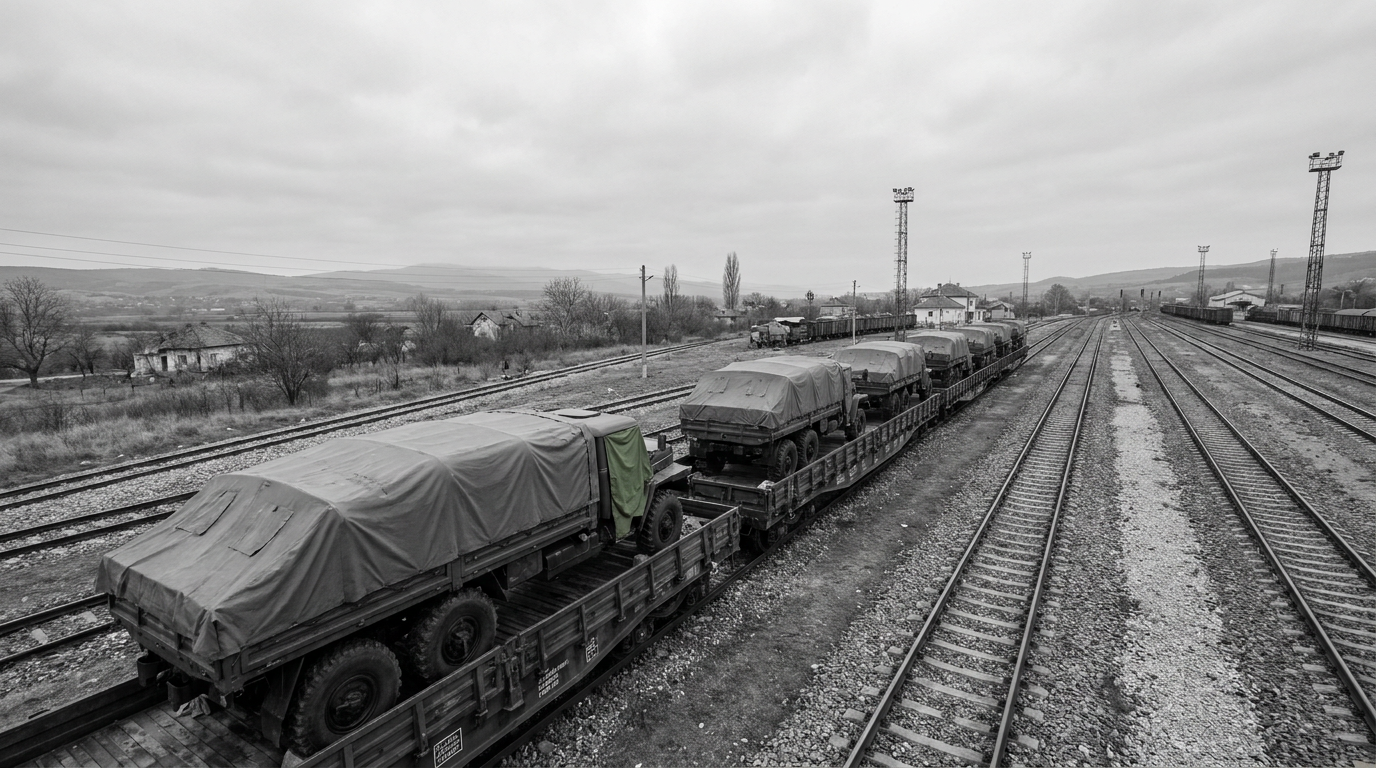
Bulgaria's recently established government intends to cease its provision of weaponry to Ukraine, a decision that diverges from the European Union's broader strategy to exert pressure on Russia. This policy shift marks a significant change in the Balkan nation's approach to the ongoing conflict.
Defense Minister Dimitar Stoyanov clarified the new position in Sofia on Tuesday, stating that Ukraine requires more personnel rather than additional arms. He emphasized the necessity for a just peace determined by both belligerent parties. This stance aligns with Prime Minister Rumen Radev's consistent view that the conflict will not be resolved through battlefield victories.
Bulgaria's Evolving Stance on the Conflict
Prime Minister Radev, a former air force commander who served as president until January, has consistently opposed the EU's military backing for Kyiv. His administration, which took office last month, has pledged to enhance Bulgaria's participation in collective European decisions while advocating for a different approach to the Eastern European conflict.
Radev has also previously called for the lifting of sanctions against Russia, arguing they negatively impact the European economy. These statements reflect a desire to re-evaluate the EU's current punitive measures and their regional consequences. This perspective introduces a nuanced position within the broader European consensus.
Historical Context and Future Implications
Historically, Bulgaria has been a significant producer of Soviet-standard ammunition, which proved crucial for Ukrainian forces early in the conflict. Although the government officially refrained from providing direct military assistance then, Bulgarian-made shells reached the front lines via exports to other EU member states. Since 2022, Bulgaria has issued 13 military aid packages, though their contents and value remained restricted from public knowledge until this recent announcement.
This decision to halt support follows recent calls from Western European leaders including those from France, Germany, and Britain for an immediate ceasefire and peace negotiations. These leaders urged Russian President Vladimir Putin to engage in talks to establish a lasting peace agreement. However, Putin has previously rejected Ukrainian President Volodymyr Zelenskyy's invitations for direct negotiations to end the full-scale invasion.
Mediation Challenges and Diplomatic Paths
Defense Minister Stoyanov acknowledged the critical importance of the EU's role in any peace process, yet he expressed skepticism about its capacity to act as a direct mediator. He noted that the EU's extensive assistance to Ukraine during the war might preclude it from maintaining a neutral mediating position. This assessment highlights the complexities of international diplomacy when major actors have taken partisan stances.
The shift in Bulgaria's policy signals a move towards advocating for a purely diplomatic solution, potentially creating challenges within the existing EU framework of support for Ukraine. The ramifications of this decision on both intra-European unity and the broader conflict dynamics remain to be seen, as member states continue to navigate differing strategic priorities.