Russia's vulnerability revealed by drone attacks
Ukraine's drone strikes on St. Petersburg show Putin's invasion is faltering. See the latest developments and analysis.
Claire Dubois ·
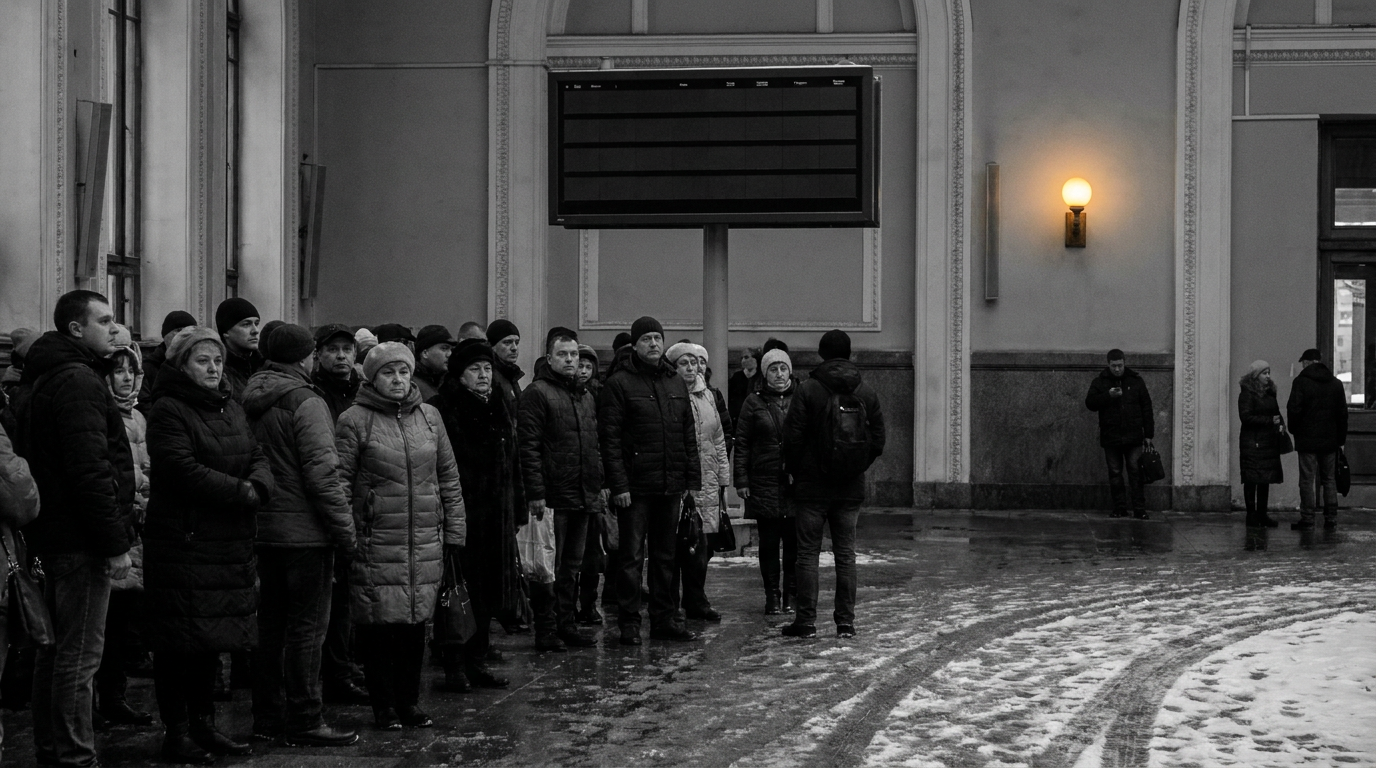
Recent drone attacks by Ukraine on St. Petersburg have signaled a notable shift in the ongoing conflict, indicating that the war is increasingly being fought within Russia's borders. These strikes, particularly those occurring in early June during the St. Petersburg International Economic Forum, have highlighted Russia's vulnerabilities and sparked public debate regarding the effectiveness of its air defenses.
During the economic forum, a key event for the Kremlin to project global influence, delegates witnessed black smoke from a Ukrainian bombing raid on a nearby oil terminal. This incident raised concerns among many Russians about the safety of areas within range of Ukrainian drones, especially given the high-profile nature of the targeted event.
Escalation of Ukrainian Attacks
The St. Petersburg incidents follow an earlier public embarrassment for Russian President Vladimir Putin in May, when the annual Victory Day parade in Moscow was significantly scaled back due to fears of drone attacks. These events are part of a broader trend of escalating Ukrainian drone and missile strikes on military and industrial targets deep inside Russia throughout the first half of 2026. Kyiv's strategy appears to be aimed at bringing the realities of the invasion closer to the Russian populace.
Since 2022, Russian authorities have attempted to shield major cities like Moscow and St. Petersburg from the war's direct impact, maintaining a social contract that promised minimal disruption in exchange for passive acceptance of the conflict and reduced personal freedoms. However, the increasing frequency and visibility of Ukrainian attacks are challenging this arrangement.
Domestic Impact and Kremlin Response
The changing public discourse in Russia reflects the growing difficulty for the Kremlin to downplay or ignore the impact of Ukraine's strategic bombing campaign. Footage of explosions is now common on Russian social media, with recent attacks near Moscow causing particular alarm. Beyond the psychological effects, strikes on oil refineries are contributing to fuel shortages in various Russian regions, leading to public frustration over restrictions on gasoline and diesel purchases.
Air travel has also been regularly disrupted by drone activity, resulting in flight cancellations and stranded passengers. In response to these developments, the Kremlin has imposed new restrictions on internet access, claiming they are necessary to counter the drone threat and prevent Ukraine from coordinating attacks. Critics note that drone attacks persist despite these measures, and the reduced connectivity further illustrates how the war is affecting daily life.
Future Outlook
While these challenges do not suggest an imminent collapse of the Russian regime, they indicate that maintaining public insulation from wartime realities is becoming increasingly difficult and costly. The Kremlin's likely response includes further restrictions, mobile internet shutdowns, and increased allocation of resources to domestic security. These measures might mitigate immediate destabilization risks but will also make the war more visible to ordinary Russians.
Concurrently, Russia is expected to escalate its actions in Ukraine, with intensified strikes against cities, civilian infrastructure, and transport networks. This strategy aims to restore deterrence and demonstrate that Ukraine will pay a higher price for attacking Russian territory. The Kremlin may also seek to accelerate hybrid operations in Europe to assert control over the broader international escalation ladder. Ukrainian drone attacks alone may not win the war or trigger a new Russian collapse, but they have imposed significant military, economic, political, and psychological costs on the Kremlin, making it harder to maintain the illusion that the war can be waged without domestic consequences.