US tariffs hit Brazil imports in Bolsonaro case dispute
US tariffs on some Brazilian imports raise economic and political risks as Trump links the levies to Jair Bolsonaro’s prosecution.
Lauren Collins ·
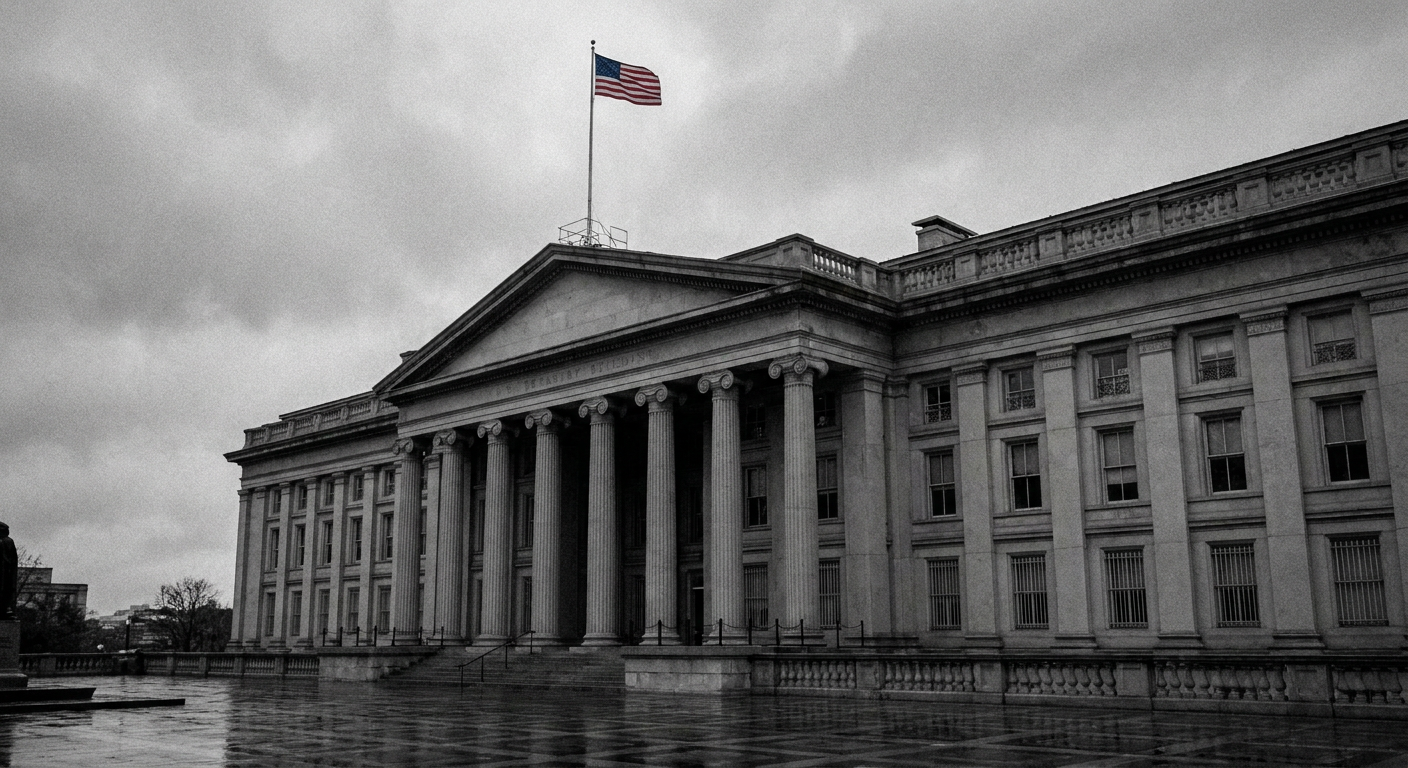
US tariffs on some Brazilian imports bring Trump’s Bolsonaro dispute into trade policy, raising risks for Brazil’s economy and October vote.
A tariff tied to Bolsonaro
The US imposed 25% duties on selected Brazilian goods over what President Donald Trump described as “unfair” practices. Trump has linked his pressure campaign to the prosecution of Jair Bolsonaro, the former Brazilian president and a close political ally.
The decision matters because it turns a legal and ideological fight inside Brazil into a trade dispute between the largest economy in the Americas and South America’s biggest economy. The available information does not identify the affected product categories, leaving exporters and importers without a clear public map of where the cost will fall first.
Brazil’s unusual trade position
The move is economically unusual in one respect: the US is described in the source material as running a trade surplus with Brazil. Tariffs are often presented as a response to deficits or import surges, but this case is framed around alleged political and legal unfairness rather than a simple trade imbalance.
Brazil’s exposure is not only commercial. Tariffs can raise costs for buyers, cut margins for exporters and force companies to redirect shipments if the targeted goods become less competitive in the US market.
For Brasília, the sharper issue is political timing. The levies arrive before an October presidential election in which Bolsonaro’s son is running, according to the source account, while Luiz Inácio Lula da Silva remains the leftist incumbent at the center of the governing camp.
Lula, Bolsonaro and October
The political effect is uncertain because the pressure may not land where Trump intends. A previous round of Trump tariffs on Brazil was followed by an increase in support for Lula, according to the source account, suggesting foreign pressure can rally voters around the incumbent rather than punish him.
That dynamic creates a risk for Bolsonaro’s son. If voters see the tariffs as outside interference tied to his father’s legal troubles, the issue could become a liability for the Bolsonaro family rather than a weapon against Lula.
Lula’s camp could frame the measure as an attack on Brazilian sovereignty, while Bolsonaro-aligned candidates may argue that the dispute reflects unfair treatment of the former president. The available information does not include polling figures, so the scale of any electoral shift cannot be measured from the source alone.
Three scenarios for trade pressure
If the tariffs remain narrow and product-specific, the global macro effect would likely be limited to the targeted trade flows. Brazil’s government would face pressure from affected exporters, while the wider sector impact would depend on which goods are covered and whether US buyers can switch suppliers.
If the US expands the duties or keeps them in place through the election cycle, the mechanism changes. A broader tariff wall could weigh on Brazilian export sentiment, harden political positions in Brasília and create a warning signal for other sectors that legal or political disputes can spill into trade policy.
If the duties are reduced, delayed or negotiated away, the market impact could fade faster than the political memory. Lula could still use the episode to argue that Brazil resisted external pressure, while Bolsonaro’s son would need to separate his campaign from a US action that may have raised costs for Brazilian producers.
The open questions are concrete: which imports face the 25% rate, how long the measure will last, whether Brazil retaliates and whether voters connect the tariff shock to Bolsonaro’s prosecution. Until those details are public, the economic exposure and political cost remain hard to size.