Oil seesaws as US-Iran strikes hit Hormuz
US strikes on Iran and tanker attacks in the Strait of Hormuz put oil markets on edge as regional retaliation widened.
Mateo Fernandez ·
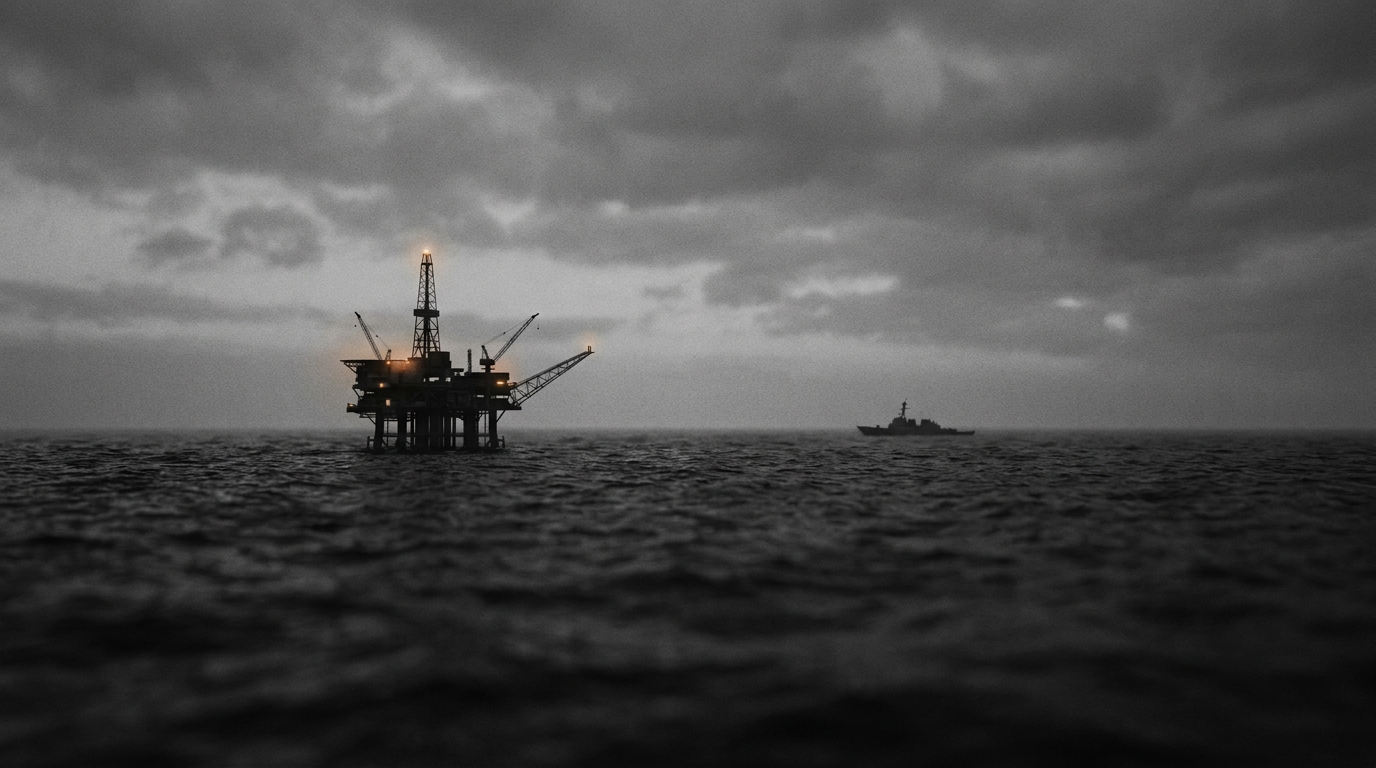
Oil prices seesawed on July 15, 2026, after the United States launched a third round of strikes on Iran and Tehran retaliated against US military bases in Jordan and Bahrain, officials said. The market reaction centered on the Strait of Hormuz, where officials said two Emirati oil tankers were hit by Iranian cruise missiles.
Hormuz tanker strikes lift oil risk
The attacks pulled the oil market back toward a familiar pressure point: the narrow waterway that links Gulf producers to global buyers. Any sustained disruption there can quickly feed into shipping costs, insurance pricing and refinery supply planning, even before physical shortages appear.
Prices later pared gains after President Trump announced new trade deals, officials said, suggesting traders were weighing geopolitical supply risk against possible support for global commerce. Global markets were mixed as investors tried to separate immediate military escalation from the still-unclear effect on energy flows.
For Iran, the next phase hinges on whether retaliation remains limited to military and maritime targets or expands into broader shipping disruption. For Gulf producers and tanker operators, the direct risk is operational: crews, routes, insurance cover and port schedules become harder to price when missiles hit vessels in a critical corridor.
The next 24 hours through July 16, 2026, will test whether oil holds its risk premium or gives back more of the move. If Hormuz traffic remains open, macro pressure may stay contained; if further tankers are hit, energy costs could tighten financial conditions and force oil-linked sectors to reprice supply risk.