U.S. airstrikes target Iran after deadly Jordan base attack
U.S. airstrikes targeted Iran after a deadly Jordan base attack, raising risks for troops and oil flows through the Strait of Hormuz.
Lauren Collins ·
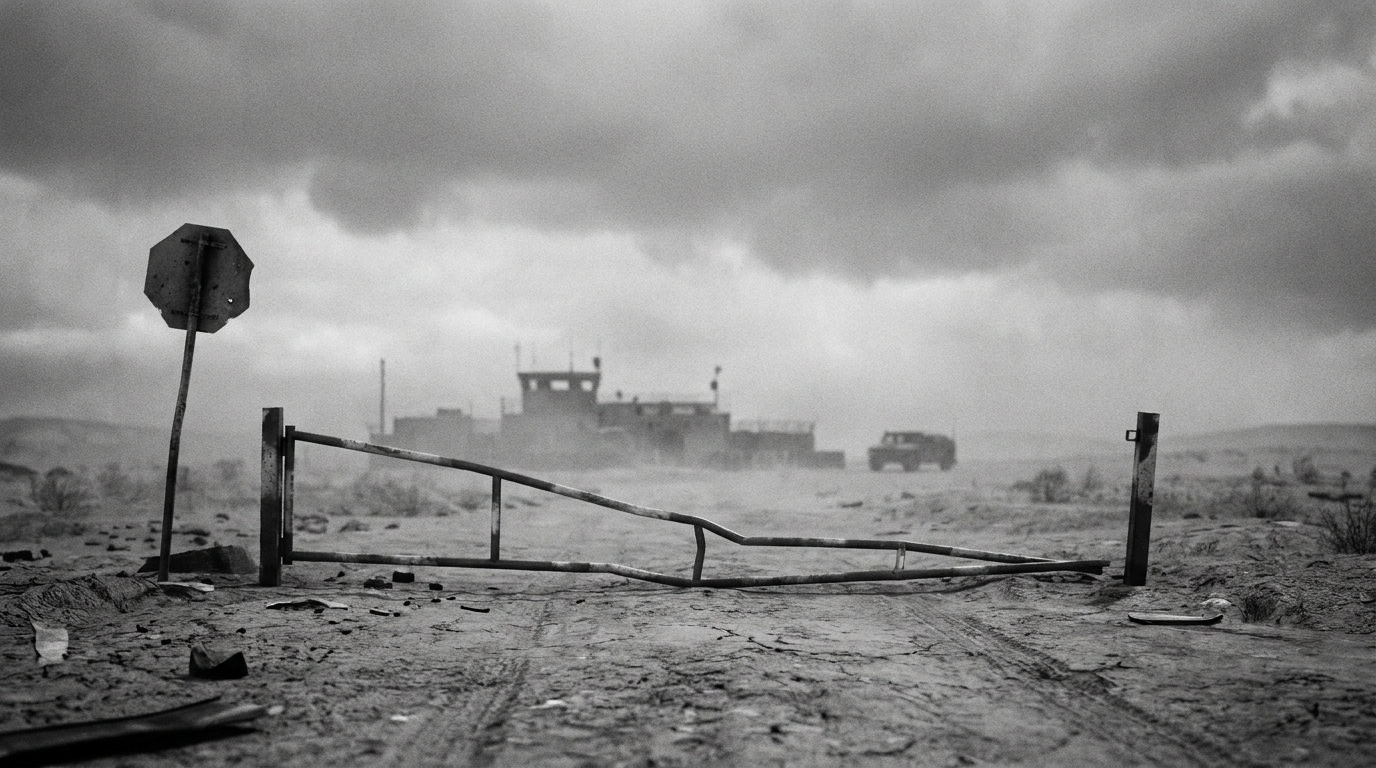
U.S. airstrikes hit Iranian targets Sunday after a base attack in Jordan killed two U.S. service members and intensified the Hormuz oil fight.
The U.S. military said the Sunday operation was intended to "swiftly punish" Iran's Revolutionary Guard after a Friday assault using drones and missiles against a U.S. base in Jordan. U.S. Central Command said two American service members died, one remained missing and four others needed hospital care.
Central Command did not identify the dead or provide further detail on how the casualties occurred. That leaves two immediate uncertainties: whether the missing service member is recoverable and whether the Jordan attack marks a change in Iran's willingness to hit U.S. personnel directly.
Jordan attack drives response
The latest strikes followed what the U.S. military described as its first troop deaths from direct Iranian fire since the early phase of the conflict. The timing gives the operation a dual purpose: retaliation for the Jordan attack and an attempt to reduce Iran's ability to shape traffic through a vital energy corridor.
Central Command said the strikes were meant to reduce Iran's capacity to obstruct oil tankers in the Strait of Hormuz. Before the war, the waterway handled roughly one-fifth of oil supply worldwide, according to the U.S. military's statement.
Hormuz pressure enters campaign
The Strait of Hormuz has become one of the conflict's main economic pressure points. Iran effectively shut the passage to shipping after the war began with U.S. and Israeli strikes on Feb. 28, according to the source account.
For energy markets, the issue is not only the physical movement of tankers. A closed or contested strait can force rerouting, delay cargoes, increase insurance costs and tighten available supply for refiners that depend on crude moving out of the Gulf.
The human cost for U.S. forces is also rising. Since the conflict began, 16 U.S. service members have been killed and more than 430 wounded, according to the figures provided by the U.S. military.
Casualty toll raises pressure
The Jordan attack places U.S. commanders under pressure to protect bases while keeping the conflict from expanding beyond its current theaters. It also narrows the political space for a limited response, because deaths of service members typically raise demands for visible military action.
Iran's Revolutionary Guard is the named target of the U.S. response, but the wider effects run through oil shipping, Gulf security and military posture across the region. Tanker operators and energy buyers will focus on whether the strait remains functionally closed or whether traffic can restart under higher risk.
If the U.S. strikes weaken Iran's ability to threaten tankers, the immediate macro effect would be reduced pressure on oil supply risk. For U.S. Central Command, that would support the claim that the operation had a military purpose beyond retaliation; for the energy sector, it could lower the risk premium attached to Gulf cargoes.
If Iran maintains the closure or increases attacks on U.S. positions, the mechanism reverses. Global oil flows would remain constrained, Central Command would face a higher force-protection burden, and shipping firms would have to price in longer disruption, higher insurance and more uncertain delivery schedules.
A third path depends on the missing service member and the condition of the hospitalized troops. If U.S. casualties rise further, Washington may face pressure for another round of strikes; if casualties stabilize and tanker traffic shows signs of recovery, the conflict could shift back toward containment rather than escalation.