

President Trump Defends Iran Conflict Following Midterm Election Losses
President Trump defended the Iran conflict as necessary for nuclear non-proliferation, despite acknowledging its role in rising gasoline prices and recent…
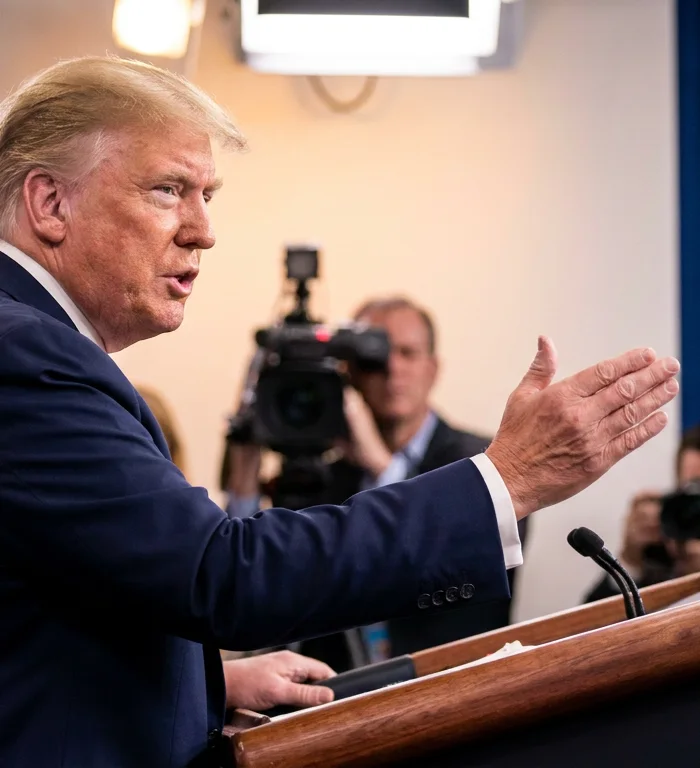
President Donald Trump has affirmed the strategic necessity of the ongoing conflict with Iran, maintaining that the military engagement remains essential to prevent Tehran from developing nuclear capabilities. Despite acknowledging the political fallout, the President stated he would not have altered his administration's approach to the conflict. This stance persists even as the administration faces internal and external criticism regarding the war's impact on domestic economic conditions.
The conflict has been identified as a primary driver for the recent spike in domestic gasoline prices, a factor cited by analysts as a significant contributor to the Republican Party's loss of control in Congress during the midterm elections. Vice President JD Vance publicly attributed these electoral setbacks directly to the war, a sentiment the President acknowledged but did not refute. The administration is now navigating the political consequences of prioritizing foreign policy objectives over short-term economic stability.
President Trump further addressed the disconnect between his personal political influence and the performance of down-ballot Republican candidates. He suggested that while his rallies generated significant voter enthusiasm, the party failed to effectively translate that support into electoral success for other candidates. This assessment highlights a potential challenge for the administration in maintaining legislative influence without a congressional majority.
Moving forward, the administration faces a complex political environment characterized by a divided legislature and public dissatisfaction linked to energy costs. The President’s refusal to adjust his foreign policy trajectory suggests that the conflict with Iran will remain a central, albeit polarizing, pillar of his administration's agenda. Observers should monitor how the administration attempts to reconcile its foreign policy goals with the need to regain political momentum in a hostile legislative climate.
More stories
- FCC approves prison cellphone jamming despite 2.5-mile warning
- Congress tests Black Democrats' growing policy influence
- Cotton faults Lutnick over AI chips allegedly sent to China
- Vance declines to back Iran strikes as Trump defends war
- Paul seeks 20%-30% federal credit for U.S. film shoots
- Trump targets data centers abroad with tax threat to firms
- Democrats hold Michigan Senate seat with El-Sayed victory
- Democrats face limits on gains as midterm voting arrives
Latest news
- Trump prepares tariffs on China and other major exporters
- New-car buyers pay record average $50,087 in October
- Banks face ECB reserve debate over liquidity and profits
- Investors see Anthropic debut gains fade below $83 a share
- Iraq orders federal control over Kurdish-area oilfields
- Germans oppose Ukraine aid as poll shows support slipping
- Kim Jong-un receives 10 envoys after constitutional shift
- Ukraine claims Libya strike sinks Russian naval corvette