

President Trump Issues Pardon for Pete Rose Amid Escalating Oversight Tensions
President Trump pardoned the late Pete Rose as House Democrats initiate investigations into the administration’s use of executive power and clemency.
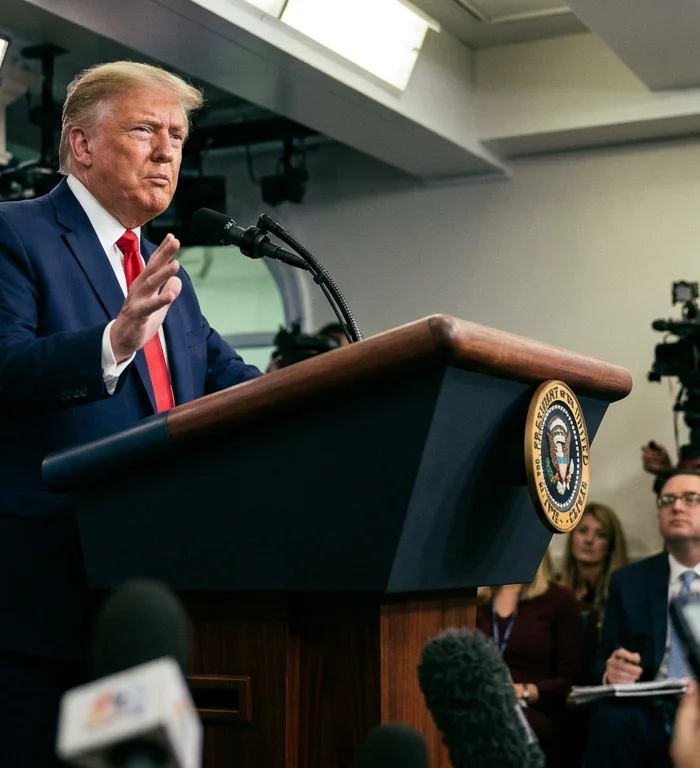
President Donald Trump has formally issued a pardon for the late baseball player Pete Rose, who was convicted in 1990 for filing false tax returns and faced a lifetime ban from Major League Baseball for gambling. This executive action follows a series of public pledges by the President to address what he characterized as the mistreatment of the athlete. The pardon serves as a symbolic exercise of executive clemency, though it carries no direct legal impact on the subject, who died in 2024.
The announcement coincides with a significant shift in legislative oversight strategy. Representative Robert Garcia, the incoming chair of the House Oversight Committee, has publicly criticized the previous administration’s use of mass and preemptive pardons, labeling them a mistake. This critique marks a notable departure from party orthodoxy and signals a hardening stance among Democratic leadership regarding the limits of executive power.
Representative Garcia has issued document preservation letters to Legislative efforts to scrutinize the current administration’s use of clemency are already underway. Representative Garcia has issued document preservation letters to 13 individuals within the President’s inner circle, including family members and senior cabinet officials. These requests form the basis for planned investigations into alleged family profiteering, corporate corruption, and the management of specific federal records. The White House has formally rejected these demands, asserting that minority lawmakers lack the authority to conduct oversight without full committee delegation and characterizing the inquiries as politically motivated.
Legal and political analysts note that the conflict over pardon authority is intensifying as both parties prepare for a broader confrontation. While the President has previously claimed that the previous administration’s end-of-term pardons were void due to the use of autopen signatures, the current administration faces ongoing pressure from Democratic lawmakers seeking to codify pardon reform. As state-level investigations remain outside the scope of federal clemency, the intersection of executive privilege and congressional oversight is expected to remain a primary point of institutional friction in the coming legislative session.
More stories
- FCC approves prison cellphone jamming despite 2.5-mile warning
- Congress tests Black Democrats' growing policy influence
- Cotton faults Lutnick over AI chips allegedly sent to China
- Vance declines to back Iran strikes as Trump defends war
- Paul seeks 20%-30% federal credit for U.S. film shoots
- Trump targets data centers abroad with tax threat to firms
- Cao faces Senate scrutiny over $32.5m-a-day Iran blockade estimate
- Nvidia forms security panel as chip controls tighten again
- Andy Burnham faces Trump test as UK election waits to 2029
- Maine Senate race resets as Troy Jackson wins nomination
Latest news
- Trump prepares tariffs on China and other major exporters
- New-car buyers pay record average $50,087 in October
- Banks face ECB reserve debate over liquidity and profits
- Investors see Anthropic debut gains fade below $83 a share
- Iraq orders federal control over Kurdish-area oilfields
- Germans oppose Ukraine aid as poll shows support slipping
- Kim Jong-un receives 10 envoys after constitutional shift
- Ukraine claims Libya strike sinks Russian naval corvette