

Nvidia forms security panel as chip controls tighten again
Nvidia created a board-level export controls committee as Washington tightened AI chip restrictions on China and the company neared earnings.
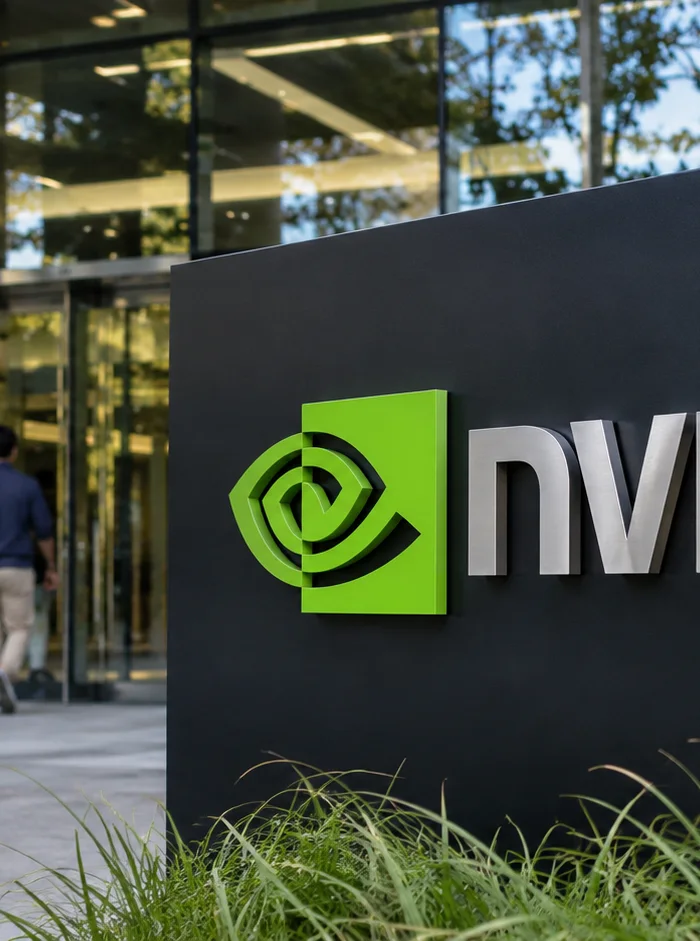
Nvidia created a board committee to oversee export controls as Washington tightened AI chip curbs on China. The panel puts national security policy, trade compliance and global risk management under direct director oversight before third-quarter earnings.
The company said the National Security and Export Control Oversight Committee will be chaired by director Suzanne Nora Johnson. Directors Stephen Neal and John Dabiri will also serve on the committee, which is expected to meet at least quarterly.
Nvidia puts controls under directors
Nvidia said the committee will oversee its national security and global trade compliance programs. It will work with independent legal, national security and trade compliance experts, giving the board a formal channel into areas that sit close to US technology policy.
The company's existing National Security Team and Global Trade Compliance Team will report to the new committee. For day-to-day operations, those teams will also report to interim CEO Colette Kress, according to the company.
The structure matters because export controls on advanced AI chips have become a central constraint on Nvidia's China business. Board-level oversight does not change the rules, but it gives directors a standing role in how the company manages compliance, product access and trade-related exposure.
Trump tightens China chip curbs
The governance change follows a new step by the Trump administration to further limit China's access to advanced AI chips from companies such as Nvidia. The restrictions add policy pressure to a company whose products sit at the center of the AI data-center buildout.
President Trump was heading to China for talks with President Xi Jinping as the chip restrictions were announced. A White House official said Commerce Secretary Howard Lutnick was among the officials joining Trump on the Asia trip.
The timing puts Nvidia between two forces: demand for its advanced processors and tighter US controls on where those chips can go. If enforcement becomes more restrictive, the company may have to rely more heavily on approved markets, compliant product designs and internal controls that satisfy regulators.
Earnings arrive with compliance questions
Nvidia is due to report third-quarter earnings after the market closes on Tuesday. The result will give investors a near-term view of demand, margins and management's outlook while the company adjusts its governance around national security and trade risk.
The source material says Nvidia has more than half a trillion dollars of commitments across chip-purchase backstops, data-center leases and equity investments, based on estimates it cited. That figure was described as only a fraction of the company's market capitalization, but the underlying estimates were not independently verified in the supplied material.
The main corporate question is whether the new committee becomes a procedural safeguard or a more active board instrument. If it focuses on documentation and quarterly review, the immediate effect may be stronger compliance records rather than a change in commercial strategy.
Scenarios for Nvidia and chipmakers
If US export controls remain tight and predictable, Nvidia can route more decisions through the committee, align sales with approved markets and reduce the risk of compliance disputes. The global macro effect would be a more managed split in AI chip access, while the wider sector may copy the governance model to reassure regulators.
If Washington expands restrictions further, Nvidia could face a narrower set of permissible China-related sales and a higher burden on legal and trade compliance teams. For the industry, the mechanism would be direct: more products, customers and jurisdictions would require review before shipment or support.
If talks between President Trump and President Xi soften the policy path, the committee would still leave Nvidia with a formal oversight system for future trade risk. The open question is whether policy stability, not demand, becomes the decisive variable for AI chipmakers exposed to both US regulation and Chinese demand.
More stories
- Cao faces Senate scrutiny over $32.5m-a-day Iran blockade estimate
- Sanders proposes $2,400 Social Security increase
- Trump administration plans vaccine-injury payments for doctors
- Airlines face FAA outage reset after nationwide shutdown
- FAA halts US departures after communications disruption
- Europe faces unity test as Trump revives Ukraine diplomacy
- Trump approval falls among parents in August survey data
- Trump campaigns in South Carolina as GOP defenses narrow
Latest news
- Congress clears 25-business-day holds for vulnerable investors
- Baird seeks 2 trade bills to ease Ethiopia-Eritrea tensions
- Aberdeen Royal Infirmary faces police inquiry call over 19 deaths
- Kenya women farmers out-earn men by 18% per hectare
- Indonesia seeks Google explanation for 19,372 YouTube removals
- San Antonio faces scrutiny over 50,000-hog farm approvals
- Anoop Lokkur seeks backers for $1.3m Bengaluru dark comedy
- Bariatric surgery group loses 28.2% after GLP-1 use