

Baird seeks 2 trade bills to ease Ethiopia-Eritrea tensions
The draft approach uses U.S. farm exports and mineral cooperation as incentives as Horn of Africa rivals trade accusations at the UN.
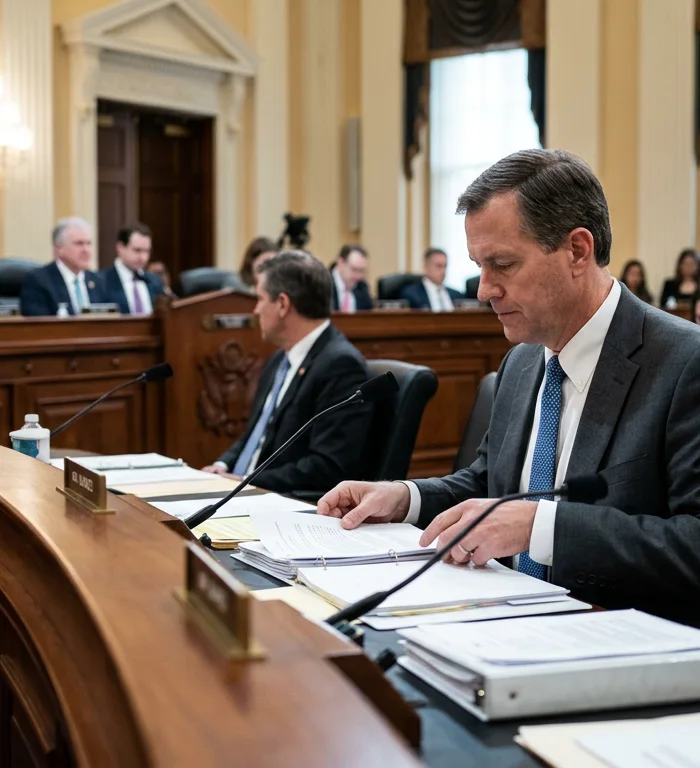
Rep. Jim Baird proposed two draft bills tying deeper U.S. trade with Ethiopia and Eritrea to steps toward peace, Addis Standard reported Nov. 20, citing The Hill.
The effort matters because it would test economic incentives as Ethiopia-Eritrea relations deteriorate after the 2018 peace framework ended two decades of hostility between the neighbours.
The proposed Ethiopia SPARK Act and Eritrea PILLAR Act would offer formal trade talks and broader access to U.S. agricultural goods, farm machinery, agricultural research and technical assistance, according to the report. Those benefits would depend on steps toward a durable peace.
The measures would cover U.S. exports including corn, soybeans, soybean meal and livestock feed. They also envisage U.S. support for developing mineral resources such as gold, silver, copper, zinc, iron ore, potash, cement, limestone, natural gas and oil, along with port infrastructure cooperation.
"African nations are primed for partnership," Baird said in a statement to The Hill. "The continent is rich in natural resources and home to a young, growing population eager for greater economic opportunity. In Indiana and across America's heartland, we have the agricultural expertise and technological know-how to help unlock that potential and build lasting economic partnerships."
Baird, a Republican from Indiana and a member of the House Foreign Affairs Subcommittee on Africa, framed the proposal as both a peace tool and a way to expand U.S. influence. The draft legislation also seeks to reduce China’s foothold in the Horn of Africa, according to the report.
The initiative comes as Ethiopia and Eritrea accuse each other of aggression at the United Nations. Their diplomatic rupture intensified on Oct. 1 after Ethiopia closed its embassy in Asmara and expelled Eritrean diplomats, a step Eritrea reciprocated, according to Addis Standard.
Reports of troop movements, drone strikes and artillery activity around Badme, a disputed border town, have sharpened concern about military escalation. Atlas360 reported in October that Ethiopian drone strikes against encroaching Eritrean troops had raised regional security risks, and that Eritrea had sought UN action over Ethiopia war allegations.
U.S. Secretary of State Marco Rubio has called for de-escalation and a return to the 2018 peace framework, according to Addis Standard. G7 foreign ministers and U.S. lawmakers have also urged renewed diplomacy, while Democratic members of the Senate Foreign Relations Committee warned Rubio in a Nov. 10 letter that the prospect of another war was high.
The bills remain at an early stage. Addis Standard reported that the full legislative texts had not been made publicly available through the Congress portal, and that their prospects depend on the legislative process and the level of support they attract in Congress.
The Hill report did not include the positions of the Ethiopian or Eritrean governments on Baird’s proposal, according to Addis Standard.
Source: Addis Standard report distributed by AllAfrica, Nov. 20; The Hill report, Nov. 19, as cited by Addis Standard
More stories
- Indonesia seeks Google explanation for 19,372 YouTube removals
- San Antonio faces scrutiny over 50,000-hog farm approvals
- ICJ holds Myanmar responsible for Rohingya genocide
- Pakistani authorities detained 130 Malaysians in scam-centre raid
- Panetta says Italy inflation threatens purchasing power
- Elon Musk says MAGA spending left him foolish after losses
- Burnham faces Brexit test over 55% EU return support
- Swedish agency opened 50 cases tied to Microsoft datacentres
Latest news
- Congress clears 25-business-day holds for vulnerable investors
- Aberdeen Royal Infirmary faces police inquiry call over 19 deaths
- Kenya women farmers out-earn men by 18% per hectare
- Anoop Lokkur seeks backers for $1.3m Bengaluru dark comedy
- Bariatric surgery group loses 28.2% after GLP-1 use
- TOFA boosts mouse energy use 18% while preserving muscle
- ICO probes NHS therapy notes accessible to up to 140,000 staff
- Cognition runs Devin Mac workspaces on EC2 in 6 AWS regions